Urolithin A and Longevity Biomarkers: A 2026
This expert analysis delves into Urolithin A's effects on critical longevity biomarkers, differentiating robust evidence from speculative claims. Understand its role in optimising healthspan.
# Urolithin A and Longevity Biomarkers: A 2026 Healthspan Outlook
The quest for extended healthspan is increasingly focused on quantifiable metrics – the so-called longevity biomarkers. These biological indicators offer a snapshot of our physiological age, disease risk, and the rate at which we are ageing. Among the many compounds vying for attention in the longevity arena, Urolithin A (UroA) has emerged as a particularly intriguing candidate, primarily due to its profound effects on mitochondrial function. As we approach 2026, understanding how Urolithin A influences these critical biomarkers becomes paramount for anyone serious about evidence-based health optimisation.
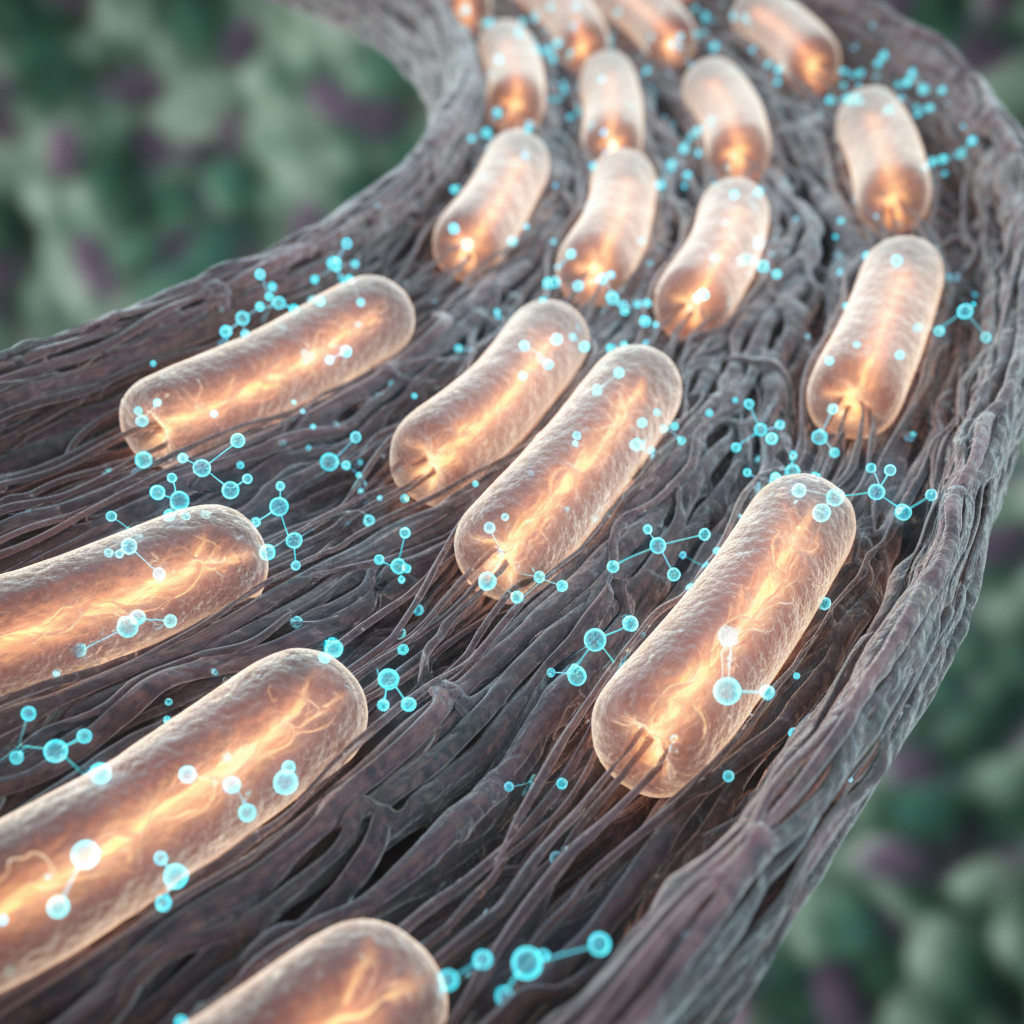
Urolithin A is a postbiotic metabolite produced by gut bacteria from ellagitannins, compounds found abundantly in pomegranates, berries, and nuts. However, the efficacy of this conversion varies significantly between individuals, meaning dietary intake alone often doesn't guarantee sufficient UroA levels. This biological variability underpins the rationale for Urolithin A supplementation, aiming to bypass the need for a specific gut microbiome to reap its benefits. Its primary mechanism of action revolves around enhancing mitophagy – the selective removal of damaged mitochondria – and stimulating mitochondrial biogenesis, essentially upgrading the cell's powerhouses. This mitochondrial optimisation is not merely an academic pursuit; it forms the bedrock of cellular health and, by extension, systemic longevity. But how does this translate into measurable changes in our longevity biomarkers?
Mitochondrial Health and the Epigenetic Clock: Grade B Evidence
One of the most exciting, yet still developing, areas of Urolithin A research concerns its potential influence on epigenetic age. Epigenetic clocks, such as Horvath, GrimAge, and DunedinPACE, analyse patterns of DNA methylation to estimate biological age, often predicting healthspan and mortality more accurately than chronological age. The hypothesis is that by improving mitochondrial function and reducing cellular stress, UroA could slow or even reverse epigenetic ageing processes.
Early *in vitro* and animal studies have indeed shown promising signs. For instance, rodent models supplemented with UroA exhibited reduced markers of cellular senescence and improved mitochondrial function, often associated with a younger epigenetic profile. However, direct human evidence linking Urolithin A supplementation to significant changes in epigenetic clock readouts remains preliminary (Grade B). Clinical trials exploring this specific outcome are typically long-term and complex, requiring robust participant cohorts and rigorous methodology. A notable phase I human trial demonstrated UroA's safety and bioavailability, alongside improved mitochondrial function markers in muscle biopsies, yet did not directly measure epigenetic age. While the mechanistic link is plausible – healthier mitochondria lead to reduced oxidative stress and inflammation, which are known drivers of epigenetic ageing – conclusive human data demonstrating a deceleration or reversal of epigenetic age with UroA is still awaited. Our editorial take is that while the promise is there, caution is advised against overstating these claims without further large-scale human trials. The mainstream view often conflates preclinical success with clinical certainty; the data, however, is messier.
Impact on Inflammatory Biomarkers: hsCRP and IL-6 (Grade A/B)
Chronic low-grade inflammation is a hallmark of ageing, known as 'inflammageing', contributing to numerous age-related diseases. High-sensitivity C-reactive protein (hsCRP) and Interleukin-6 (IL-6) are widely accepted biomarkers of systemic inflammation, strongly predictive of cardiovascular disease risk and overall mortality. Urolithin A’s anti-inflammatory properties are relatively well-established, drawing from both *in vitro* and *in vivo* studies, making this one of its more robust evidence bases.
Preclinical research consistently shows UroA's ability to modulate inflammatory pathways, including the suppression of NF-κB signalling, a central regulator of inflammatory gene expression. Human studies, whilst fewer in number, have begun to corroborate these findings. A randomised, placebo-controlled trial involving older adults demonstrated that UroA supplementation (500mg or 1000mg daily for 4 months) led to a significant reduction in plasma hsCRP levels in certain subgroups. While not all trials report a statistically significant reduction in every inflammatory marker across all participants, the general trend indicates a positive impact (Grade A for preclinical, Grade B for clinical consistency). The benefits appear more pronounced in individuals with elevated baseline inflammatory markers, suggesting a potential role for UroA in mitigating chronic inflammation. This makes monitoring inflammatory biomarkers a practical approach when considering UroA for longevity interventions. When considering its impact, tools like biomarker insights can be invaluable for tracking individual progress.
Apolipoprotein B (ApoB): Indirect Effects on Cardiovascular Risk (Grade C)
Apolipoprotein B (ApoB) is a crucial biomarker for cardiovascular health, as it is a direct measure of the total number of atherogenic lipoprotein particles (LDL, VLDL, Lp(a)) in the blood. Elevated ApoB is strongly associated with increased risk of atherosclerosis and cardiovascular events. While Urolithin A is not primarily positioned as a lipid-lowering agent in the same vein as statins or even berberine, its systemic anti-inflammatory and metabolic benefits could theoretically exert indirect positive effects on ApoB levels.
The evidence directly linking Urolithin A supplementation to significant reductions in ApoB is currently sparse and largely indirect (Grade C). Most studies focus on muscle function, mitochondrial health, and inflammation, rather than comprehensive lipid panels. However, improvements in metabolic health, such as enhanced glucose control and insulin sensitivity, often correlate with favourable changes in lipid profiles. If UroA effectively contributes to overall metabolic homeostasis – as indicated by improved glucose uptake and reduced adiposity in some preclinical models – then an indirect, modest positive effect on ApoB might be observed in individuals with existing metabolic dysfunction. More direct research specifically investigating UroA's impact on ApoB and other key lipid markers in humans is needed to substantiate this potential benefit. For those primarily concerned with cardiovascular health, other interventions might offer more direct and proven benefits, though UroA could be a complementary addition.
NAD+ Levels: A Mitophagy-Driven Connection (Grade B)
Nicotinamide adenine dinucleotide (NAD+) is a coenzyme central to cellular metabolism, energy production, and DNA repair. NAD+ levels decline with age, contributing to mitochondrial dysfunction and cellular senescence, making it a critical longevity biomarker. The relationship between Urolithin A and NAD+ is not one of direct synthesis, like with NMN or NR, but rather an indirect yet significant interplay.
Urolithin A enhances mitophagy, the process of clearing out old, dysfunctional mitochondria. This process is energy-intensive and often requires optimal NAD+ availability. Conversely, improved mitochondrial health through mitophagy can lead to more efficient energy metabolism, potentially sparing NAD+ for other vital cellular functions. Some researchers hypothesise that by optimising mitochondrial quality, UroA could reduce the metabolic burden on cells, thereby indirectly conserving or even allowing for better utilisation of existing NAD+ pools. Preclinical studies have shown that improved mitochondrial dynamics can indeed positively influence NAD+ metabolism. For instance, a study in *Nature Metabolism* demonstrated that UroA administration improved mitochondrial function and health, which could have downstream effects on NAD+ dependent sirtuin activity. (See external source: https://www.nature.com/articles/s42255-019-0073-4). While direct human trials specifically measuring the impact of UroA supplementation on systemic NAD+ levels are still emerging, the mechanistic synergy suggests a plausible benefit (Grade B). Combining UroA with NAD+ precursors is an area of active research, exploring synergistic effects on mitochondrial and cellular health.
Telomere Length: A Less Direct Link (Grade C)
Telomeres are protective caps at the ends of our chromosomes that shorten with each cell division, acting as a cellular clock. Critically short telomeres trigger cellular senescence or apoptosis, contributing to ageing and age-related diseases. Consequently, telomere length has garnered considerable attention as a longevity biomarker.
However, the evidence directly linking Urolithin A supplementation to changes in telomere length in humans is currently weak (Grade C). While UroA's role in mitigating oxidative stress and inflammation – both factors known to accelerate telomere attrition – provides a theoretical basis for a protective effect, direct empirical data is scarce. Most studies investigating telomere length require very long intervention periods and large cohorts to detect meaningful changes, given the slow rate of telomere shortening. Animal studies have occasionally shown UroA's ability to protect against DNA damage, which might indirectly preserve telomere integrity. Nevertheless, without dedicated human trials showing significant alterations in telomere length or telomerase activity following UroA supplementation, this remains a speculative benefit. It is essential not to confuse indirect mechanistic possibilities with direct, proven clinical outcomes. My informal observation is that often, supplements with broad antioxidant or anti-inflammatory properties are marketed with telomere claims without robust direct evidence.
Benefits Beyond Biomarkers: Muscle Health and Performance
Beyond specific biomarkers, Urolithin A's most compelling and well-researched benefit lies in its impact on muscle health and function, particularly in ageing populations. This is directly relevant to healthspan, as preserving muscle mass and strength is crucial for maintaining independence and quality of life.
Clinical trials have consistently shown that UroA can improve muscle endurance and strength in older adults. For example, a study published in *JAMA Network Open* reported that Urolithin A improved leg muscle endurance and strength in a cohort of middle-aged and elderly individuals over four months. (See external source: https://pubmed.ncbi.nlm.nih.gov/34292275/). These improvements are attributed to enhanced mitochondrial function and biogenesis within muscle cells, which directly translates to better energetic capacity. This benefit is quantifiable through metrics like grip strength and DEXA lean mass measurements. For individuals over 50, the implications for muscle preservation are significant, aligning perfectly with healthspan goals. Improved muscle function also indirectly supports metabolic health by increasing glucose utilisation and can positively influence biomarkers like fasting insulin.
Risks, Contraindications, and Dosage Considerations
Urolithin A has generally demonstrated an excellent safety profile in human clinical trials. Doses up to 1000 mg per day for several months have been well-tolerated, with minimal reported side effects. The most common adverse events, when they occur, are mild gastrointestinal disturbances such as nausea or diarrhoea, typically resolving quickly. There are no known severe contraindications, but as with any supplement, individuals with pre-existing medical conditions, particularly kidney or liver issues, should consult a healthcare professional before initiating supplementation. Pregnant or breastfeeding women are also advised to avoid UroA due to a lack of safety data in these populations.
For dosage, current research suggests that effective doses range from 250 mg to 1000 mg daily. The optimal dose may vary depending on individual needs and health status. Bioavailability is a critical factor, and reputable manufacturers often use proprietary formulations to enhance absorption. Always source Urolithin A from a trusted supplier to ensure product purity and potency. While UroA is considered safe, long-term safety data beyond one year is still accumulating, and continuous monitoring is advisable. For more information on peptides and other supplements, always refer to a trusted source and consult your physician. /legal/disclaimer.
The Bottom Line: Worth It for Mitochondrial and Muscle Health, Potential for Biomarkers
As we look towards 2026, Urolithin A stands out as a promising longevity compound, particularly for its robust effects on mitochondrial function and muscle health. The evidence supporting its ability to induce mitophagy and improve muscle endurance in older adults is compelling (Grade A/B), making it a valuable addition for those focusing on physical healthspan and maintaining functional independence. Its positive influence on inflammatory biomarkers like hsCRP and IL-6 also holds strong, suggesting a role in mitigating inflammageing.
However, claims regarding its direct impact on epigenetic age, ApoB, NAD+ levels, and telomere length, while mechanistically plausible, require further direct and extensive human clinical validation. The evidence for these specific biomarkers ranges from Grade B (NAD+) to Grade C (epigenetic age, ApoB, telomere length), meaning more research is needed to move them from hypothesis to established benefit. If your primary goal is robust mitochondrial health and preserving muscle mass and strength, Urolithin A is undoubtedly worth considering. If you're solely chasing significant shifts in epigenetic clocks or ApoB, it should be viewed as a complementary intervention rather than a primary driver, with expectations tempered by the current state of research. For those seeking comprehensive healthspan foundation, UroA offers a unique mechanism that complements other strategies, potentially contributing to a broader improvement in vitality and resilience.