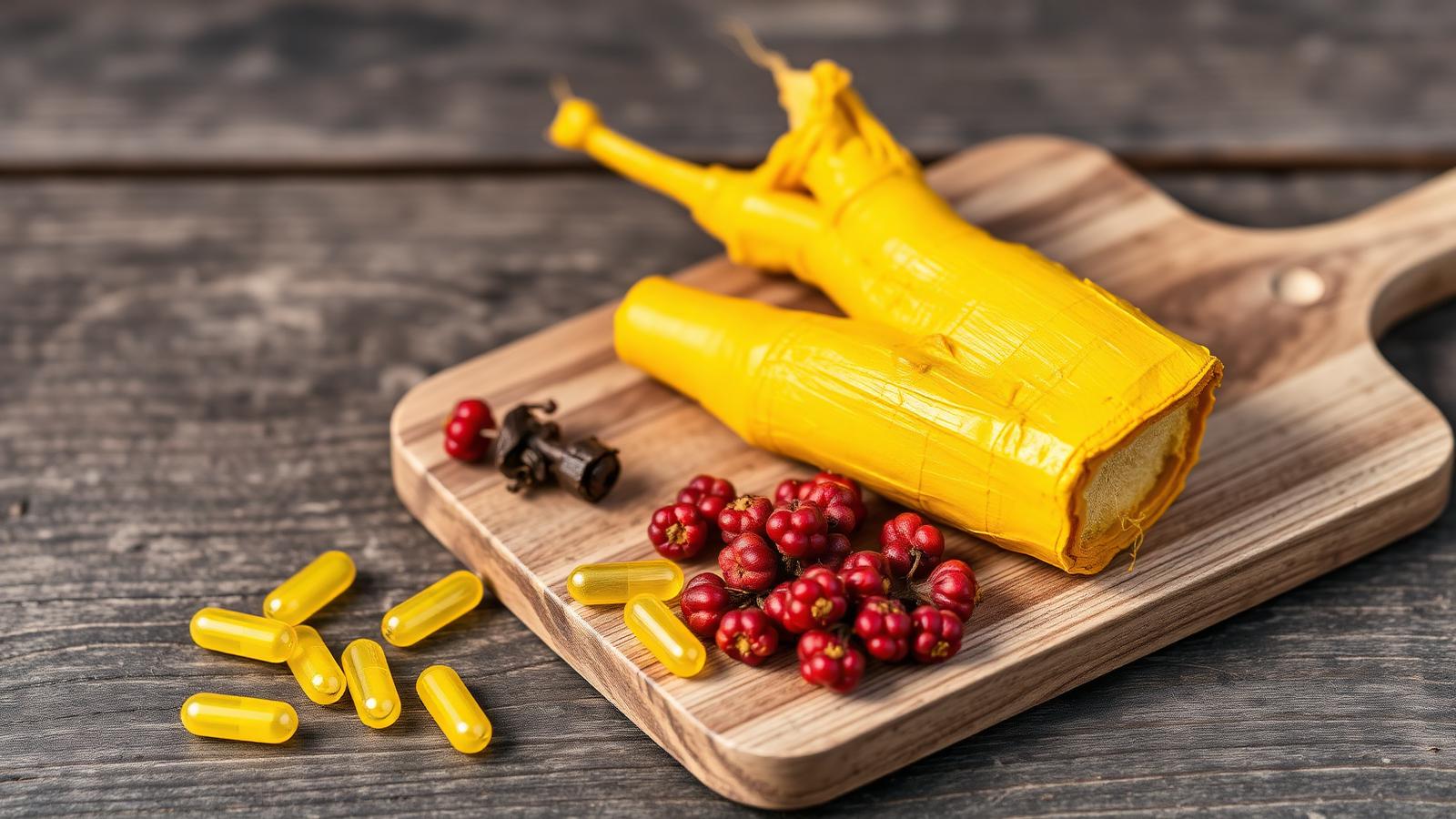
Berberine has been called nature's metformin. The reality is more nuanced — but for the right person, it is one of the strongest metabolic supplements available.
Berberine is a plant alkaloid found in goldenseal, barberry and Oregon grape. In the last decade it has gone from traditional medicine curiosity to one of the most-studied metabolic supplements available.
Why it matters for longevity
Berberine activates AMPK — the same energy-sensing pathway hit by metformin, fasting and exercise. AMPK activation improves glucose disposal, lowers lipogenesis and supports autophagy, all of which map directly to healthspan.
What the evidence shows
- Reductions in fasting glucose and HbA1c comparable to low-dose metformin in some trials
- LDL and triglyceride reductions of 15–25%
- Modest weight-loss support, especially in metabolically unhealthy adults
- Gut microbiome modulation that may underlie part of the effect
Practical dosing
500 mg, 2–3 times daily, taken with meals. Dihydroberberine has better bioavailability and can be dosed lower (100–200 mg twice daily). Cycle 8 weeks on, 2 weeks off if using long-term.
Stacking with the rest of the longevity toolkit
Berberine pairs well with [GLP-1 protocols](/blog/glp1-beyond-weight-loss-longevity), zone 2 cardio, and time-restricted eating. For users already on metformin, do not stack — pick one.
Caveats
Berberine inhibits CYP3A4 and can interact with many medications. GI side effects are common at first. Read our [disclaimer](/legal/disclaimer) and check with a clinician before starting.
Bottom line
Berberine is one of the few supplements with metformin-like effects and a strong safety record. For metabolically average adults, it is one of the highest-leverage metabolic supplements available today.