BPC-157 & Longevity Biomarkers: A 2026
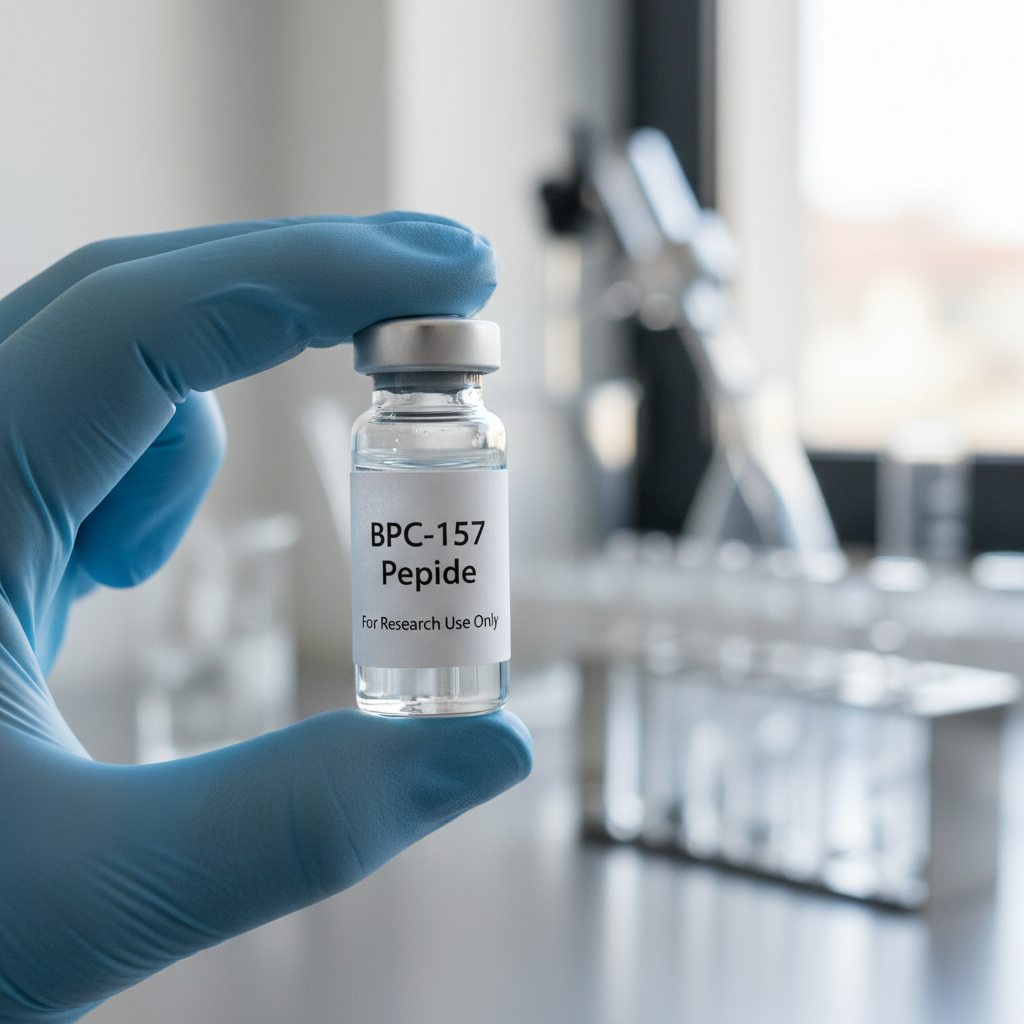
BPC-157 is often lauded for its regenerative properties. We scrutinise its influence on critical longevity biomarkers, separating robust data from hopeful speculation. Find out what the science truly says.
# BPC-157 & Longevity Biomarkers: A 2026 Perspective
BPC-157, a synthetic peptide derived from human gastric juice protein BPC, has garnered significant attention amidst the burgeoning interest in healthspan optimisation. Often referred to as 'Body Protection Compound', its regenerative capabilities, particularly concerning tissue repair and gut integrity, are frequently highlighted. However, for those of us deeply invested in evidence-first longevity, the true measure of a compound's utility lies in its measurable impact on validated biomarkers of ageing.
This article delves into the current understanding of BPC-157's effects on key longevity biomarkers, ranging from inflammatory markers like hs-CRP to more speculative areas such as telomere dynamics and epigenetic age. We'll assess the quality of evidence available in early 2024, projecting its potential relevance by 2026, and distinguish between well-supported mechanisms and areas requiring more rigorous human investigation. For a foundational understanding of the peptide itself, see our deep-dive into BPC-157.
BPC-157: A Brief Overview of Its Mechanisms
Before we dissect its biomarker influence, a quick recap of BPC-157's established mechanisms is helpful. This pentadecapeptide (15 amino acids long) is thought to exert its biological effects through several pathways. It's been shown to upregulate vascular endothelial growth factor receptor 2 (VEGFR2), a critical component in angiogenesis and tissue repair. This pro-angiogenic effect is quite central to its observed benefits in wound healing and recovery. It also modulates nitric oxide (NO) synthesis, which plays a complex role in vascular function, inflammation, and cellular protection.
Another significant aspect is its purported role in modulating growth hormone (GH) and insulin-like growth factor 1 (IGF-1) pathways, albeit primarily observed in animal models. The peptide also demonstrates significant anti-inflammatory properties and cytoprotective effects, particularly within the gastrointestinal tract, which aligns with its origin. These multifaceted actions contribute to its reputation as a broad-spectrum regenerative agent. Understanding these foundational mechanisms helps contextualise its potential impact on longevity biomarkers.
Inflammatory Biomarkers: hs-CRP and IL-6
Chronic low-grade inflammation is a hallmark of ageing, often dubbed 'inflammaging'. Markers like high-sensitivity C-reactive protein (hs-CRP) and interleukin-6 (IL-6) are widely accepted as predictors of age-related disease and mortality. Elevated levels indicate systemic inflammatory processes that can accelerate biological ageing. The question then arises: can BPC-157 meaningfully reduce these markers?
*Evidence Quality: Grade B (animal and *in vitro* strong, human preliminary)*
Preclinical studies, particularly in models of inflammatory bowel disease, arthritis, and various injuries, consistently show BPC-157's potent anti-inflammatory effects. It reduces the expression of pro-inflammatory cytokines and chemokines, including IL-6 and TNF-α. This inhibition of inflammation is often attributed to its ability to stabilise the mast cells and directly inhibit NF-κB activation – a central regulator of inflammatory responses. Human data, while sparser and often from small, uncontrolled studies, hints at similar benefits, particularly in individuals with gastrointestinal inflammation. To truly validate BPC-157's influence on these critical biomarkers in a longevity context, larger, randomised controlled trials in healthy older adults would be required. However, the existing evidence is compelling enough to suggest a plausible mechanism for improving systemic inflammation, a key element of Recovery Optimization.
IGF-1: A Double-Edged Sword in Longevity
Insulin-like Growth Factor 1 (IGF-1) occupies a curious position in longevity science. While it's vital for growth and tissue repair, consistently high levels, particularly in later life, are sometimes associated with increased cancer risk and accelerated ageing in some models. Conversely, severely low IGF-1 can lead to frailty and sarcopenia. Optimal IGF-1 lies in a balanced range. Does BPC-157 push this marker in a beneficial direction?
*Evidence Quality: Grade C (anecdotal/observational, animal context)*
Some preclinical studies suggest BPC-157 can influence the GH/IGF-1 axis, sometimes enhancing its effects in conditions of injury or growth impairment. The proposed mechanism often involves local effects at the site of tissue repair rather than a systemic upregulation. For instance, in models of muscle injury, BPC-157 has been observed to promote tissue regeneration, partially via mechanisms that might interact with local IGF-1 signalling. This isn't necessarily about altering circulating IGF-1 levels in healthy individuals for anti-ageing purposes. We lack robust human trials showing BPC-157 significantly or beneficially modulates systemic IGF-1 in a way directly relevant to longevity programmes. If you're specifically monitoring IGF-1 levels, a Biomarker insights tool can help track trends, but attributing changes solely to BPC-157 without direct evidence is premature. Our editorial take is that while BPC-157 may aid physical recovery, its systemic impact on IGF-1 for longevity remains speculative.
Epigenetic Ageing and Telomere Dynamics
This is perhaps the most exciting and speculative frontier for BPC-157 and longevity. Epigenetic clocks (like Horvath, GrimAge, DunedinPACE) measure biological age by analysing methylation patterns on DNA, often outperforming chronological age in predicting healthspan and lifespan. Telomere length, the caps at the end of our chromosomes, also correlates with cellular ageing.
*Evidence Quality: Grade D (purely theoretical/hypothetical)*
As of early 2024, there is *no robust scientific evidence* from human or even extensive animal studies directly demonstrating BPC-157's ability to reverse epigenetic age or significantly impact telomere length. While BPC-157's cytoprotective and anti-inflammatory properties *could* theoretically indirectly mitigate factors contributing to telomere attrition or epigenetic drift, this leap from mechanism to measurable effect on these complex biomarkers is substantial and entirely unproven. The mainstream view suggests BPC-157's primary role is regenerative repair. The data supporting its influence on epigenetic clocks or telomeres for longevity is, to be blunt, non-existent. Claims to the contrary should be met with extreme scepticism. The pathway to affecting these fundamental markers of ageing is typically far more complex, often involving global cellular metabolic shifts or direct interventions in telomere maintenance via telomerase activation, which BPC-157 is not currently known to do. This particular application is firmly in the realm of future research, not current application.
Other Longevity Metrics: ApoB, NAD+, and Musculoskeletal Health
While not directly influencing epigenetic markers, BPC-157's more immediate effects on tissue repair and inflammation could indirectly support healthspan by improving physical function and reducing morbidity. For example, its role in improving muscle and tendon healing might contribute to better Muscle Preservation 50+ outcomes over time.
There is no direct evidence suggesting BPC-157 influences ApoB (a strong indicator of cardiovascular risk) or systemic NAD+ levels (critical for mitochondrial function and repair, often targeted by supplements like NMN). Its primary benefits revolve around repair and inflammation, which are foundational to overall health but distinct from these specific metabolic pathways. However, indirectly, if BPC-157 aids in recovery from injuries, it allows individuals to maintain physical activity, which *does* positively impact a wide range of biomarkers, including potentially modest improvements in cardiovascular risk factors and overall metabolic health.
Regarding musculoskeletal health, the improvements in recovery from injuries and enhanced collagen synthesis observed with BPC-157 could lead to better long-term physical function. Biomarkers like grip strength and DEXA lean mass, if measured consistently, could potentially show indirect benefits from fewer injuries and faster return to training. This isn't a direct action on lean mass growth, like the effects seen with peptides such as CJC-1295 or Ipamorelin, but rather an enabling one. For those focused on physical resilience, BPC-157 offers a compelling argument for supporting recovery.
Risks, Contraindications, and Regulatory Status
Like any investigational peptide, BPC-157 comes with considerations regarding safety and legal status. In the UK, BPC-157 is not approved for human use and remains a research chemical. This designation means it has not undergone the rigorous safety and efficacy testing required by bodies like the MHRA (Medicines and Healthcare products Regulatory Agency). Its long-term safety profile in humans is largely unknown, and anecdotal reports must be treated with caution. Always consult your GP before considering any peptide use. This content is for informational purposes only and does not endorse the use of unapproved substances. Please refer to our /legal/disclaimer for more information.
Potential risks, based on limited human data and preclinical studies, include minor injection site reactions, and more severe but rare systemic effects cannot be entirely ruled out until robust human trials are conducted. There are no established contraindications from official bodies, but common sense dictates avoiding its use in pregnancy, lactation, or in individuals with active cancers due to its pro-angiogenic properties, which *could* theoretically fuel tumour growth, though this is a hypothetical concern based on mechanism rather than direct evidence.
Bottom Line: BPC-157 and Longevity Biomarkers by 2026
By 2026, the picture for BPC-157's direct impact on longevity biomarkers will likely remain nuanced. We anticipate further validation of its anti-inflammatory effects (on hs-CRP, IL-6) and its significant role in tissue repair, potentially solidifying its place in Recovery Optimization protocols. The evidence quality for these benefits is respectable (Grade B). For now, it's worth considering for targeted injury recovery, especially where chronic inflammation is a factor, but always under strict medical guidance given its regulatory status. My take is that BPC-157's strength lies in its reparative qualities, not as a direct modulator of fundamental ageing biomarkers. Our understanding of peptides like AOD-9604, or the GLP-1 agonists, points to different specific mechanisms, and BPC-157 is in a league of 'injury help'.
However, for more complex biomarkers like epigenetic age, telomere length, ApoB, or NAD+ levels, the evidence is simply not there (Grade D). It is highly unlikely that BPC-157 will be demonstrating direct, measurable positive influences on these markers by 2026. Therefore, skip BPC-157 if your primary goal is to directly reverse biological age according to epigenetic clocks or to significantly alter metabolic markers like ApoB or NAD+. Its value for longevity by 2026 will be in its well-demonstrated capacity to accelerate healing and reduce localised inflammation, thereby supporting physical resilience and preventing secondary complications that *could* negatively impact healthspan.