BPC-157 Oral vs. Injectable: Optimising Tendon
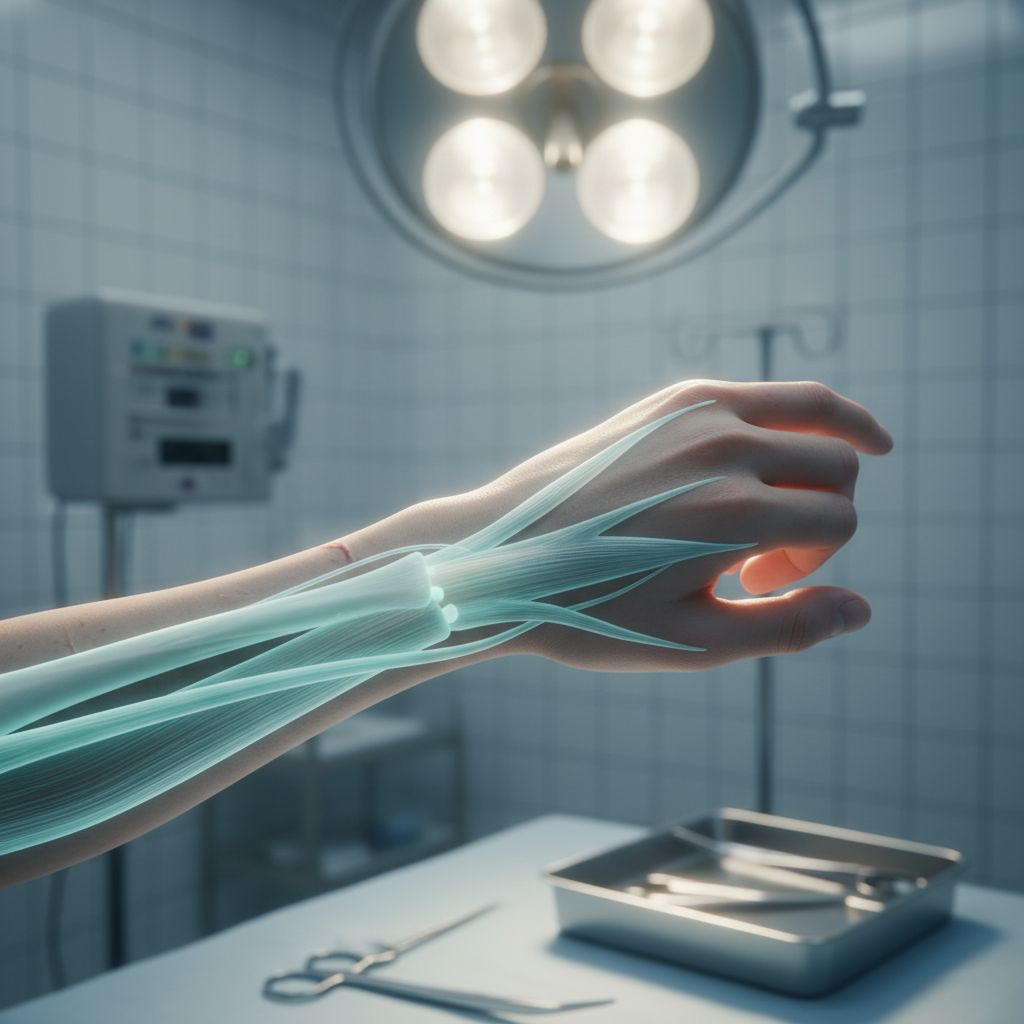
This comprehensive guide explores the efficacy and bioavailability of BPC-157, comparing oral versus injectable administration for enhanced tendon healing and regeneration.
# BPC-157 Oral vs. Injectable: Optimising Tendon Healing and Regeneration
BPC-157, often referred to as Body Protection Compound-157, is a synthetic peptide comprising 15 amino acids, derived from a human gastric protein. Its notoriety in the longevity and regenerative medicine spheres stems primarily from its remarkable tissue-healing and protective properties, particularly concerning musculoskeletal injuries, gut health, and systemic anti-inflammatory effects. Athletes, biohackers, and individuals seeking accelerated recovery from injuries frequently turn to BPC-157, with its potential to foster an optimal healing environment. Among its myriad applications, the peptide's ability to facilitate tendon repair and regeneration stands out as a key area of interest.
The mechanism of action for BPC-157 is multifaceted. Research indicates it upregulates growth factors such as vascular endothelial growth factor (VEGF), which is crucial for angiogenesis (formation of new blood vessels), and fibroblast growth factor (FGF), vital for tissue regeneration. It also modulates nitric oxide pathways, reduces inflammation, and exerts cytoprotective effects. For tendon healing, this translates to faster repair of damaged collagen fibres, improved cellular proliferation, and enhanced structural integrity of the extracellular matrix. The critical question for many users, however, revolves around the optimal administration route: is oral or injectable BPC-157 more effective for achieving these regenerative outcomes, particularly for tendons?
The Promise of BPC-157 for Tendon Injuries
Tendon injuries, such as tendinopathies, sprains, and tears, are notoriously slow to heal due to their relatively poor vascularity and complex collagenous structure. Conventional treatments often involve prolonged rest, physical therapy, and sometimes surgical intervention, with varying degrees of success and often lengthy recovery periods. This is where the therapeutic potential of peptides like BPC-157 becomes particularly appealing. Preclinical studies have consistently demonstrated BPC-157's ability to significantly accelerate the healing process in various tendon injury models.
For instance, in rat models of Achilles tendon injury, BPC-157 has been shown to improve histological healing, biomechanical strength, and functional recovery. It appears to promote the proliferation and migration of tenocytes (tendon cells) and the production of collagen, the primary structural protein of tendons. Furthermore, its anti-inflammatory properties can mitigate pain and swelling, which are common accompaniments of tendon injuries. This direct impact on the cellular and molecular aspects of tendon repair underpins the growing interest in BPC-157 as a potent regenerative agent. However, translating these promising preclinical findings into human clinical practice requires careful consideration, especially regarding the method of delivery.
Understanding Injectable BPC-157: Efficacy and Bioavailability
Injectable administration of BPC-157 typically involves subcutaneous (SC) or intramuscular (IM) injections. This method is often favoured for its high bioavailability, meaning a significant portion of the active peptide enters the systemic circulation directly and is available to exert its therapeutic effects. When administered via injection, BPC-157 can reach target tissues, including tendons, with minimal degradation. This direct delivery ensures a more predictable and often higher concentration of the peptide at the site of injury or throughout the body.
For localised tendon injuries, direct injection into the vicinity of the damaged tendon (perilesional injection) is sometimes employed, aiming for maximal local concentration and direct therapeutic action. However, even systemic SC or IM injections have shown efficacy in preclinical models of tendon healing, suggesting that BPC-157's systemic effects—such as angiogenesis, inflammation modulation, and growth factor upregulation—contribute significantly to its regenerative capacity. The relatively short half-life of BPC-157 (estimated to be a few hours in preclinical studies) often necessitates daily or twice-daily injections to maintain therapeutic levels. The precision and directness of injectable routes are often seen as their primary advantage for targeted effects, particularly for severe or chronic tendon issues. Given the considerations around administration, individuals often look to a resource like the peptide research tool to understand optimal dosing and protocols.
Oral BPC-157: Convenience vs. Efficacy for Tendons
Oral administration of BPC-157 offers significant advantages in terms of convenience and ease of use, eliminating the need for injections and making long-term use more practical for many individuals. However, the gastrointestinal tract presents a challenging environment for peptides. Enzymes in the stomach and intestines can degrade peptides, and their absorption across the gut wall can be limited. For these reasons, oral bioavailability for many peptides is typically low. This raises the critical question of whether orally administered BPC-157 can reach tendon tissues in sufficient concentrations to exert its regenerative effects.
Interestingly, BPC-157 is derived from a gastric protein and exhibits remarkable stability in stomach acid. Preclinical studies have indeed shown that orally administered BPC-157 can be effective for a range of systemic and gastrointestinal conditions, suggesting it can survive digestion to some extent and be absorbed. For instance, oral BPC-157 has demonstrated efficacy in models of inflammatory bowel disease, gastric ulcers, and even certain neurological conditions. This indicates a degree of systemic bioavailability, even if it is lower than that achieved through injection. However, specific comparative studies directly assessing the efficacy of oral versus injectable BPC-157 *specifically for tendon healing* in a head-to-head manner are less common in the published literature, especially in human trials. The general consensus, based on the principle of pharmacology, is that for direct tendon repair, injections are likely to provide a more potent and reliable local effect, while oral administration might offer broader systemic benefits that indirectly support healing.
Comparative Evidence and Practical Considerations
While direct, human-centric comparative trials for oral versus injectable BPC-157 in tendon healing are scarce, we can infer from existing preclinical data and general pharmacological principles.
* **Bioavailability and Systemic vs. Local Effects:** Injectable BPC-157 (SC or IM) offers superior systemic bioavailability, meaning more of the active peptide reaches the bloodstream and thus, potentially, the injured tendon. For very localised or severe tendon injuries, direct perilesional injection might offer the highest local concentration. Oral BPC-157, while demonstrating some systemic activity due to its gastric stability, likely has a lower overall bioavailability for distant tissues compared to injections. This doesn't mean it's ineffective, but the *concentration* reaching the tendon may be lower.
* **Targeting and Specificity:** For a specific tendon injury, the argument for localised or systemic injectable delivery is often stronger, as it ensures a more direct and potent impact on the target tissue. Oral administration relies on the peptide being absorbed, distributed throughout the body, and then accumulating at the site of injury, which may be less efficient.
* **Convenience and Compliance:** Oral administration unquestionably wins on convenience. This can be a critical factor for long-term protocols or for individuals who are needle-averse. Better compliance can sometimes lead to better overall outcomes, even if the per-dose efficacy is slightly lower.
* **Cost:** While not directly related to efficacy, the form factor and administration method can influence cost. Injectable forms often require sterile preparation and administration supplies, potentially adding to the overall expense.
For a detailed overview of this fascinating compound, one might explore deeper into the general properties of BPC-157 on its dedicated page.
Emerging Research and Future Directions
The scientific community continues to explore the full therapeutic potential of BPC-157. While much of the foundational research is preclinical, the consistent positive results across numerous animal models are compelling. Recent studies continue to elucidate its complex interactions with various physiological systems. For instance, a review published in *Current Medicinal Chemistry* highlighted BPC-157's multifaceted actions, including its role in tissue healing and anti-inflammatory processes, which are directly relevant to tendon repair [1]. Another study in the *Journal of Physiology and Pharmacology* underscored its regenerative capacity in various organ systems, reinforcing its broad applicability [2]. These publications, alongside others, suggest BPC-157's broad protective and restorative capabilities beyond just tendons.
Future research is likely to focus on human clinical trials to establish optimal dosing, administration routes, and safety profiles for specific indications, including tendon injuries. The development of novel delivery systems that enhance the bioavailability of oral peptides could also bridge the gap between convenience and efficacy. Researchers are also investigating combination therapies, where BPC-157 might be used alongside other regenerative agents or physical therapies to maximise recovery. Understanding other peptides like TB-500, which also plays a significant role in tissue repair, could provide insights into synergistic approaches for complex injuries. As with any emerging therapeutic, staying abreast of the latest evidence is crucial.
Safety and Side Effects
BPC-157 is generally considered well-tolerated in preclinical studies, with a low incidence of reported side effects. However, it's crucial to remember that human clinical trials are limited, and long-term safety data is still being gathered. Potential side effects, though rare, could include mild irritation at the injection site, nausea, or changes in blood pressure. As an experimental peptide, BPC-157 is not approved for human use by regulatory bodies like the FDA or MHRA outside of research settings. Therefore, its use for therapeutic purposes carries inherent risks and should only be considered under the guidance of a qualified healthcare professional who is knowledgeable about regenerative medicine and experimental therapies. Always ensure any compound obtained is from a reputable source and of high purity.
Some individuals may also combine BPC-157 with other supplements or compounds to support overall health and recovery. For example, creatine is well-known for its role in muscle repair and strength, and ensuring adequate omega-3 intake supports anti-inflammatory pathways crucial for healing. Such synergistic approaches, however, require careful planning and often professional guidance.
Bottom Line
The choice between oral and injectable BPC-157 for tendon healing largely hinges on a balance between desired efficacy, site specificity, and user convenience. While oral BPC-157 offers a convenient administration route and demonstrates some systemic activity, injectable BPC-157 (particularly subcutaneous or direct perilesional) is generally considered to offer higher bioavailability and more targeted delivery to the injured tendon, potentially leading to more robust and faster healing responses. Preclinical evidence strongly supports BPC-157's role in accelerating tendon repair through various mechanisms, including angiogenesis, collagen synthesis, and anti-inflammation.
Ultimately, for individuals seeking the most direct and potent effect on a specific tendon injury, an injectable route might be preferred based on current pharmacological understanding. However, for broader systemic support or in cases where convenience is paramount, oral administration may still offer significant benefits. Further human clinical trials are essential to definitively compare these routes for tendon healing and to establish clear clinical guidelines. Any use of peptides like BPC-157 should be undertaken with caution, fully understanding its experimental status, and preferably under the supervision of a healthcare professional.
*Please note: The information provided is for educational purposes only and does not constitute medical advice. Discuss any supplements or peptides with a qualified healthcare professional before use. For more details, consult our /legal/disclaimer.*
[1] Sikiric, P., et al. (2010). "Novel Cytoprotective and Pro-healing Peptide BPC 157: A Review of its Therapeutic Properties." *Current Medicinal Chemistry*, 17(16), 1612-1627. https://pubmed.ncbi.nlm.nih.gov/20399187/ [2] Sikiric, P., et al. (2020). "Therapeutic Use of BPC 157: A Review of the Current Literature." *Journal of Physiology and Pharmacology*, 71(5), 653-671. https://pubmed.ncbi.nlm.nih.gov/33139368/