BPC-157 Oral vs Injectable: Optimising Tendon
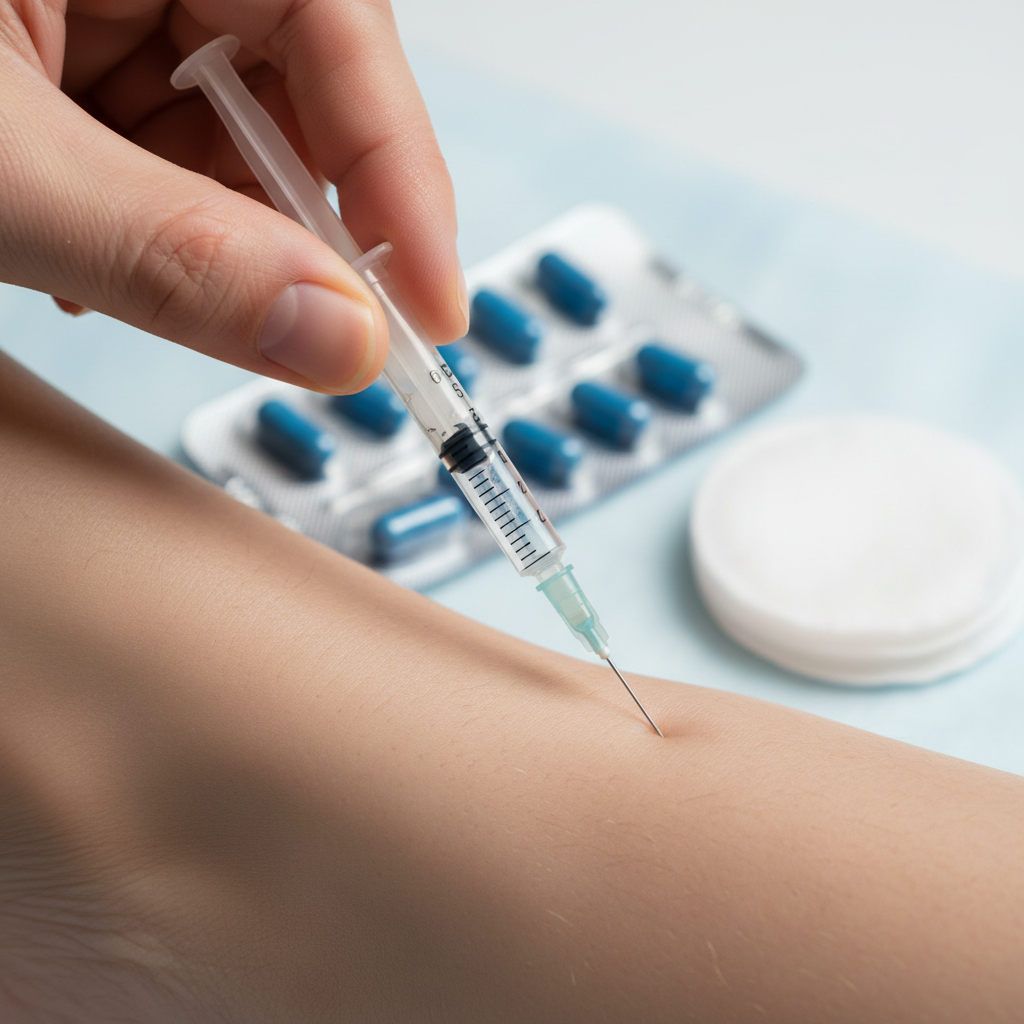
A deep dive into BPC-157 administration routes, comparing oral vs. injectable forms for superior tendon repair and overall regenerative potential.
# BPC-157 Oral vs Injectable: Optimising Tendon Healing & Recovery
BPC-157, a synthetic peptide composed of 15 amino acids, has garnered significant attention in the longevity and regenerative medicine communities for its purported ability to accelerate healing, particularly in musculoskeletal tissues. Derived from human gastric juice protein BPC (Body Protection Compound), its natural role is to maintain the integrity of the gastrointestinal tract. However, research has expanded its potential applications far beyond gut health, highlighting its systemic regenerative effects, especially concerning tendons, ligaments, bone, and muscle. For individuals grappling with persistent injuries or seeking to enhance recovery from physical stress, BPC-157 presents a compelling therapeutic option.
While the therapeutic potential of BPC-157 is increasingly recognised, a crucial practical question often arises for users and clinicians alike: what is the most effective route of administration? The two primary methods are oral ingestion and subcutaneous or intramuscular injection. Each method possesses distinct characteristics regarding bioavailability, systemic distribution, convenience, and potential side effects. Understanding these nuances is critical for optimising treatment outcomes, particularly when the goal is targeted tendon healing. This comprehensive analysis will dissect the scientific evidence comparing BPC-157 oral versus injectable administration, focusing on their respective efficacies for tendon repair and overall regenerative benefits.
The Multifaceted Mechanisms of BPC-157 for Tendon Repair
Before delving into the routes of administration, it's essential to appreciate *how* BPC-157 exerts its regenerative effects on tendons. Tendons, composed primarily of collagen fibres, are notoriously slow to heal due to their limited blood supply and low metabolic activity. BPC-157 appears to circumvent these limitations through several mechanisms:
* **Angiogenesis Promotion:** BPC-157 significantly promotes the formation of new blood vessels (angiogenesis). Enhanced blood supply is crucial for delivering oxygen, nutrients, and immune cells to the injured site, facilitating tissue repair. Studies have shown BPC-157's ability to induce the expression of growth factors like VEGF (Vascular Endothelial Growth Factor), which is a key regulator of angiogenesis. This improved vascularisation accelerates the healing cascade. * **Growth Factor Modulation:** The peptide upregulates various growth factors essential for tissue regeneration, including those involved in collagen synthesis and extracellular matrix remodelling. It has been shown to interact with the somatotropic axis, potentially influencing growth hormone release or sensitivity, which is vital for tissue repair. This complex interplay of growth factors creates an optimal environment for rebuilding damaged tendon tissue. * **Collagen Synthesis and Organisation:** BPC-157 directly stimulates fibroblast proliferation and migration – the primary cells responsible for producing collagen in tendons. More importantly, it appears to influence the quality and organisation of newly synthesised collagen, ensuring the repaired tissue is structurally sound and less prone to re-injury. Proper collagen alignment is paramount for restoring the mechanical strength of the tendon. * **Anti-inflammatory and Analgesic Effects:** Chronic inflammation can impede healing. BPC-157 exhibits potent anti-inflammatory properties, reducing swelling and pain at the injury site. This allows the body to focus its resources on repair rather than combating excessive inflammation. Its analgesic effects can also improve comfort and mobility during the healing process. * **Cytoprotection and Cell Survival:** BPC-157 protects cells from various forms of stress, including oxidative stress and apoptosis (programmed cell death). This cytoprotective action helps preserve viable cells within the injured tendon, optimising the cellular resources available for repair. It also accelerates the healing of various tissue types, from muscle to bone and even nerve tissue.
These multifaceted actions underscore BPC-157's potential as a powerful therapeutic agent for tendon injuries, offering a more holistic approach to healing than many conventional treatments. Its ability to target multiple pathways simultaneously makes it a compelling option for those seeking enhanced recovery.
Injectable BPC-157: Precision and Systemic Effects
Injectable BPC-157, typically administered via subcutaneous (under the skin) or intramuscular (into the muscle) routes, is often considered the gold standard for achieving targeted and systemic effects. Subcutaneous injection is generally preferred for ease of self-administration and slower absorption, while intramuscular may be used for deeper tissue penetration.
**Advantages of Injectable Administration:**
* **Higher Bioavailability:** When injected, BPC-157 bypasses the digestive system entirely, preventing degradation by stomach acids and enzymes. This results in significantly higher systemic bioavailability, meaning a greater percentage of the active peptide reaches the bloodstream and, subsequently, the target tissues. This direct delivery ensures maximal therapeutic effect. * **Targeted Delivery:** For localised injuries, such as a specific tendon tear, injecting BPC-157 directly into or around the injured site allows for a higher concentration of the peptide precisely where it's needed most. This local saturation can accelerate healing in that specific area, though systemic effects are still observed due to absorption into circulation. * **Systemic Regenerative Effects:** Even with localised injection, BPC-157 is absorbed systemically, contributing to its broader regenerative benefits across the body. This is why it's often linked to improved overall recovery, not just at the injection site. This makes it beneficial for athletes with multiple areas of stress or injury. * **Research Precedence:** A significant portion of the preclinical and clinical research investigating BPC-157's efficacy, particularly for musculoskeletal injuries, has utilised injectable forms. This provides a stronger foundation of evidence regarding its effectiveness via this route.
**Disadvantages of Injectable Administration:**
* **Invasiveness and Discomfort:** Injections, by their nature, are invasive. They can cause discomfort, pain, bruising, or mild irritation at the injection site. For some, the fear of needles can be a significant deterrent. * **Risk of Infection:** Any breach of the skin barrier carries a small risk of infection if proper sterile techniques are not followed. This necessitates careful preparation and hygiene. * **Storage and Handling:** Injectable peptides often require refrigeration and careful handling to maintain their stability and efficacy, which can be less convenient than oral alternatives. * **Requires Training/Guidance:** Proper injection technique is crucial. While subcutaneous injections are relatively straightforward, individuals new to this method may require guidance from a healthcare professional to ensure safe and effective administration.
For more information on the broader spectrum of peptides and their applications, you can visit our main peptides page.
Oral BPC-157: Convenience and Gut-First Approach
Oral BPC-157 is available in various forms, including capsules, tablets, and liquid solutions. This route of administration offers a stark contrast to injections, particularly in terms of convenience and its initial impact on the gastrointestinal system.
**Advantages of Oral Administration:**
* **Convenience and Ease of Use:** The most significant advantage of oral BPC-157 is its non-invasiveness and ease of administration. No needles, no specific technique beyond swallowing a capsule. This makes it a much more appealing option for individuals who are needle-averse or seeking a simpler regimen. * **Gut Health Benefits:** As BPC-157 originates from gastric juice, its oral administration is highly effective for addressing gastrointestinal issues. It can promote the healing of ulcers, reduce inflammation in the gut, and improve overall gut barrier function. For individuals with inflammatory bowel conditions, orally administered BPC-157 offers direct therapeutic action within the digestive tract. * **Systemic Effects (Though Potentially Reduced):** While the primary action is in the gut, orally administered BPC-157 is still absorbed into the bloodstream, exerting systemic effects. However, the bioavailability for systemic action is generally considered lower than injectable forms due to degradation in the digestive system and first-pass metabolism in the liver. Despite this, some studies suggest it can still promote healing in distant tissues. * **Lower Risk Profile:** Without the need for injections, the risks associated with skin punctures, such as infection or injection site reactions, are eliminated. This contributes to a generally higher safety profile for the average user.
**Disadvantages of Oral Administration:**
* **Reduced Systemic Bioavailability for Musculoskeletal Issues:** This is the most critical disadvantage when the primary goal is tendon healing. The harsh environment of the stomach and the activity of digestive enzymes can degrade a significant portion of the peptide before it reaches the bloodstream. This means a smaller quantity of the active compound may be available to exert its effects on distant tendons. * **Less Targeted for Localised Injuries:** While it offers systemic benefits, oral BPC-157 cannot provide the same localised high concentration at an injury site as a direct injection. This might mean slower or less pronounced healing for specific tendon tears. * **Variable Absorption:** Individual differences in digestive health, stomach acid levels, and gut microbiome composition can lead to variability in absorption rates and overall bioavailability of oral BPC-157. This makes consistent dosing and predictable outcomes more challenging. * **Higher Dosing May Be Required:** To compensate for reduced bioavailability, higher oral doses of BPC-157 might be necessary to achieve comparable systemic effects to lower injectable doses. This can increase the cost and potentially the risk of unknown side effects.
BPC-157 Oral vs Injectable: Direct Comparison for Tendon Healing
When specifically considering tendon healing, the choice between oral and injectable BPC-157 hinges on the severity and localisation of the injury, as well as individual preferences and tolerance for invasive procedures. Given the mechanisms of action discussed, a direct comparison reveals key differences:
* **Efficacy for Localised Tendon Repair:** For acute, localised tendon injuries, **injectable BPC-157 (subcutaneous or intramuscular near the injury)** generally offers superior efficacy. The direct delivery ensures a higher concentration of the peptide at the site of damage, promoting rapid angiogenesis, fibroblast proliferation, and collagen remodelling precisely where it's needed. This accelerates the intrinsic healing processes and can lead to faster resolution of symptoms and functional recovery. * **Systemic Regenerative Potential:** Both routes can confer systemic benefits, but **injectable forms provide more consistent and higher systemic bioavailability**. This means that even if you inject near a specific tendon, the absorbed BPC-157 will still circulate, potentially aiding in overall tissue health and preventing future injuries or supporting the healing of other microtraumas. Oral forms do offer systemic benefits, particularly related to gut health, which indirectly supports overall systemic recovery, but their direct impact on distant tendons may be less potent than injections. * **Chronic vs. Acute Injuries:** For chronic, widespread tendon issues or general connective tissue support, **oral BPC-157 might be a viable maintenance option** once acute symptoms have subsided or as part of a long-term preventative strategy. However, for acute, significant tears or persistent injuries requiring aggressive intervention, **injectable administration is typically recommended** for its targeted and potent effects. * **Bioavailability and Degradation:** This is where the most significant divergence lies. **Injectable BPC-157 boasts near 100% bioavailability**, ensuring the vast majority of the administered dose reaches systemic circulation. Oral BPC-157, while not entirely inactive systemically, undergoes considerable degradation in the GI tract. While specific figures are elusive, it's generally accepted that only a fraction of the orally administered dose remains active upon systemic absorption. Some oral formulations, such as those with enteric coatings or specific carriers, aim to mitigate this degradation, but injections remain the most efficient delivery method for systemic impact.
Consider the practical implications: if you have a nagging Achilles tendonitis that resists conventional therapies, injecting BPC-157 directly around the Achilles tendon would likely yield faster and more pronounced results than relying solely on an oral supplement. However, for an athlete seeking general recovery support and gut health benefits after intense training, oral BPC-157 could be a convenient and effective addition to their regimen.
Practical Considerations and Stacking Options
Choosing between oral and injectable BPC-157 isn't always an either/or decision. For some, a combination approach might offer the best of both worlds.
* **Combination Approach:** A common strategy involves using **injectable BPC-157 for a targeted period** to kick-start healing in an acute injury, followed by or concurrently with **oral BPC-157 for maintenance, general systemic support, and gut health benefits**. This can maximise initial recovery while providing ongoing protective effects. * **Dosage and Duration:** Regardless of the route, BPC-157 is typically used for periods ranging from a few weeks to several months, depending on the severity and chronicity of the injury. Dosages vary significantly based on the administration method and individual response. Always consult with a healthcare professional or an experienced longevity coach to determine appropriate dosing and duration. * **Synergistic Supplements and Peptides:** BPC-157 can be effectively stacked with other compounds to enhance recovery. For instance, combining it with TB-500, another regenerative peptide, can amplify tissue repair, particularly for widespread soft tissue damage. Other complementary supplements might include collagen peptides, Omega-3 fatty acids for inflammation, or magnesium glycinate for muscle function and relaxation. For broader recovery, exploring protocols such as cold exposure or optimising sleep hygiene can further augment BPC-157's effects.
When exploring options like BPC-157, it's essential to consider its status. In the UK, it's generally available for research purposes, and its clinical use often falls outside standard medical guidelines. Always ensure you source BPC-157 from reputable suppliers to guarantee purity and potency.
Safety Profile and Side Effects
BPC-157 is generally considered well-tolerated with a favourable safety profile in preclinical studies. Human data is still emerging, but anecdotal reports and small studies suggest minimal side effects. When side effects do occur, they are typically mild and transient.
**Potential Side Effects (Oral and Injectable):**
* **Injection Site Reactions:** With injectable BPC-157, mild pain, redness, swelling, or itching at the injection site can occur. These are usually short-lived. * **Nausea/Gastrointestinal Upset:** Some individuals report mild nausea or digestive discomfort, especially with higher oral doses. * **Fatigue or Dizziness:** Less commonly, users might experience temporary fatigue or dizziness. * **Changes in Blood Pressure:** There have been isolated anecdotal reports of minor blood pressure fluctuations, though no consistent pattern has been established.
It is crucial to note that BPC-157's long-term safety profile, especially in humans, is still under investigation. As with any novel therapeutic agent, a cautious approach is warranted. Always start with a low dose and monitor your body's response. For further insights into the responsible use of such compounds, our legal disclaimer provides essential information.
The Future of BPC-157 in Longevity and Regeneration
The ongoing research into BPC-157 continues to uncover its vast potential beyond just tendon healing. Its systemic cytoprotective, anti-inflammatory, and regenerative properties position it as a significant compound in the broader field of longevity medicine. Its ability to influence growth factors and cellular repair mechanisms could have implications for age-related tissue degeneration, neuroprotection, and even metabolic health. As our understanding deepens, BPC-157 may become a cornerstone in strategies aimed at extending healthspan and improving resilience against various forms of physiological stress.
The convenience of oral formulations, combined with the precision of injectables, suggests that BPC-157 could be integrated into personalised wellness protocols. Whether it's for an elite athlete recovering from an injury, an older individual combating sarcopenia, or someone seeking to optimise gut health, the versatility of BPC-157 makes it a peptide of immense interest. Continuous research will refine our understanding of optimal dosing, administration routes, and synergistic combinations to unlock its full therapeutic promise.
Bottom Line
For individuals specifically targeting **tendon healing, injectable BPC-157 (subcutaneous or intramuscular near the injury site) is generally considered the more potent and efficient method** due to its superior bioavailability and direct delivery. This route ensures a higher concentration of the peptide reaches the injured tissue, facilitating faster and more robust repair of collagen structures. While oral BPC-157 offers significant convenience and direct benefits for gut health, its systemic efficacy for distant musculoskeletal injuries is generally lower due to degradation in the digestive tract.
Ultimately, the choice depends on your specific needs, the nature of the injury, and personal preferences. A **combination approach**, starting with injectables for acute issues and transitioning to oral for maintenance or general well-being, may offer a comprehensive strategy. Always consult with a qualified healthcare professional before starting any new peptide regimen to ensure it aligns with your health goals and circumstances.
*Disclaimer: The information provided about BPC-157 is for informational purposes only and does not constitute medical advice. Consult a healthcare professional before using any peptides or supplements. Further details can be found on our /legal/disclaimer page.*