BPC-157 Oral vs. Injectable: Which is Better
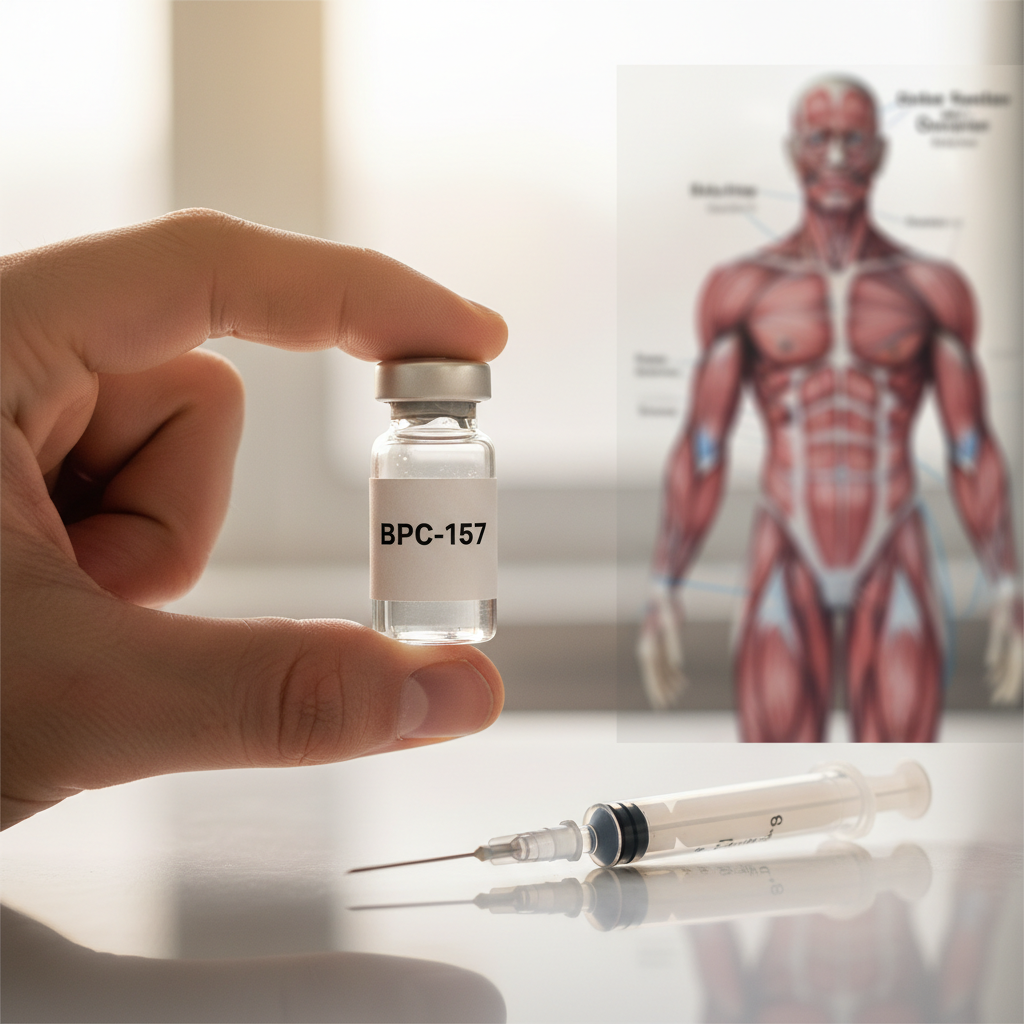
Comparing oral and injectable BPC-157 for tendon healing, this article dissects efficacy, bioavailability, and practical application to guide your choice.
# BPC-157 Oral vs. Injectable: Which is Better for Tendon Healing?
Tendon injuries, from acute ruptures to chronic tendinopathies, represent a significant burden on individuals and healthcare systems. These tough, fibrous cords are notoriously slow to heal due to their low metabolic rate and limited blood supply. In the quest for accelerated and more complete recovery, various therapeutic interventions have been explored, with peptides like BPC-157 emerging as particularly promising.
BPC-157, or Body Protection Compound-157, is a synthetic peptide comprising 15 amino acids derived from a natural gastric protein. It has garnered considerable interest in the longevity and regenerative medicine communities due to its purported cytoprotective, anti-inflammatory, and regenerative properties across various tissues, including tendons, muscles, and the gastrointestinal tract. While its mechanisms are multifaceted, it is believed to promote angiogenesis, enhance growth factor expression, and modulate inflammatory responses, all crucial for effective tissue repair. For a broader understanding of this fascinating compound, consider exploring our comprehensive guide on BPC-157.
However, a common dilemma faced by those considering BPC-157 for tendon healing is the optimal route of administration: oral versus injectable. Each method presents distinct advantages and disadvantages, primarily concerning bioavailability, systemic effects, and localised action. This article will meticulously dissect the scientific evidence and practical implications of both oral and injectable BPC-157 to help determine which approach might be superior for specific tendon healing scenarios.
Understanding BPC-157's Mechanisms in Tendon Repair
Before delving into the routes of administration, it's essential to appreciate how BPC-157 is thought to exert its healing effects on tendons. Research, primarily in animal models, suggests several key mechanisms:
- **Angiogenesis Promotion**: Tendons, especially injured ones, often suffer from poor blood supply. BPC-157 has been shown to induce the formation of new blood vessels, improving nutrient and oxygen delivery to the damaged site, which is vital for tissue repair. It achieves this by promoting the expression of growth factors like VEGF (Vascular Endothelial Growth Factor).
- **Collagen Synthesis and Organisation**: Tendons are primarily composed of collagen, particularly Type I. BPC-157 appears to stimulate fibroblast proliferation and migration, the cells responsible for producing collagen. More importantly, it may also help in the proper organisation of newly synthesised collagen fibres, leading to stronger and more functional scar tissue, or ideally, regenerated native tissue.
- **Anti-inflammatory Effects**: Chronic inflammation can hinder healing. BPC-157 exhibits potent anti-inflammatory actions, modulating pro-inflammatory cytokines and reducing oxidative stress. This creates a more favourable environment for repair.
- **Growth Factor Modulation**: Beyond VEGF, BPC-157 has been implicated in regulating other important growth factors, such as basic fibroblast growth factor (bFGF) and epidermal growth factor (EGF), which are integral to the repair cascade.
- **Cytoprotection**: It protects cells from damage and promotes cell survival, which is critical in the immediate aftermath of an injury.
These mechanisms collectively contribute to accelerated healing, reduced pain, and improved functional recovery. The challenge lies in ensuring that these beneficial effects are maximally delivered to the injured tendon tissue. This is where the debate between oral and injectable administration becomes paramount.
Injectable BPC-157: Precision and Potency
Injectable BPC-157 typically refers to subcutaneous (under the skin) or intramuscular administration, often in close proximity to the injury site. In some clinical settings, particularly for severe or surgically repaired injuries, local injections directly into or around the tendon might be considered by a medical professional.
### Advantages of Injectable BPC-157:
- **High Bioavailability**: When injected, BPC-157 bypasses the digestive system, ensuring that a significant portion of the peptide reaches systemic circulation relatively intact. Subcutaneous injection, while not 100% bioavailable, still offers a superior absorption rate compared to oral administration.
- **Localised Action (Targeted Delivery)**: Perhaps the most compelling advantage for tendon healing is the ability to administer BPC-157 directly or very close to the injured tendon. This localised delivery maximises the concentration of the peptide at the site of damage, theoretically leading to more potent and faster repair processes. For instance, in an Achilles tendon injury, an injection near the Achilles tendon could saturate the area with the healing peptide.
- **Faster Onset of Action**: Due to direct delivery and high bioavailability, the therapeutic effects may manifest more quickly, which is crucial in acute injury recovery.
- **Established Research Pathway**: Much of the early, compelling research on BPC-157's regenerative capabilities, particularly for musculoskeletal injuries, involved injectable routes in animal models. This provides a strong basis for its efficacy via this method.
### Disadvantages of Injectable BPC-157:
- **Invasiveness and Discomfort**: Injections can be uncomfortable, and repeated injections can lead to soreness or bruising at the injection site. There's also a psychological barrier for some individuals.
- **Risk of Infection**: Any break in the skin carries a small risk of local infection if proper sterile techniques are not followed.
- **Requires Proper Technique**: Self-administering injections requires careful attention to sterile preparation, correct needle depth, and site rotation to minimise side effects.
- **Systemic Exposure**: While often desired, widespread systemic exposure might lead to potential, though largely uncharacterised, effects on other bodily systems if used long-term or at very high doses.
Oral BPC-157: Convenience and Systemic Effects
Oral BPC-157 is typically available in capsule or liquid form. The key distinguishing feature is its passage through the gastrointestinal tract.
### Advantages of Oral BPC-157:
- **Convenience and Ease of Use**: Oral administration is by far the simplest and least invasive method, requiring no special equipment or training. This makes it a more accessible option for many.
- **Systemic Effects**: BPC-157 is known for its impressive gastrointestinal cytoprotective properties. When taken orally, it directly interacts with the gut lining, which can be beneficial for overall gut health, reducing inflammation, and potentially addressing issues like leaky gut syndrome. This systemic effect, while not directly targeting a tendon, can contribute to overall systemic health, which indirectly supports healing.
- **No Injection Site Risks**: Eliminates the discomfort, bruising, and infection risks associated with injections.
### Disadvantages of Oral BPC-157:
- **Reduced Bioavailability**: This is the primary concern with oral administration for localised injuries. Peptides are generally susceptible to degradation by stomach acids and digestive enzymes. While BPC-157 is known to be remarkably stable in the gut compared to many other peptides, some degree of degradation and reduced absorption is inevitable. This means a lower concentration of the active peptide ultimately reaches the bloodstream and, subsequently, the injured tendon.
- **Lower Localised Concentration**: Even if a portion of the oral BPC-157 makes it into systemic circulation, its ability to accumulate at a specific, distant tendon injury site to the same therapeutic concentrations as a local injection is questionable. The peptide would be distributed throughout the body.
- **Slower Onset/Potency for Localised Injury**: Due to reduced bioavailability and systemic distribution, the effects on a specific tendon injury might be slower to manifest or less potent compared to direct injection. This makes it a less ideal choice for acute, severe injuries requiring rapid, targeted intervention.
- **Dosing Ambiguity**: Due to variable absorption, establishing an effective oral dose that correlates with injectable doses for tendon healing is challenging and often requires higher dosages, which could increase cost.
BPC-157 Oral vs. Injectable: Which is Best for Tendon Healing?
The choice between oral and injectable BPC-157 for tendon healing hinges largely on the nature of the injury, desired effects, and individual preferences.
- **For Acute, Severe, or Localised Tendon Injuries (e.g., partial tears, specific tendinopathies)**: **Injectable BPC-157 (subcutaneous or local)** is generally considered superior. The ability to deliver a high concentration of the peptide directly to the injured site maximises its regenerative and anti-inflammatory effects where they are most needed. This offers the best chance for accelerated and more complete healing. Many protocols involving peptides for specific musculoskeletal issues lean towards injection for this reason.
- **For Chronic, Widespread Tendinopathy, or as a Systemic Support**: **Oral BPC-157** may be a viable option. While less potent for a specific local injury, its systemic anti-inflammatory and cytoprotective effects can still contribute to an overall healing environment. If there are also concurrent gut health issues, oral BPC-157 offers dual benefits. It could also serve as a maintenance dose following an initial injectable course or for less severe, diffuse issues.
- **For Post-Surgical Recovery (Tendon Repair)**: The immediate post-surgical period often involves significant inflammation and a need for robust tissue remodelling. In this scenario, **injectable BPC-157**, perhaps in conjunction with other regenerative strategies, would likely provide more targeted and effective support for the healing tendon. Research, such as studies on the use of growth factors in tendon repair (e.g., PubMed ID 31929312), often highlights the importance of localised delivery.
- **Bridging the Gap**: Some individuals might opt for a combination approach: starting with injectable BPC-157 for a few weeks to kickstart the healing process and then transitioning to oral BPC-157 for a longer, supportive phase. This could offer the best of both worlds, leveraging the precision of injections with the convenience of oral administration.
It's important to note that much of the compelling data for BPC-157, particularly concerning musculoskeletal healing, comes from animal studies. While promising, human trials are still emerging. The application of BPC-157 should always be undertaken with caution and ideally under medical supervision.
Practical Considerations and Safety
When considering BPC-157, regardless of the route of administration, several practical and safety aspects must be addressed:
- **Source and Purity**: The quality and purity of BPC-157 are paramount. Due to its status as a research chemical, it's crucial to source from reputable suppliers who provide third-party testing for purity and concentration. Contaminated or mislabelled products can be ineffective or, worse, harmful.
- **Dosing**: Typical injectable doses for musculoskeletal repair range from 200-500 mcg per day. Oral doses are often higher, sometimes 500-1000 mcg or more, to account for reduced bioavailability. However, precise human dosing guidelines are not yet established, and these are often based on anecdotal reports and extrapolation from animal studies.
- **Duration of Use**: Treatment duration for tendon injuries can range from a few weeks to several months, depending on the severity and chronicity of the injury. Long-term safety data in humans is limited.
- **Sterile Technique (for injectables)**: If opting for injections, strict adherence to sterile technique is essential to prevent infections. This includes washing hands, cleaning the injection site with an alcohol swab, and using new, sterile needles and syringes for each injection.
- **Storage**: BPC-157 typically comes as a lyophilised (freeze-dried) powder and needs to be reconstituted with bacteriostatic water. Once reconstituted, it should be stored in a refrigerator and has a limited shelf life (usually a few weeks to a month).
- **Other Regenerative Strategies**: BPC-157 is often used as part of a broader regenerative strategy. This might include resistance training to strengthen surrounding muscles, optimised nutrition, adequate recovery & sleep, and other targeted therapies like physical therapy or sometimes even other peptides like TB-500 which synergises with BPC-157 for tissue repair.
The Role of Systemic Health in Tendon Healing
Beyond the localised action of BPC-157, it's crucial to acknowledge the pervasive impact of systemic health on tendon recovery. Tendon health isn't isolated; it's intricately linked to metabolic health, inflammatory status, and nutrient availability. For instance, individuals with compromised metabolic health might experience slower and less efficient healing processes. Chronic inflammation, driven by poor diet or lifestyle factors, can also impede repair.
While injectable BPC-157 targets the injury directly, addressing underlying systemic issues can create a more conducive environment for healing. Oral BPC-157, with its noted gut-healing and systemic anti-inflammatory properties, could contribute to this broader health optimisation, indirectly supporting tendon repair. Think of it as preparing the soil before planting the seeds. Supplementation with compounds like creatine or collagen can also provide structural support and enhance the anabolic environment necessary for tendon regeneration.
Furthermore, factors like sufficient intake of omega-3 fatty acids for their anti-inflammatory effects, and adequate vitamin D for bone and connective tissue health, are fundamental. Therefore, while the route of BPC-157 delivery is critical, it should be viewed within the larger context of comprehensive health and recovery strategies. Consulting resources that focus on overall healthspan, such as our blog index on Longevity Stack, can provide a broader perspective on optimising healing and well-being.
The Future of BPC-157 Research
The ongoing research into BPC-157 is exciting, with studies exploring its potential in various clinical applications beyond musculoskeletal repair, including neurological conditions, organ damage, and inflammatory bowel diseases. As more human clinical trials are conducted, we anticipate a clearer understanding of optimal dosing, duration, and routes of administration for specific conditions. The development of advanced delivery systems that might enhance the bioavailability of oral BPC-157 or provide sustained local release could further revolutionise its use.
For those interested in the cutting-edge of regenerative medicine and performance enhancement, peptides like BPC-157 represent a significant area of interest. However, it's a rapidly evolving field, and staying informed through peer-reviewed research, such as studies found on databases like Nature.com, is crucial.
Bottom line
For tendon healing, the choice between oral and injectable BPC-157 largely depends on the specific injury and desired outcomes. Injectable BPC-157, particularly subcutaneous or local administration, offers superior bioavailability and highly targeted delivery, making it the preferred method for acute, severe, or very localised tendon injuries where maximal therapeutic concentration at the injury site is paramount. This approach is generally expected to yield faster and more potent regenerative effects.
Oral BPC-157, while more convenient and beneficial for systemic gut health and general anti-inflammatory support, likely provides a less concentrated and thus less potent localised effect on specific tendon injuries. It may be suitable for chronic, widespread issues, as a supportive measure after an injectable course, or for individuals prioritising ease of use and systemic benefits over intense local action. Always consult a healthcare professional before starting any new treatment regimen, especially concerning research compounds.
*Please note: This article discusses research compounds. Information provided is for educational purposes only and is not medical advice. Consult a healthcare professional before making any health decisions. See our full disclaimer at [/legal/disclaimer]*.