BPC-157 Stacking Strategies for 2026: Synergies
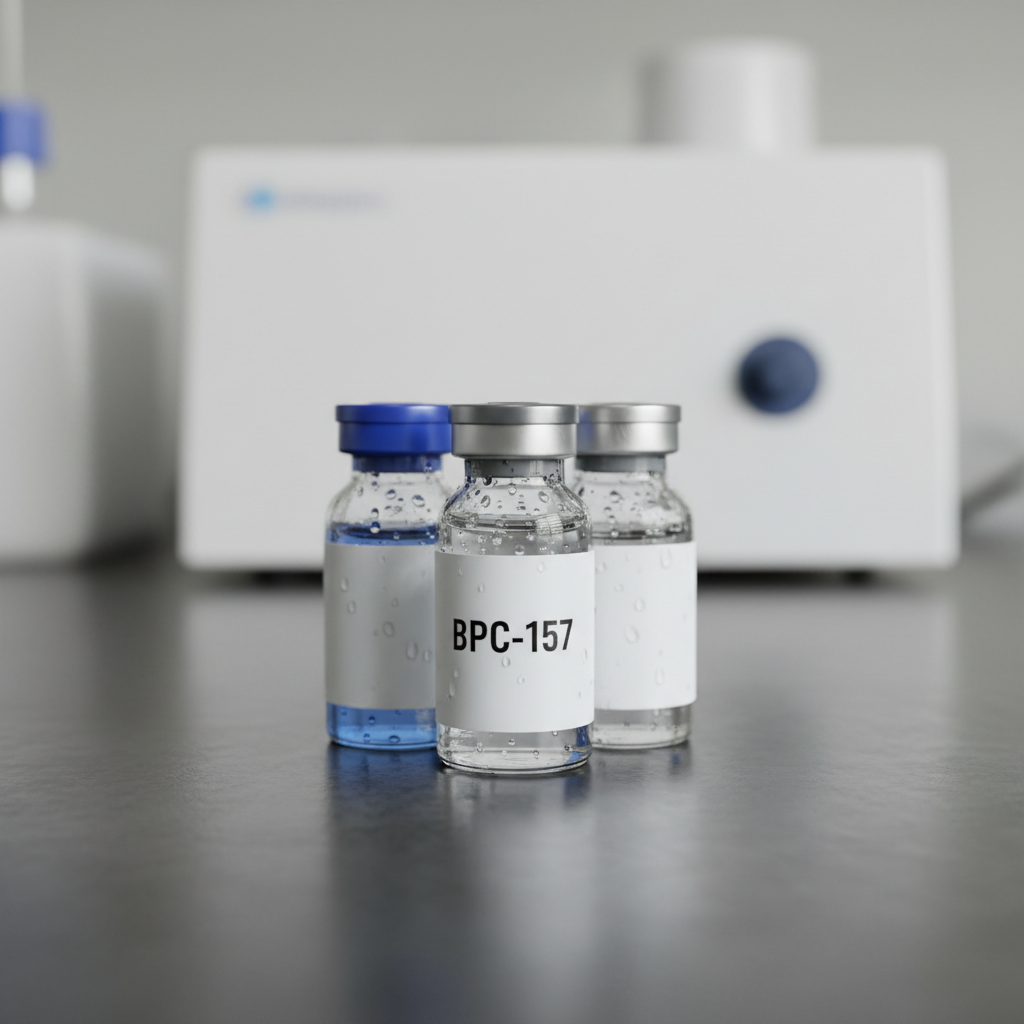
Exploring BPC-157 stacking for maximal therapeutic benefit. Learn which compounds pair best, why, and how to safely dose for recovery, gut integrity, and more.
# BPC-157 Stacking Strategies for 2026: Synergies Explored
BPC-157, a pentadecapeptide derived from human gastric juice, has garnered significant attention in the longevity and biohacking communities for its remarkable regenerative capabilities. Often dubbed 'Body Protection Compound', its primary appeal lies in its multifaceted mechanism of action, which includes promoting angiogenesis, enhancing collagen synthesis, and modulating various growth factors. While effective on its own, a nuanced understanding of how BPC-157 interacts with other compounds can elevate its therapeutic potential, creating synergistic effects that target specific health goals more comprehensively. This article examines evidence-backed stacking strategies for BPC-157, focusing on mechanism-based rationale, dosing considerations, and potential pitfalls as we look towards 2026.
BPC-157's core mechanism revolves around its ability to stabilise the extracellular matrix and facilitate tissue repair. It upregulates vascular endothelial growth factor receptor 2 (VEGFR2), crucial for blood vessel formation, and modulates nitric oxide (NO) synthesis, which impacts blood flow and inflammation. Furthermore, it accelerates fibroblast migration, essential for wound healing, and has been shown to counteract various forms of toxicity, including NSAID-induced gut damage. This broad spectrum of action makes it a versatile candidate for synergistic combinations. Understanding these foundational mechanisms is key to developing effective stacks. For instance, if BPC-157 enhances angiogenesis, combining it with compounds that support vascular health could logically amplify benefits. Our editorial take, having observed various anecdotal reports and preliminary animal studies, suggests BPC-157 is a foundational repair agent, much like a skilled contractor repairing structural damage before interior decorators (other compounds) come in.
Unpacking the Evidence: Quality and Context
The vast majority of evidence for BPC-157, particularly concerning its broader applications and stacking, comes from *in vitro* studies and animal models. While promising, this constitutes Grade C evidence when extrapolated to humans. Human trials are limited, primarily focusing on safety and specific indications, rather than the broad regenerative claims or intricate stacking protocols often discussed in enthusiast circles. This necessitates a cautious approach. When we discuss synergy, we're largely hypothesising based on mechanistic understanding and observed effects in preclinical settings. For example, evidence of BPC-157 promoting fibroblast growth in rats (pubmed.ncbi.nlm.nih.gov/11756202/) is compelling, but direct human evidence for synergistic effects with other growth factors is scarce. This isn't to say stacking is without merit, but rather to underscore the importance of individual monitoring and careful application. Track markers like hs-CRP to monitor inflammation, or DEXA lean mass if muscle repair is the goal, through tools like our Biomarker insights tool to gauge effectiveness.
Stacking for Enhanced Recovery and Injury Repair
One of the most popular reasons individuals consider BPC-157 is for injury recovery and general tissue repair. When aiming to accelerate healing, combining BPC-157 with compounds that also support connective tissue, reduce inflammation, or boost growth hormone output can create powerful synergies. A prime candidate for stacking is TB-500. Both peptides are celebrated for their regenerative properties, but their mechanisms differ. BPC-157 is known for local tissue repair and angiogenesis, while TB-500 (thymosin beta-4) promotes cell migration, differentiation, and tissue remodelling, particularly impacting actin, a protein essential for cell structure and movement. This makes them highly complementary; BPC-157 lays the groundwork for repair, while TB-500 helps organise and complete it. Dosing often involves co-administration. A typical BPC-157 dose might be 250mcg once or twice daily, combined with TB-500 at 2-5mg weekly, often split into two doses. Anecdotally, many report faster recovery from soft tissue injuries when using this stack, potentially improving Recovery Optimization.
Another valuable addition to a recovery stack is creatine. While not a peptide, creatine monohydrate is a well-researched supplement known to enhance ATP production, supporting cellular energy during the repair process and improving muscle strength and recovery post-exercise. Its synergy with BPC-157 is indirect but logical: BPC-157 facilitates the biological pathways for repair, while creatine ensures the energetic demands of this process are met. For individuals over 50 focusing on muscle repair and Muscle Preservation 50+, this combination is particularly appealing. A standard creatine dose is 3-5g daily. Always remember to consult a healthcare professional before initiating any peptide or supplement regimen, especially when combining multiple compounds. You can find more information on peptides and their uses via our peptides section, but always refer to our /legal/disclaimer when considering their use.
Synergies for Gut Health and Inflammation
BPC-157's origins in gastric juice naturally lead to its strong association with gut health. It has demonstrated significant efficacy in healing various forms of gastrointestinal damage, from ulcers to inflammatory bowel conditions. When stacking for gut integrity, the goal is often to repair the gut lining, reduce systemic inflammation, and rebalance the gut microbiome. A compelling partner for BPC-157 in this arena is spermidine. Spermidine is a polyamine that induces autophagy, the body's cellular recycling process, which is critical for maintaining healthy gut cell function and reducing inflammation. While BPC-157 directly repairs tissues, spermidine helps maintain cellular homeostasis and resilience within the gut. Another beneficial addition can be omega-3 fatty acids, particularly EPA and DHA, known for their potent anti-inflammatory properties. Reducing inflammation is a key step in allowing BPC-157's repair mechanisms to function optimally.
Dosing for gut health stacks needs careful consideration. BPC-157 typically shines with lower, localised doses when targeting specific gut issues, though systemic dosing is also common. For example, 250mcg BPC-157 once daily, combined with 1-2mg spermidine daily and 2-4g of high-quality omega-3s, could form a comprehensive gut-support stack. It's important to monitor symptoms and potentially track inflammatory biomarkers like hs-CRP to assess the stack's effectiveness. The mainstream view often focuses solely on probiotics for gut health; the data, however, is messier. While probiotics have their place, direct tissue repair agents like BPC-157 and cellular optimisers like spermidine offer a deeper, more structural approach to gut restoration.
Avoiding Antagonism and Unnecessary Combinations
Not all combinations are synergistic; some may be redundant or even antagonistic. It's crucial to understand the mechanisms of action to avoid wasting resources or, worse, causing unintended side effects. For instance, stacking BPC-157 with another peptide that performs the exact same function with an identical mechanism might be redundant rather than synergistic. There are no widely documented antagonistic interactions with BPC-157, which speaks to its generally favourable safety profile in preclinical studies. However, the lack of extensive human data means caution is always warranted. High doses of multiple, potent compounds can overwhelm the body's systems, making it difficult to isolate the effects of individual components.
When considering a stack, always ask: *what specific, distinct mechanism does each component bring to the table?* If there's significant overlap without clear additive or multiplicative effects, simplify the stack. A useful approach is to introduce one new compound at a time, allowing you to observe its individual effects before adding another. This systematic method helps in attributing benefits and identifying potential side effects. For example, while some might consider stacking BPC-157 with growth hormone secretagogues like CJC-1295 or Ipamorelin for overall repair, the direct synergy is less clear than with TB-500. While growth hormone promotes general healing, BPC-157's direct angiogenic and fibroblast-promoting effects are more targeted. The benefit might be additive, but not necessarily synergistic in the same way as BPC-157 and TB-500.
Bottom Line: Strategic Stacking is Worth Considering
For those seeking to maximise BPC-157's therapeutic potential, strategic stacking is worth considering, but only with a clear, evidence-informed rationale. If your goal is accelerated recovery from injuries, pairing BPC-157 with TB-500 and creatine offers a compelling, mechanistically sound stack. If gut healing and inflammation reduction are priorities, BPC-157 alongside spermidine and omega-3s presents a robust approach. Always start with individual components to understand their effects, then introduce additional compounds one by one. The current scientific landscape (Grade C for human stacking) dictates a degree of experimentation and meticulous self-monitoring. Track key biomarkers such as IGF-1 (for growth hormone axis), HRV (7-day avg), and Resting HR to assess overall physiological impact. Avoid stacking for the sake of it; instead, focus on clear, complementary mechanisms to achieve targeted health outcomes. It's about precision, not proliferation, especially as we approach 2026 and hopefully, more robust human data.