Is a Continuous Glucose Monitor for
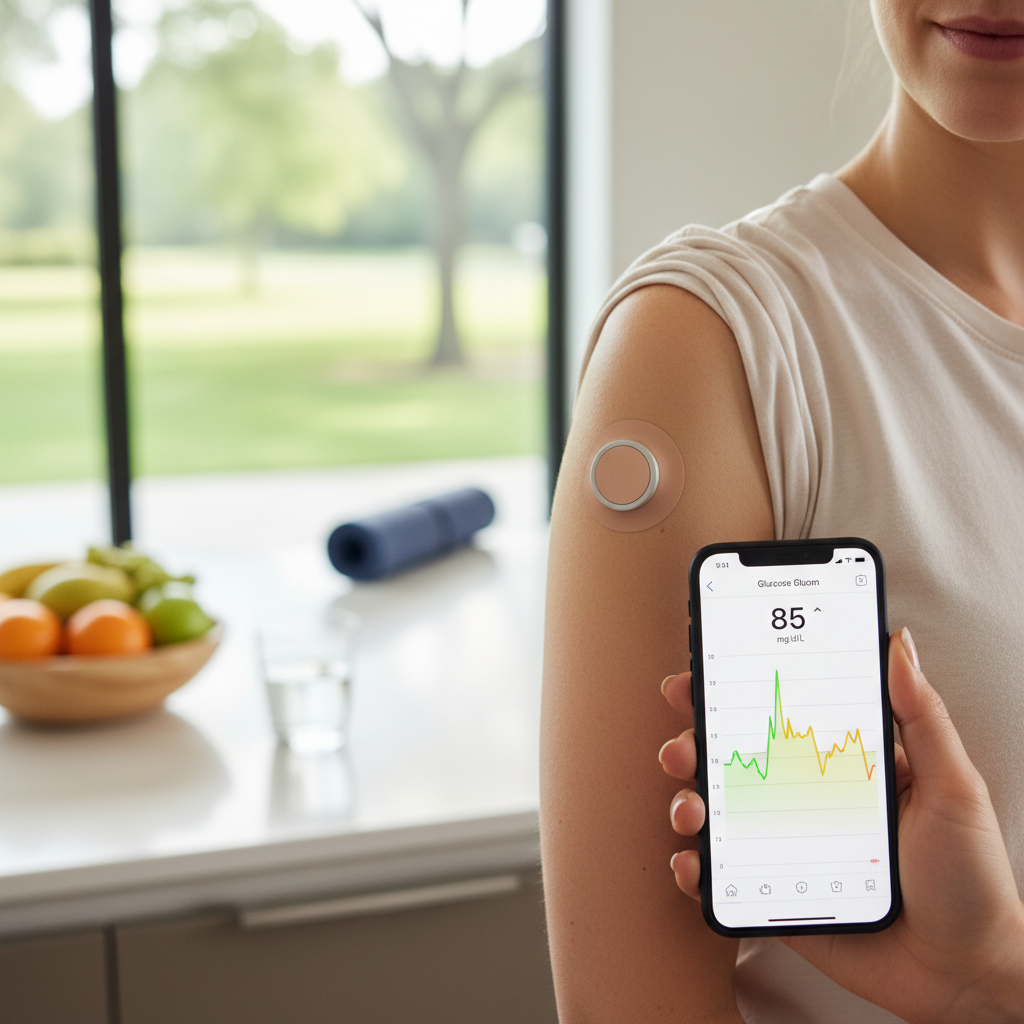
Explore the utility of Continuous Glucose Monitors (CGMs) for non-diabetics, assessing their benefits for metabolic health and personalised nutrition.
# Is a Continuous Glucose Monitor for Non-Diabetics Worth It?
In the pursuit of enhanced healthspan and peak physiological function, individuals are increasingly turning to advanced biometric data. Among the most popular and insightful tools emerging from this trend is the Continuous Glucose Monitor (CGM). Once exclusively reserved for managing diabetes, CGMs are now being adopted by a growing number of non-diabetics, from elite athletes to longevity enthusiasts. But for those without a diagnosed metabolic condition, the question remains: is a continuous glucose monitor for non-diabetics worth it? This comprehensive guide delves into the evidence, potential benefits, and practical considerations.
The Rising Interest in Glucose Beyond Diabetes
For decades, glucose monitoring was synonymous with diabetes management. Yet, a deeper understanding of metabolic health reveals that blood glucose fluctuations impact everyone, not just those with overt disease. Glucose is our body's primary fuel, and its levels are tightly regulated by complex hormonal systems. Even in non-diabetics, dietary choices, exercise, stress, and sleep can lead to significant variations in blood glucose, often termed 'glucose variability'.
Research indicates that sustained periods of elevated glucose, even within the 'non-diabetic' range, and significant post-meal glucose spikes (postprandial hyperglycemia) can contribute to chronic low-grade inflammation, oxidative stress, and insulin resistance over time. These are all critical drivers of age-related diseases, including cardiovascular disease, neurodegeneration, and certain cancers. By providing real-time, granular data on glucose dynamics, CGMs offer an unprecedented window into an individual's unique metabolic responses.
Traditionally, a fasting blood glucose test or an HbA1c measurement offered a snapshot or an average over several months. While useful, these metrics often miss the acute, daily fluctuations that can cumulatively impact health. A CGM, by contrast, records glucose levels every few minutes, providing a continuous stream of data that can reveal subtle patterns and individual reactions to food, exercise, and lifestyle factors. This personalised insight is the cornerstone of its appeal for health-optimisation-minded non-diabetics.
Unpacking the Benefits of CGM for Non-Diabetics
The utility of a CGM for individuals without diabetes stems from its ability to provide actionable insights into metabolic responses. Here’s a breakdown of the key benefits:
* **Personalised Nutrition:** What's healthy for one person might cause a significant glucose spike in another. CGMs allow you to see exactly how your body reacts to different foods, food combinations, and meal timings. This can lead to highly individualised dietary adjustments that optimise glucose control, moving beyond generic dietary advice. For example, you might discover that your body handles carbohydrates better when paired with fibre or protein, or that certain 'healthy' foods cause unexpected spikes. * **Optimising Exercise Performance and Recovery:** Glucose is fuel for muscles. Athletes and active individuals can use CGM data to understand their pre-workout fuelling strategies, monitor glucose utilisation during exercise, and ensure adequate post-exercise replenishment for recovery. This precision can enhance endurance and prevent 'bonking' during long sessions. Protocols like zone 2 cardio can also be supported by understanding metabolic fuel usage. * **Identifying Suboptimal Metabolic Patterns:** Many non-diabetics may be teetering on the edge of insulin resistance without knowing it. CGMs can detect frequent post-meal spikes, prolonged elevated glucose, or overnight hyper- or hypoglycemia – patterns that may indicate early metabolic dysfunction, long before a formal diagnosis of prediabetes or type 2 diabetes. Early detection offers a critical window for intervention. * **Enhancing Sleep Quality:** Blood glucose levels are intricately linked with sleep. Significant glucose drops (hypoglycemia) overnight can disrupt sleep, leading to awakenings and fragmented rest. By identifying these nocturnal patterns, individuals can adjust their evening meals or routines to promote more stable glucose and, consequently, better sleep. For more insights on this, our sleep optimization tools can offer complementary advice. * **Stress Management:** Stress hormones like cortisol can raise blood glucose. A CGM can sometimes reveal how stress episodes impact glucose levels, providing a tangible metric to encourage stress reduction techniques and monitor their effectiveness. * **Behavioural Change and Accountability:** The real-time feedback loop provided by a CGM can be a powerful motivator for adopting healthier habits. Seeing an immediate impact of a sugary snack versus a balanced meal can reinforce positive choices and make the consequences of poor choices more tangible. This biofeedback mechanism fosters greater self-awareness and accountability.
While the benefits are compelling, it's crucial to acknowledge that CGMs are not a magic bullet. They are tools that require interpretation and commitment to behavioural change. Understanding the data and acting upon it effectively is where the true value lies.
The Evidence Base: What Research Says
The scientific community is increasingly investigating the role of CGMs in non-diabetic populations. A growing body of evidence suggests that tighter glucose control, even in non-diabetic ranges, is associated with better health outcomes. For instance, studies have shown that greater glucose variability, even without reaching diabetic thresholds, is linked to an increased risk of cardiovascular disease and mortality. (PubMed ID: 31217032).
A pivotal study published in *Nature Medicine* demonstrated that individuals exhibit highly personalised glucose responses to identical meals, underscoring the limitations of generalised dietary advice and the potential of personalised nutrition guided by CGM data. (Nature Medicine ID: s41591-019-0605-6). This reinforces the idea that what might be a 'healthy' food for one person could cause a significant glucose spike for another, highlighting the importance of individualised insights.
Furthermore, research indicates that lifestyle interventions based on CGM data can lead to improvements in metabolic markers, even in individuals who aren't diabetic. The ability to visualise the impact of food and activity in real-time can lead to sustained behavioural changes that improve overall metabolic resilience. (PubMed ID: 36720194).
It's important to note that while the observational data and small intervention studies are promising, large-scale, long-term randomised controlled trials specifically demonstrating a direct improvement in hard longevity outcomes (like lifespan) solely from CGM use in non-diabetics are still emerging. However, the indirect evidence linking improved glucose control to reduced risk factors for age-related diseases is robust.
Practicalities and Considerations Before Committing
Adopting a CGM involves several practical considerations beyond its potential health benefits:
* **Cost:** CGMs are not typically covered by insurance for non-diabetics in the UK. The devices (sensors) can cost around £100-£150 for a two-week supply. This represents a significant ongoing expense if used continuously. Some services offer subscription models that bundle the devices with app-based insights and coaching. * **Device Application:** CGMs involve a small sensor applied to the back of the upper arm, usually painlessly, which lasts for 10-14 days. While generally unobtrusive, some individuals may find the idea of a device attached to their skin continuously off-putting. Modern CGMs are discreet and waterproof. * **Data Overload and Interpretation:** The sheer volume of data generated by a CGM can be overwhelming. Simply seeing the numbers isn't enough; understanding what they mean and how to act upon them requires some education. Many platforms offer accompanying apps with insights, and consulting with a nutritionist or metabolic health expert can be beneficial. For deeper dives, our biomarker insights tools could help integrate this data. * **Potential for Orthorexia/Anxiety:** For some, constant monitoring can lead to an unhealthy obsession with food and numbers (orthorexia), or increased anxiety around eating. It's crucial to approach CGM use with a balanced perspective, focusing on overall patterns and improvements rather than striving for 'perfect' numbers every minute of every day. * **Not a Diagnostic Tool:** While CGMs can flag potential metabolic issues, they are not diagnostic tools for diabetes or prediabetes. Any concerns identified should always be discussed with a healthcare professional for formal diagnosis and management.
For most non-diabetics, a period of 2-4 weeks using a CGM can provide invaluable insights into their unique metabolic responses. It's not necessarily about continuous, indefinite use, but rather about learning and then applying those learnings to sustainable lifestyle changes.
Beyond Glucose: A Holistic Approach to Longevity
While CGM data offers a powerful lens into metabolic health, it's just one piece of the intricate longevity puzzle. Optimal healthspan requires a holistic approach that integrates various strategies:
* **Dietary Quality:** Beyond glucose spikes, focus on a nutrient-dense, whole-food diet rich in fibre, healthy fats, and lean protein. Consider principles discussed in our articles on supplements like berberine or omega-3 that support metabolic health. * **Regular Physical Activity:** Incorporate a mix of aerobic exercise (like zone 2 cardio) and strength training (resistance training). Both are crucial for improving insulin sensitivity and glucose uptake. * **Quality Sleep:** Prioritise 7-9 hours of consistent, high-quality sleep. Sleep deprivation significantly impairs glucose metabolism and insulin sensitivity. * **Stress Management:** Chronic stress elevates cortisol, impacting glucose regulation. Techniques like mindfulness, meditation, and regular periods of relaxation are vital. * **Targeted Supplementation:** Certain supplements can support healthy glucose metabolism. While not a substitute for lifestyle, things like magnesium glycinate for sleep or alpha-lipoic acid (a general supplement category, for example) can play a role. * **Regular Health Check-ups:** Don't neglect routine blood tests and medical examinations to monitor broader health markers. Using biological age calculators can also provide a comprehensive overview.
Integrating CGM insights into this broader framework can amplify your efforts, leading to more targeted interventions and more significant health improvements. It's about empowering yourself with data to make smarter choices, not just for today, but for a healthier future.
Bottom Line
For the health-conscious non-diabetic, particularly those interested in optimising metabolic health, personalising nutrition, or enhancing athletic performance, a continuous glucose monitor can be an incredibly valuable tool. It offers unprecedented real-time insight into how your body processes glucose, allowing for highly individualised dietary and lifestyle adjustments that traditional testing simply cannot provide.
However, the decision to use a CGM should be weighed against the cost, the commitment to interpreting data, and the potential for an overly obsessive focus. For many, a short-term trial (e.g., 2-4 weeks) can provide enough actionable insight to drive significant, lasting behavioural changes. It’s an investment in self-knowledge that can lead to more resilient metabolic health and contribute meaningfully to your longevity journey. Always consult with a healthcare professional before making significant changes to your diet, exercise, or supplement regimen. This is not medical advice. Read our full /legal/disclaimer.