Are Continuous Glucose Monitors for
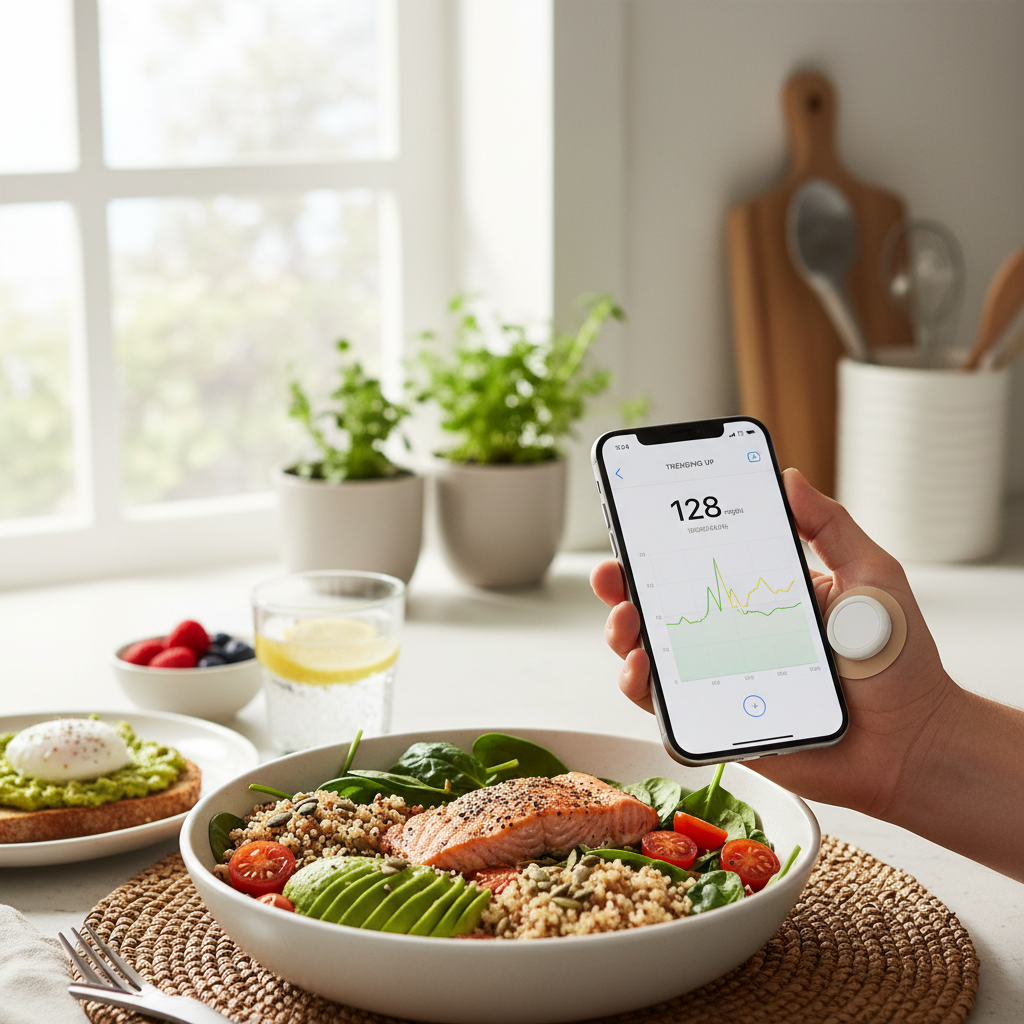
CGMs for non-diabetics are gaining traction, but are they genuinely worth the investment for optimising health and longevity? We explore the evidence.
# Are Continuous Glucose Monitors for Non-Diabetics Worth It?
In the pursuit of optimal health and longevity, the landscape of personal health technology is continually evolving. Among the most discussed innovations in recent years is the Continuous Glucose Monitor (CGM). Once exclusively the domain of individuals managing diabetes, CGMs are now being enthusiastically embraced by a growing number of non-diabetics – biohackers, athletes, and those simply seeking to fine-tune their metabolic health. But the burning question remains: are continuous glucose monitors for non-diabetics truly worth the investment, or are they an unnecessary extravagance?
At Longevity Stack, our mission is to cut through the noise and provide evidence-first insights. This comprehensive analysis delves into the science behind CGMs, their potential benefits for those without diabetes, and whether they offer a tangible advantage in the quest for extended healthspan.
Understanding Continuous Glucose Monitors (CGMs)
A Continuous Glucose Monitor is a small, wearable device – typically a sensor applied to the back of the upper arm – that measures interstitial fluid glucose levels every few minutes, providing real-time data throughout the day and night. Unlike traditional finger-prick tests, which offer a snapshot, CGMs paint a detailed picture of how your body responds to food, exercise, stress, and sleep.
For diabetics, CGMs are indispensable tools for managing blood sugar, preventing dangerous highs (hyperglycaemia) and lows (hypoglycaemia), and optimising insulin therapy. However, for non-diabetics, the utility shifts from disease management to metabolic optimisation and proactive health maintenance. The data collected can reveal patterns that might otherwise go unnoticed, potentially highlighting suboptimal dietary choices or lifestyle habits long before they manifest as clinically significant issues.
Key metrics provided by a CGM include: - **Average Glucose:** Your typical glucose level over a given period. - **Glucose Variability:** How much your glucose levels fluctuate throughout the day. - **Time in Range (TIR):** The percentage of time your glucose is within a healthy target range (e.g., 3.9-7.8 mmol/L or 70-140 mg/dL). - **Post-prandial Responses:** How your glucose reacts to specific meals. - **Nocturnal Glucose Patterns:** Insights into overnight metabolic function.
This wealth of data empowers individuals to make highly personalised adjustments, moving beyond generic dietary advice to a strategy tailored to their unique physiology.
The Non-Diabetic Metabolic Landscape: Why Glucose Matters
While non-diabetics typically maintain glucose levels within a healthy range, sub-optimal metabolic health can still be a significant concern for long-term healthspan. Chronic low-grade glucose dysregulation, even without reaching diabetic thresholds, is increasingly linked to an elevated risk of various chronic diseases and accelerated ageing.
Consider the concept of 'metabolic flexibility' – the body's ability to efficiently switch between burning carbohydrates and fats for fuel. Individuals with good metabolic flexibility tend to have more stable glucose levels. Conversely, poor metabolic flexibility can lead to frequent glucose spikes and crashes, contributing to:
- **Insulin Resistance:** A precursor to type 2 diabetes, where cells become less responsive to insulin, requiring the pancreas to produce more.
- **Inflammation:** Glucose spikes can trigger inflammatory responses in the body, a key driver of many age-related diseases.
- **Oxidative Stress:** Elevated glucose can increase reactive oxygen species, damaging cells and tissues.
- **Energy Fluctuations:** Rollercoaster glucose levels often result in energy dips, brain fog, and cravings.
- **Cardiovascular Risk:** Sustained glucose variability has been associated with an increased risk of heart disease, even in non-diabetic populations.
Emerging research also connects glucose dysregulation to neurodegenerative diseases like Alzheimer's. By proactively monitoring and managing glucose, non-diabetics aim to mitigate these risks, preserve metabolic function, and potentially extend their healthspan. This proactive approach is a cornerstone of the longevity movement, aligning with strategies like optimising time-restricted eating and enhancing overall metabolic health.
Benefits for Non-Diabetics: Beyond Disease Management
For non-diabetics, a CGM transforms a health metric into actionable intelligence. The benefits extend far beyond merely detecting prediabetes:
* **Personalised Nutrition:** Generic dietary advice often falls short. A CGM reveals your unique glucose response to different foods and food combinations. You might discover that a seemingly healthy meal, like a bowl of oats, causes a significant spike, while a burger with no bun has minimal impact. This allows for truly personalised dietary adjustments, optimising macronutrient ratios and food choices for stable glucose levels. * **Optimised Exercise Performance & Recovery:** Glucose is fuel. Monitoring levels before, during, and after exercise can help athletes fine-tune carbohydrate intake to sustain performance and aid recovery. For instance, understanding post-exercise glucose patterns can inform optimal refuelling strategies. Even for non-athletes, seeing how a walk after a meal blunts a glucose spike can be a powerful motivator. * **Enhanced Energy & Focus:** Stable glucose levels often translate to stable energy. Avoiding sharp spikes and crashes can reduce fatigue, improve cognitive function, and enhance overall mood. Many users report feeling more consistent energy throughout the day, eliminating the dreaded 'afternoon slump'. * **Improved Sleep Quality:** Nocturnal glucose patterns can impact sleep. Large glucose spikes before bed, or significant drops during the night, can disrupt sleep architecture. A CGM can help identify these issues, leading to adjustments in evening meals or activities that promote more restful sleep. Sleep optimisation is a critical component of longevity. * **Stress Management Insights:** Stress hormones like cortisol can raise blood glucose. A CGM can sometimes highlight glucose spikes during periods of high stress, providing a tangible metric for the physiological impact of stress and encouraging better stress management techniques. * **Long-Term Disease Prevention:** By identifying sub-optimal glucose patterns early, non-diabetics can implement lifestyle changes to prevent the progression towards insulin resistance, prediabetes, and type 2 diabetes. This preventative approach is central to extending healthspan.
A study published in *Nature Medicine* demonstrated that CGMs can significantly improve health outcomes in non-diabetic individuals by promoting healthier eating habits and reducing HbA1c levels, a key marker of long-term glucose control. See the full study here: Nature Medicine.
Practical Considerations and Potential Drawbacks
While the allure of real-time glucose data is strong, there are practical considerations and potential drawbacks for non-diabetics contemplating CGM use:
* **Cost:** CGMs are not inexpensive. Without a diagnosis of diabetes, they are rarely covered by national health services or private insurance, making them a significant out-of-pocket expense. The sensors typically last 10-14 days, meaning ongoing costs if continuous monitoring is desired. * **Data Overload & Misinterpretation:** The sheer volume of data can be overwhelming. Without proper context or guidance, users might misinterpret spikes as inherently 'bad' or make unnecessary, restrictive dietary changes. It's crucial to understand normal physiological responses and to consult with healthcare professionals or metabolic health coaches. * **False Alarms:** CGMs measure interstitial fluid, not direct blood glucose. There's a slight lag, and some foods (e.g., those high in fibre) or activities can lead to temporary, non-alarming spikes that might cause undue anxiety if misinterpreted. * **Skin Irritation:** The adhesive patch can cause skin irritation for some individuals. * **Not a Diagnostic Tool (for non-diabetics):** For non-diabetics, a CGM is a monitoring tool, not a diagnostic one. If you have concerns about diabetes, a formal medical diagnosis from a doctor is essential. * **Focus on Specific Metrics:** While valuable, focusing solely on glucose can sometimes lead to overlooking other critical aspects of health, such as micronutrient intake, gut health, or comprehensive biomarker insights. It's part of a larger picture.
It’s important to acknowledge that the long-term benefits of CGM use in *healthy, non-diabetic* populations for preventing specific diseases are still an active area of research. While plausible and supported by physiological understanding, robust, long-term clinical trials specifically proving a reduction in disease incidence purely from CGM use in this demographic are still emerging.
Making the Decision: Is it Worth It For You?
Deciding whether a CGM is worth it for a non-diabetic largely depends on individual goals, budget, and propensity for self-experimentation. Here are scenarios where it might be particularly beneficial:
* **Optimising Athletic Performance:** Athletes looking to fine-tune nutrient timing and recovery can gain significant insights. * **Addressing Unexplained Fatigue or Brain Fog:** If you experience energy dips or cognitive issues, a CGM can help identify dietary triggers. * **Proactive Health & Longevity:** Individuals deeply committed to metabolic optimisation and preventing age-related diseases may find it invaluable for personalised insights. * **Experimenting with New Diets:** When adopting new eating patterns (e.g., low-carb, vegan), a CGM provides real-time feedback on your body's response. * **Weight Management:** Understanding how specific foods impact your satiety and cravings through glucose responses can be a powerful tool for sustainable weight management.
Consider a short-term trial (e.g., 2-4 weeks) rather than an indefinite commitment. This allows you to gather significant personal data and identify key patterns without the long-term financial burden. Many companies offer starter kits for this purpose. Look for data analysis tools or apps that help you interpret the complex information. Some platforms even connect you with health coaches who can provide expert guidance.
**Safety Note:** When considering any health technology or intervention, including CGMs, always consult with a qualified healthcare professional, especially if you have pre-existing medical conditions or are taking medications. This content is for informational purposes only and not medical advice. For more information, please see our /legal/disclaimer.
Integrating CGM Data with a Holistic Longevity Approach
For those invested in a comprehensive longevity strategy, CGM data can be a powerful addition to a broader suite of tools. Think of it as another piece of the puzzle alongside:
- **Advanced Biomarker Testing:** Regular blood tests to monitor inflammation, lipid profiles, hormone levels, and markers like ApoB or Lp(a). For more information, explore Longevity Stack's AI tools for deeper insights.
- **Wearable Technology:** Devices like smart rings or watches that track sleep, heart rate variability (HRV), and activity levels can provide complementary data. For example, understanding how glucose spikes correlate with poorer sleep quality can reinforce lifestyle changes.
- **Dietary Tracking:** Pairing CGM data with detailed food logging can help identify specific culprits and heroes in your diet.
- **Targeted Supplementation:** Once patterns are identified, supplements like berberine or [alpha-lipoic acid] might be considered, always under professional guidance.
- **Structured Exercise Regimes:** Integrating insights from CGM data into your resistance training or Zone 2 cardio protocols to optimise performance and recovery.
The goal isn't just to react to high glucose, but to proactively cultivate metabolic resilience. This involves understanding the interplay between diet, exercise, stress, sleep, and even certain peptides in shaping your internal environment. CGMs provide a unique, real-time window into one of the most fundamental aspects of this internal environment: glucose metabolism. For further reading, an extensive review on glucose monitoring in non-diabetics can be found via the NIH: PubMed Central.
Bottom Line
Are continuous glucose monitors for non-diabetics worth it? The answer is nuanced. For individuals without diagnosed diabetes, a CGM isn't a necessity, but it can be an exceptionally powerful tool for deep metabolic insight and personalised health optimisation. It offers a unique window into your body's real-time responses to daily inputs, fostering a level of dietary and lifestyle awareness previously unattainable.
If you're committed to a proactive longevity approach, keen to fine-tune your nutrition, optimise energy levels, and mitigate long-term health risks, a short-term trial of a CGM could be profoundly insightful. It transforms abstract health goals into actionable data, empowering you to make truly informed choices for a longer, healthier life. However, weigh the cost against your personal goals and remember that it's one tool in a broader longevity stack, best utilised in conjunction with other health strategies and professional guidance.