Are Continuous Glucose Monitors Worth It for
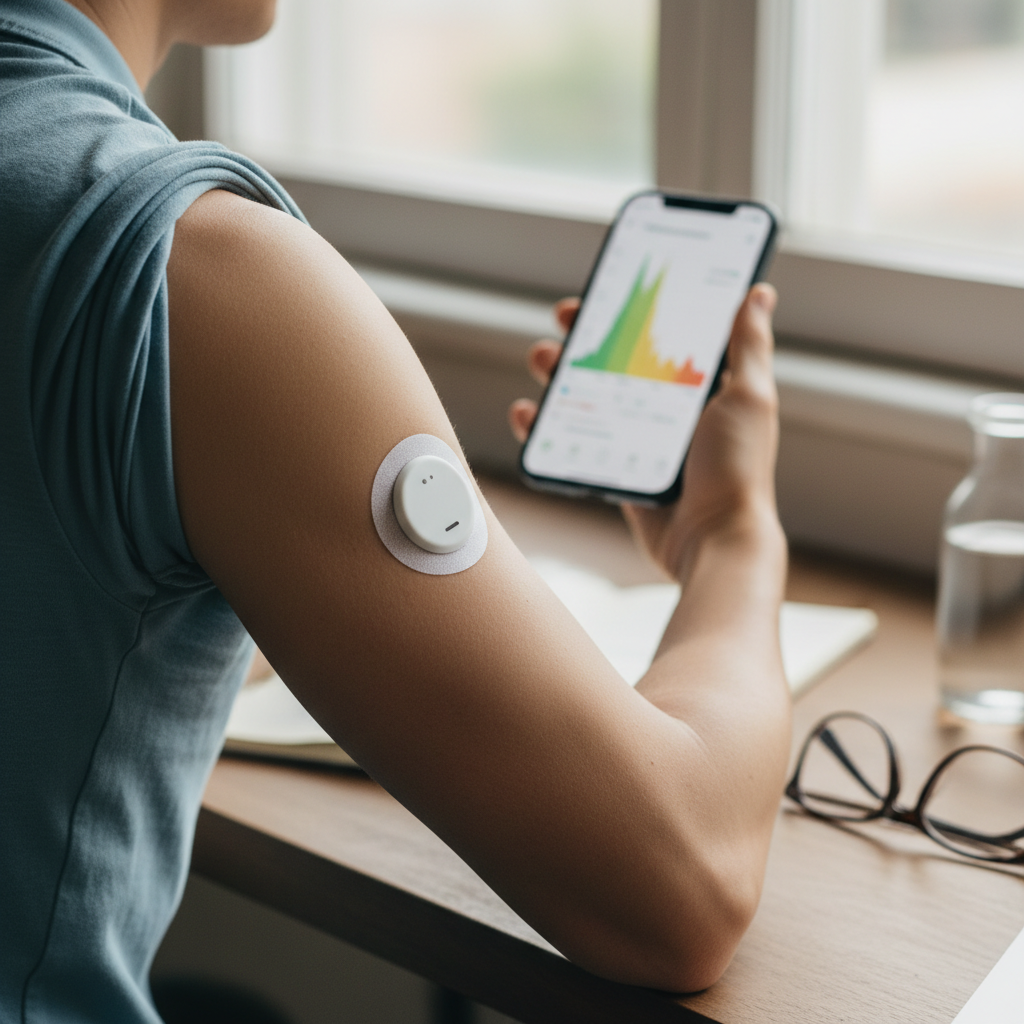
Continuous Glucose Monitors (CGMs) offer real-time metabolic feedback. This post explores their utility for non-diabetics seeking health optimisation and longevity.
# Are Continuous Glucose Monitors Worth It for Non-Diabetics?
In the pursuit of optimal health and extended healthspan, a growing number of individuals are turning to advanced biometric tracking tools. Among these, the Continuous Glucose Monitor (CGM) has emerged as a particularly popular device, once exclusively the domain of diabetes management. Today, non-diabetics are strapping them on, hoping to glean actionable insights into their metabolic health. But the critical question remains: are continuous glucose monitors for non-diabetics worth it? As longevity science editors, we at Longevity Stack delve into the evidence to assess the true value proposition of CGMs for those without a diagnosed metabolic condition.
Historically, glucose monitoring involved inconvenient finger-prick tests, providing only a snapshot of blood sugar levels at a given moment. The advent of CGMs revolutionised this, offering real-time, continuous data on interstitial glucose levels. These small, wearable devices, typically placed on the upper arm, measure glucose every few minutes, transmitting data wirelessly to a smartphone or dedicated receiver. This constant stream of information creates a detailed picture of how diet, exercise, stress, and sleep impact an individual's glucose metabolism throughout the day and night.
For diabetics, the benefits are unequivocal: improved glycaemic control, reduced hypoglycaemic events, and better overall disease management. For non-diabetics, the narrative shifts from disease management to health optimisation, prevention, and performance enhancement. The promise is profound: by understanding how your body responds to specific foods and activities, you can fine-tune your lifestyle to maintain stable blood sugar, minimise glucose spikes, and potentially mitigate the risk of future metabolic disorders. But is this promise supported by robust scientific evidence, and does it translate into tangible, long-term health benefits for the metabolically healthy individual?
Understanding Glucose and Metabolic Health
Glucose, derived primarily from carbohydrates in our diet, is the body's primary source of energy. Its levels are tightly regulated by hormones, predominantly insulin. When we eat, glucose enters the bloodstream, prompting the pancreas to release insulin, which helps cells absorb glucose for energy or storage. Problems arise when this delicate balance is disrupted. Chronic elevated glucose levels, or frequent significant glucose spikes and subsequent crashes, can lead to insulin resistance, where cells become less responsive to insulin. This forces the pancreas to produce even more insulin, a state known as hyperinsulinemia, which is a precursor to type 2 diabetes and contributes to a host of other health issues.
Beyond diabetes, dysregulated glucose metabolism is implicated in various chronic diseases that impact healthspan and longevity. These include cardiovascular disease, certain cancers, neurodegenerative conditions like Alzheimer's, and even accelerated biological ageing. Therefore, maintaining stable and healthy glucose levels is not just about preventing diabetes; it's a cornerstone of overall metabolic health and a critical component of any comprehensive longevity strategy.
Traditional metrics for assessing glucose health include fasting blood glucose, HbA1c (a measure of average blood glucose over 2-3 months), and oral glucose tolerance tests. While valuable, these provide only intermittent or averaged data. CGMs offer a dynamic, granular view, revealing patterns and individual responses that static tests cannot capture. For instance, two individuals might have similar HbA1c levels, but a CGM could reveal that one experiences frequent, dramatic post-meal glucose spikes while the other maintains relatively flat glucose curves. These distinct patterns have different implications for long-term health.
The Promise of CGMs for Non-Diabetics
For non-diabetics, the allure of CGMs lies in their potential to offer a level of self-experimentation and personalised insights previously unavailable. The real-time feedback loop allows users to immediately observe the impact of dietary choices. A 'healthy' food for one person might trigger a significant glucose spike for another due to individual variations in gut microbiome composition, genetics, and insulin sensitivity. This level of personalisation is a key draw for many in the biohacking and longevity communities.
**Key potential benefits often cited include:**
* **Personalised Nutrition:** Identifying specific foods or food combinations that cause undesirable glucose responses. This moves beyond generic dietary advice to truly individualised eating patterns. For example, some might find that white rice spikes their glucose more than sweet potatoes, while others have the opposite experience. This can inform decisions about carbohydrate timing and portion sizes. * **Optimised Exercise Timing:** Understanding how different types of exercise impact glucose levels and using this information to schedule workouts for better glycaemic control. For instance, a short walk after a meal can significantly blunt a glucose spike. * **Improved Sleep Quality:** Recognising how late-night eating or specific foods before bed might disrupt glucose stability overnight, potentially impacting sleep quality and recovery. Metabolic stability during sleep is crucial for optimal health. * **Stress Management:** Observing the direct impact of stress on glucose levels. Stress hormones like cortisol can elevate blood glucose, and seeing this in real-time can be a powerful motivator for stress reduction techniques. * **Early Detection of Metabolic Dysfunction:** While not a diagnostic tool, persistent high glucose excursions, even within 'normal' HbA1c ranges, could signal early signs of insulin resistance or pre-diabetes, prompting earlier intervention. * **Enhanced Awareness and Motivation:** The visual, immediate feedback from a CGM can be a powerful behavioural change tool, making abstract health concepts tangible and reinforcing positive choices. This gamification aspect can be highly motivating.
Research has started to explore these benefits. A study published in *Nature Medicine* highlighted how CGMs could empower individuals to make healthier food choices by providing personalised glycaemic responses https://www.nature.com/articles/s41591-020-0913-9. Another study underscored the role of postprandial glucose excursions in cardiovascular risk, even in non-diabetics https://pubmed.ncbi.nlm.nih.gov/20855850/. These findings suggest a legitimate basis for the claims made by CGM advocates.
The Caveats: Is the Investment Truly Justified?
While the potential benefits are compelling, it's crucial to approach CGM use for non-diabetics with a critical eye. Several factors need consideration before deeming them universally 'worth it'.
Firstly, cost is a significant barrier. CGMs are not inexpensive, and insurance typically does not cover them for non-diabetic use. A sensor usually lasts 10-14 days, leading to ongoing expenses that can accumulate significantly over time. For many, this represents a substantial investment that could otherwise be allocated to other evidence-backed supplements or health interventions, such as high-quality omega-3 or creatine.
Secondly, the data can be overwhelming and, if misinterpreted, counterproductive. While CGMs provide raw data, understanding its nuances and translating it into actionable insights often requires a degree of education or professional guidance. Without this, individuals might become overly fixated on minor fluctuations, leading to unnecessary anxiety or restrictive eating patterns that are not genuinely beneficial. There's a risk of orthorexia or an unhealthy obsession with 'perfect' glucose curves, which can detract from overall well-being.
Thirdly, it's important to remember that CGMs measure interstitial fluid glucose, which lags slightly behind blood glucose. While generally accurate, there can be discrepancies, especially during rapid changes in blood sugar. Furthermore, the correlation between glucose variability and hard clinical outcomes in non-diabetics is still an active area of research. While studies suggest a link between postprandial spikes and long-term health risks, definitively proving that actively blunting these spikes through CGM-guided behavioural changes directly prevents disease in metabolically healthy individuals requires more extensive, long-term randomised controlled trials.
Practical Applications and Alternative Approaches
For those considering a CGM, a strategic approach is key. Rather than continuous, indefinite use, many experts suggest using a CGM periodically – perhaps for two to four weeks at a time – to gain insights, implement changes, and then re-evaluate later. This 'burst' approach allows for data collection and behavioural modification without the continuous financial burden or potential for obsessive monitoring.
During these periods, focus on identifying specific triggers for glucose excursions. This might involve:
* **Food Testing:** Systematically eating specific foods or meals and observing the response. Pay attention to how different macronutrient compositions, fibre content, and food preparation methods affect your glucose. * **Meal Sequencing:** Experimenting with eating protein and fat before carbohydrates to blunt glucose spikes. * **Post-Meal Movement:** Confirming the benefits of a short walk (10-15 minutes) after meals. * **Stress and Sleep Impact:** Noting how stressful events or poor sleep correlate with elevated baseline glucose or exaggerated responses to food.
Consider integrating these insights with other longevity protocols, such as time-restricted eating, which can also significantly impact glucose regulation. For those who find the CGM too costly or invasive, other indicators of metabolic health remain crucial. Regular blood tests for fasting glucose, HbA1c, insulin, and lipid panels provide foundational information. Monitoring energy levels, body composition, and exercise performance also offers valuable, holistic insights into metabolic well-being.
Many of the general recommendations that CGMs help to reinforce – such as eating whole, unprocessed foods, regular physical activity, adequate sleep, and stress management – are already well-established pillars of health. A CGM can provide the 'why' and 'how' specific to an individual, but the core principles remain consistent. It can act as a powerful educational tool, making generic advice tangible.
The Future of Metabolic Monitoring
The field of metabolic monitoring is rapidly evolving. We're seeing advancements not only in CGM technology but also in integrated 'wearables' that combine glucose data with heart rate variability, sleep stages, and activity levels to offer a more holistic view of physiological stress and recovery. These integrated platforms, often coupled with AI tools for biomarker insights and supplement stack recommendations, promise even deeper levels of personalisation. The goal is to move beyond simply identifying problems to proactively preventing them and optimising health across multiple domains. Companies are investing heavily in making these devices more comfortable, accurate, and affordable, potentially democratising access to this level of metabolic insight. For now, the question of whether continuous glucose monitors for non-diabetics are worth it hinges on an individual's goals, financial capacity, and willingness to engage with the data meaningfully.
It's also worth noting the ongoing research into other biomarkers. While glucose is a critical parameter, it's one piece of a complex puzzle. Scientists are exploring continuous monitoring of other metabolites, hormones, and even inflammatory markers to provide an even richer picture of an individual's health status. This multi-omics approach, combining genetic, proteomic, and metabolomic data, represents the cutting edge of personalised medicine and is likely where the future of health optimisation lies.
Bottom line
For metabolically healthy individuals, the decision to use a Continuous Glucose Monitor is a personal one, weighing the considerable cost against the potential for deep, personalised metabolic insights. While not a universal necessity, CGMs can be an incredibly powerful educational tool, offering real-time feedback that can drive sustainable behavioural change in diet, exercise, and lifestyle. This can lead to improved metabolic stability, reduced glucose variability, and potentially a lower risk of future chronic diseases, thereby supporting a longer, healthier life.
However, it's crucial to approach CGM use strategically, focusing on periodic monitoring to identify actionable patterns rather than indefinite use. Ensure you're prepared to interpret the data wisely or seek guidance to avoid misinterpretation and unnecessary anxiety. For those committed to optimising their health and willing to invest in advanced biometric tracking, a CGM can be a valuable addition to their longevity toolkit, providing a powerful window into their unique metabolic landscape.
*Disclaimer: The information provided in this article is for educational purposes only and does not constitute medical advice. Always consult with a qualified healthcare professional before making any decisions about your health or treatment, especially when considering new devices or protocols. For more details, please see our /legal/disclaimer.*