Mastering Grip Strength for Longevity: Your
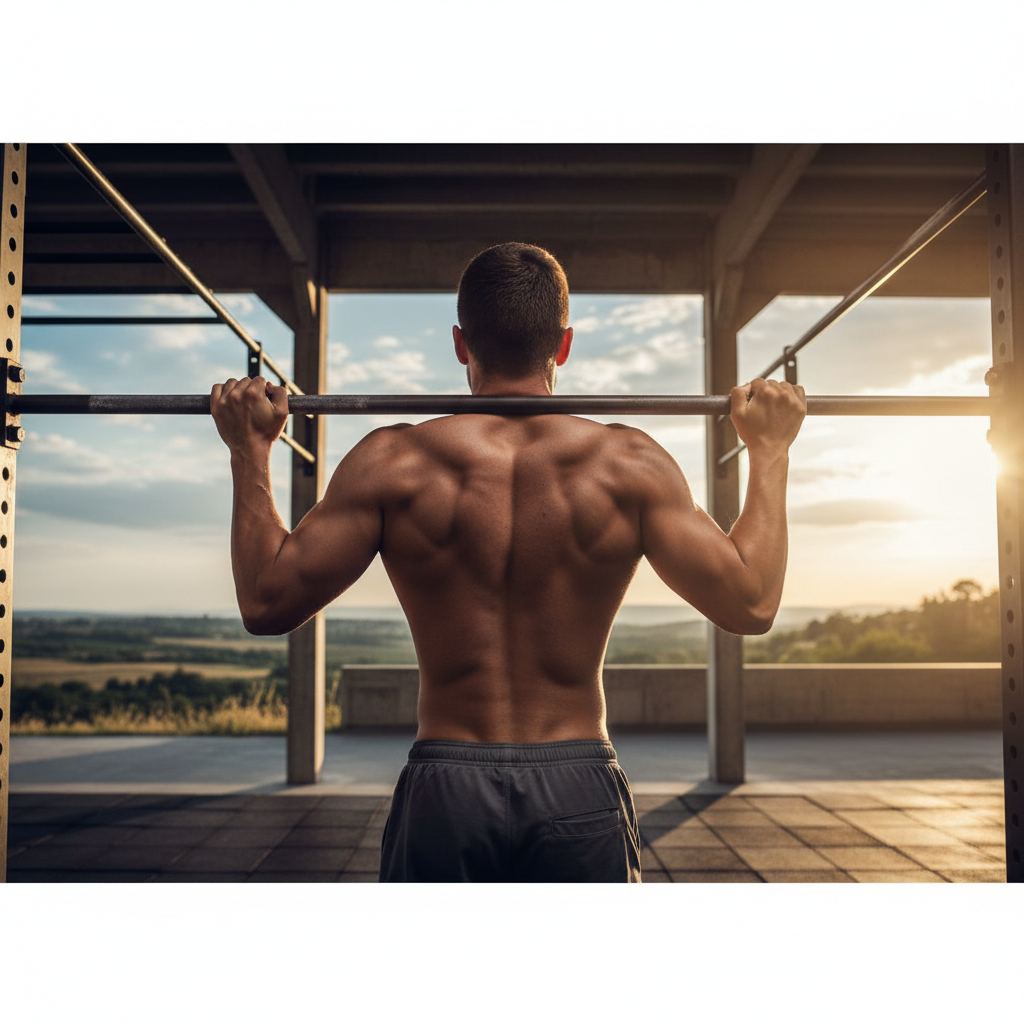
Grip strength is a powerful, yet often overlooked, predictor of longevity and healthspan. Learn how to integrate targeted training to improve it.
# Mastering Grip Strength for Longevity: Your Training Plan
In the ever-evolving landscape of longevity science, certain biomarkers emerge as surprisingly potent predictors of healthspan and lifespan. Among these, grip strength stands out not just for its simplicity of measurement, but for its profound correlation with overall health, disease risk, and functional independence into old age. Far from being merely a test of physical power, your grip strength offers a window into your muscular integrity, neurological health, and even cardiovascular resilience.
At Longevity Stack, our mission is to translate cutting-edge research into actionable strategies. This article delves into the compelling evidence linking grip strength to longevity and provides a comprehensive, research-backed training plan to help you not just maintain, but actively improve, this vital health marker. If you're looking for a straightforward, impactful way to invest in your long-term health, improving your grip strength should be at the top of your list.
Why Grip Strength is a Powerful Longevity Biomarker
The link between grip strength and longevity is not anecdotal; it's robustly supported by a substantial body of epidemiological research. Multiple large-scale studies have consistently demonstrated that stronger grip is associated with a lower risk of all-cause mortality, cardiovascular disease, cancer, and improved cognitive function. It's a surprisingly comprehensive indicator, reflecting systemic health rather than just localised muscle power.
For instance, a meta-analysis published in *The Lancet* highlighted that every 5 kg decrement in grip strength was associated with a 16% increased risk of all-cause mortality. This isn't merely about the ability to open a jar; it's a proxy for overall muscle mass, strength, and physical function – all of which decline with age, a process known as sarcopenia. Sarcopenia is a major contributor to frailty, falls, and reduced quality of life in later years. A strong grip suggests robust musculature throughout the body, reflecting better nutritional status, physical activity levels, and neuromuscular health.
Beyond just mortality, grip strength has been linked to:
* **Cardiovascular Health:** Lower incidence of heart attacks and strokes. A 2015 study in the *British Medical Journal* (BMJ) found that a stronger grip was associated with a lower risk of cardiovascular death and non-cardiovascular death. * **Cognitive Function:** Better performance on cognitive tests and reduced risk of dementia. * **Metabolic Health:** Improved insulin sensitivity and lower risk of type 2 diabetes. This connection likely stems from grip strength being a surrogate for overall muscle mass, which plays a crucial role in glucose uptake and metabolism. * **Bone Density:** Often correlates with higher bone mineral density, reducing osteoporosis risk. * **Recovery from Illness:** Better outcomes after surgery or hospitalisation.
Considering these profound implications, it becomes clear that grip strength isn't just a gym metric; it's a vital sign of your biological age and resilience. Incorporating targeted grip training into your fitness regimen is an intelligent, evidence-based strategy for enhancing your healthspan.
Understanding the Anatomy of Grip and Its Functions
To effectively train grip strength, it's essential to understand the different ways we utilise our hands and forearms. Grip isn't a singular action; it's a complex interplay of muscles and tendons, primarily located in the forearm, that control the hand and fingers. We can break grip down into several key functions:
* **Crushing Grip:** The ability to squeeze an object with maximum force, like crushing a can or shaking someone's hand firmly. This primarily involves the finger flexors and intrinsic hand muscles. * **Pinch Grip:** The ability to hold an object between the thumb and fingers without allowing it to contact the palm. Think about picking up a weight plate by its edge or holding a stack of books. This tests the strength of the thumb and finger abductors and adductors. * **Support Grip (or Static Hold):** The ability to hang onto an object for an extended period, resisting gravity. This is crucial for activities like carrying groceries, deadlifts, or hanging from a pull-up bar. This engages the forearm flexors and extensors isometrically. * **Extension Strength:** Often overlooked, the ability to open your hand and extend your fingers is vital for balancing the flexor muscles and preventing imbalances that can lead to injuries like 'golfer's elbow' or 'tennis elbow'.
Effective grip training must address all these facets to build comprehensive and resilient hand and forearm strength. Neglecting one aspect can lead to imbalances, which might hinder overall performance and potentially contribute to injury. For overall physical robustness, pairing grip training with resistance training is fundamental.
The Longevity Stack Grip Training Protocol: Principles and Progression
Our grip training protocol is designed to be progressive, comprehensive, and adaptable to various fitness levels. It integrates directly into your existing strength training routine or can be performed as a standalone programme. The key principles are consistency, variety, and progressive overload.
### General Guidelines:
* **Frequency:** Aim for 2-3 sessions per week, with at least 48 hours of rest between sessions. This allows for adequate recovery and adaptation. * **Warm-up:** Always perform a brief warm-up (5-10 minutes) before grip exercises. This could include wrist circles, finger stretches, and light squeezing of a soft ball. * **Cool-down:** Finish with gentle stretches for the forearms and hands. * **Progressive Overload:** As with all strength training, gradually increase the resistance, duration, or repetitions over time. This is fundamental for continued improvement. * **Listen to Your Body:** If you experience pain, stop the exercise. Minor discomfort is normal, but sharp or persistent pain is not.
### The Training Plan:
Incorporate 2-3 exercises from the following categories into each grip training session. Perform 2-3 sets of each exercise.
#### 1. Crushing Grip Exercises
* **Hand Grippers (Adjustable or Fixed Resistance):** * *How to:* Squeeze the handles together fully, then slowly release. Ensure a full range of motion. * *Sets/Reps:* 3 sets of 8-12 repetitions. If using a fixed gripper, aim for a resistance that allows you to complete 8-12 reps with good form. * **Plate Pinches (Crush):** * *How to:* Stand two weight plates together, smooth sides facing out. Grasp them firmly with one hand, fingers wrapped around the edges, and lift. Hold them for time. This primarily targets your thumb strength and crushing power. * *Sets/Duration:* 3 sets of 15-30 seconds per hand.
#### 2. Pinch Grip Exercises
* **Plate Pinches (Pinch):** * *How to:* Pinch the smooth side of a single weight plate (or two lighter plates) between your thumb and fingers. Keep your palm open. Lift and hold. * *Sets/Duration:* 3 sets of 15-30 seconds per hand. * **Hub Pinches:** * *How to:* If available, use a hub attachment (a small cylinder with a plate-loading pin) or pinch the centre 'hub' of a weight plate. Lift and hold. * *Sets/Duration:* 3 sets of 10-20 seconds per hand.
#### 3. Support Grip Exercises
* **Dead Hangs:** * *How to:* Hang from a pull-up bar with an overhand, pronated grip. Aim for a full, relaxed hang with shoulders packed. Ensure proper form to avoid shoulder injury. This is an excellent exercise for decompressing the spine as well as building grip endurance. * *Sets/Duration:* 3 sets of holding for as long as possible (to failure). Rest 60-90 seconds between sets. Gradually increase duration. * **Farmer's Walks:** * *How to:* Hold heavy dumbbells or kettlebells in each hand, maintaining an upright posture. Walk for a specified distance or time. This is a fantastic full-body exercise that heavily taxes support grip. * *Sets/Duration:* 3 sets of 30-60 seconds or 20-50 metres. Gradually increase weight or distance.
#### 4. Extension Strength Exercises
* **Resistance Band Finger Extensions:** * *How to:* Place a thick rubber band around your fingers. Open your hand, spreading your fingers against the band's resistance. Slowly return to the starting position. * *Sets/Reps:* 3 sets of 15-20 repetitions. * **Rice Bucket Hand Extensions:** * *How to:* Plunge your hand into a bucket of rice (or sand, for more resistance). With your hand open, spread and extend your fingers against the resistance of the rice. Also, make fists and open them, and perform wrist rotations. * *Sets/Duration:* Perform for 2-3 minutes as a 'finisher' or warm-up for grip training.
Remember, consistency is paramount. Even small, regular efforts will yield significant improvements over time. For those already engaged in comprehensive resistance training, many exercises like deadlifts, rows, and pull-ups already contribute to grip strength. Adding specific grip work simply enhances this foundation.
Integrating Grip Training into Your Lifestyle and Advanced Strategies
Beyond structured workouts, there are numerous ways to weave grip strengthening into your daily life and explore more advanced methods.
### Lifestyle Integration:
* **Carry Groceries without a Cart:** Embrace carrying heavy bags for short distances. This is a practical application of support grip. * **Use a Thicker Bar:** When doing pull-ups, rows, or even bicep curls, using fat grip attachments or a thicker barbell can dramatically increase the demand on your forearms and hands. This makes even standard exercises into grip builders. * **Rock Climbing or Bouldering:** These activities are arguably one of the most effective and enjoyable ways to build comprehensive grip strength, including crushing, pinching, and support grip, while also enhancing full-body strength and problem-solving skills.
### Advanced Strategies:
* **Negative Reps (for grippers):** For hand grippers, use two hands to close a gripper that is too strong for a single-hand close, then resist the opening phase with one hand for 5-10 seconds. This builds eccentric strength. * **Isometric Holds at Varying Angles:** Beyond dead hangs, try holding dumbbells in various positions (e.g., at 90 degrees to your body) to challenge different stabiliser muscles and grip angles. * **Specialised Grip Tools:** Explore tools like T-bar pinch grips, V-bar pinches, or grip rollers (for wrist flexion/extension strength).
### Nutritional Support for Muscle Health:
While training is key, proper nutrition supports muscle growth and recovery. Ensure adequate protein intake (typically 1.6-2.2g per kg of body weight) and consider supplements that support muscle function and repair. Creatine is a well-researched supplement known to enhance strength and power, directly benefiting your grip. Other supplements like magnesium glycinate can support muscle function and recovery, while omega-3 fatty acids may aid in reducing inflammation, promoting overall joint and muscle health.
Always remember to consult with a healthcare professional or qualified trainer before beginning any new training program or supplement regimen. Further research into peptide applications for muscle and tendon health, such as BPC-157, is ongoing, but these are advanced considerations.
Measuring Progress and Setting Goals
Tracking your grip strength progress is motivating and helps ensure you're on the right path. While clinical settings use dynamometers for precise measurements, you can track your progress effectively at home.
### How to Measure:
* **Hand Dynamometer:** The most accurate method. Take 3 measurements per hand and record the highest score. Aim to test monthly or quarterly. You can purchase affordable dynamometers online. * **Max Hold Time:** For dead hangs or farmer's walks, simply record the longest time you can maintain the hold with good form. * **Max Weight Lifted (Pinch/Support):** For plate pinches or farmer's walks, record the heaviest weight you can hold for a set duration (e.g., 10 seconds). * **Gripper Reps/Resistance:** For hand grippers, note the number of repetitions you can achieve with a specific resistance or the strength level of the gripper you can fully close.
### Setting Goals:
* **Improve by 5-10% Annually:** A realistic and sustainable goal for consistent improvement. * **Achieve Age-Related Norms (and then surpass them):** Consult charts that provide average grip strength for your age and sex. Aim to be above average, and then continue to push beyond. * **Functional Goals:** Can you carry all your groceries in one trip? Can you hold a heavy suitcase for several minutes? Relate your training to real-world tasks.
Regular assessment not only validates your efforts but also provides valuable data for adjusting your training plan. Combine this with other longevity biomarkers, perhaps tracked through AI tools, for a holistic view of your health journey.
Bottom Line
Grip strength is far more than just a measure of physical prowess; it's a profound, easily measurable biomarker for overall health and longevity. By committing to a consistent, well-rounded grip training programme, you're not just building stronger hands and forearms – you're investing directly in your long-term healthspan, reducing your risk of age-related diseases, and improving your functional independence for years to come. The simplicity of grip training belies its powerful impact. Start today, and seize the future of your health.
*Please note: The information provided is for educational purposes only and should not replace professional medical advice. Always consult your healthcare provider before starting any new supplement or exercise regimen. For more details, please see our /legal/disclaimer.*