Ipamorelin for Sleep: A 2026 Perspective on
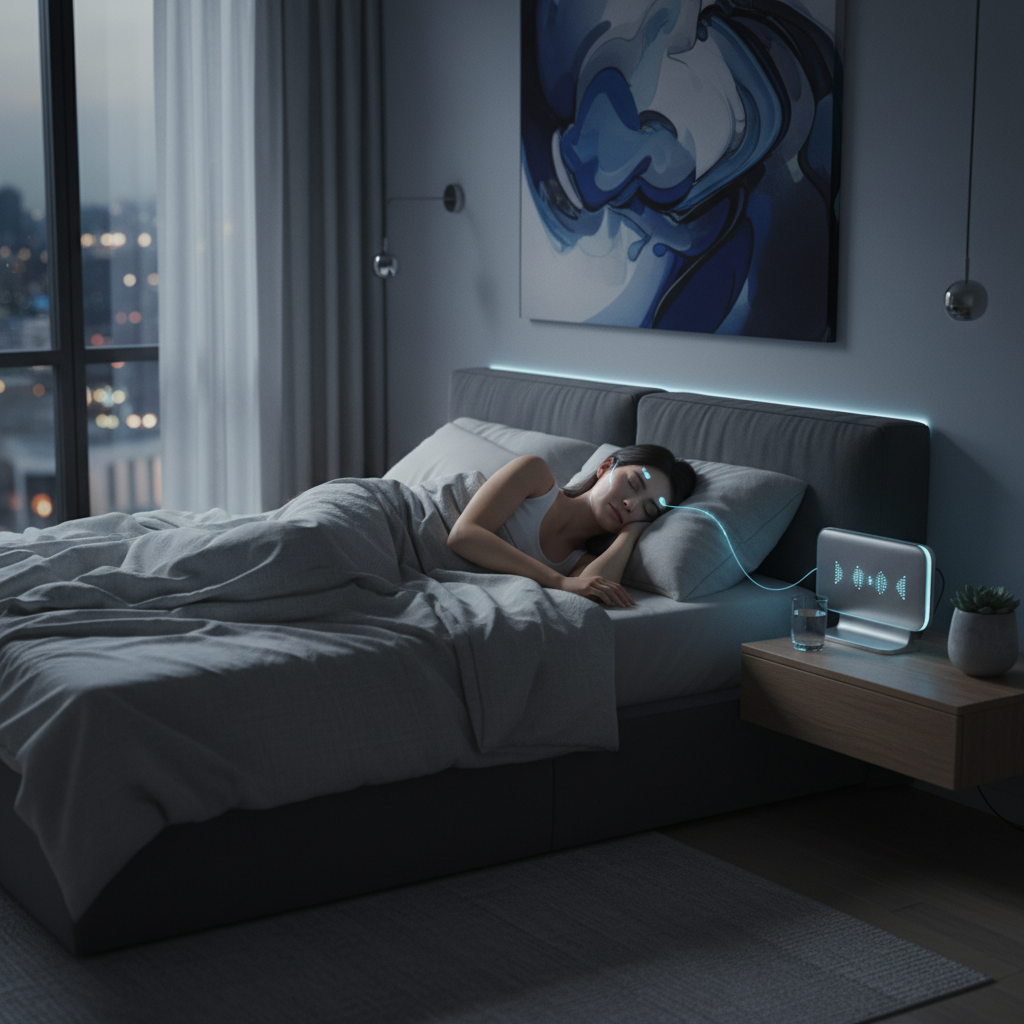
Ipamorelin, a selective GH secretagogue, offers a nuanced approach to optimising sleep. We examine its effects on deep sleep, REM, and hormonal interplay.
# Ipamorelin for Sleep: A 2026 Perspective on Circadian Impact
Ipamorelin, a synthetic pentapeptide, has garnered significant interest within the longevity community, primarily for its role as a selective growth hormone secretagogue. Unlike its predecessors, which often came with a host of undesirable side effects, Ipamorelin's claim to fame is its targeted activation of the ghrelin receptor (GHS-R1a), leading to a pulsatile release of growth hormone (GH) from the pituitary gland. This selectivity means it avoids stimulating the release of cortisol, prolactin, or significantly increasing appetite, making it a potentially cleaner alternative for those looking to modulate GH levels. But what does this mean for sleep, particularly as we look towards 2026?
Sleep quality and duration are foundational pillars of healthspan, intimately linked to GH secretion. Natural GH release is intrinsically tied to the sleep-wake cycle, peaking during deep, slow-wave sleep. The hypothesis is simple: if Ipamorelin can enhance endogenous GH release, might it also positively influence sleep architecture and, by extension, overall circadian rhythmicity? This isn't just about feeling rested; it's about optimising cellular repair, metabolic regulation, and cognitive function, all of which hinge on robust sleep. The evidence base, while still evolving, offers intriguing insights into this peptide's potential to fine-tune our nightly regenerative processes. /legal/disclaimer
Mechanism and Sleep Architecture Context
Ipamorelin’s mechanism is elegant in its specificity. By mimicking ghrelin, it stimulates the somatotroph cells in the anterior pituitary to secrete GH. Critically, it does so without significantly impacting adrenocorticotropic hormone (ACTH), cortisol, or prolactin levels. This selective action is crucial for sleep, as elevated cortisol, in particular, is a known disruptor of sleep onset and continuity. The natural pulse of GH during the night is predominantly observed during the first few cycles of non-REM (NREM) deep sleep, often referred to as slow-wave sleep (SWS). This deep sleep phase is considered the most restorative, playing a vital role in physical recovery, cellular repair, and memory consolidation. The thinking is that by augmenting these natural GH pulses, Ipamorelin could potentially deepen SWS, thereby enhancing its restorative qualities.
While direct human studies specifically on Ipamorelin's influence on sleep architecture are fewer than one might hope, the established link between GH and sleep offers a strong theoretical basis. GH deficiency is often associated with disturbed sleep patterns, including reduced SWS. Conversely, GH administration has been shown in some cohorts to improve SWS. The question is whether Ipamorelin, by stimulating endogenous GH, can replicate these beneficial effects without disturbing other crucial sleep parameters like REM sleep, which is essential for emotional regulation and cognitive processing. Early indications suggest a more physiological release pattern than exogenous GH, which could translate to more balanced sleep improvements.
Evidence Quality and Dosing Considerations
The evidence for Ipamorelin’s direct impact on sleep architecture remains primarily Grade C, meaning it's largely derived from animal studies, indirect human observations, or smaller, less rigorously controlled human trials focused on GH elevation rather than sleep per se. For instance, studies demonstrating Ipamorelin's ability to significantly elevate IGF-1 levels—a key biomarker of GH activity—do not always directly measure changes in sleep staging via polysomnography (PSG). This gap makes it challenging to draw definitive conclusions about its efficacy specifically for sleep optimisation. Our editorial take is that while the mechanistic rationale is sound, robust, large-scale human trials with PSG endpoints are needed to elevate the evidence grade.
When considering dosing, the timing relative to bedtime is paramount. Given GH's natural pulsatile release primarily in the early night, evening administration of Ipamorelin is often recommended to synchronise with and amplify this physiological rhythm. Typically, a dose of 200-300 mcg administered subcutaneously approximately 30-60 minutes before bed is a common protocol. This timing aims to leverage the body's natural nocturnal GH surge. However, some individuals might experience a slight initial stimulation from the GH release, which could theoretically delay sleep onset. This makes careful personal titration and monitoring of subjective sleep quality, perhaps with a wearable device, crucial. For those interested in tracking the effects on relevant biomarkers like IGF-1, our biomarker insights tool can be a valuable resource.
Benefits for Sleep and Circadian Rhythm
The primary theoretical benefit of Ipamorelin for sleep centres on its ability to enhance deep sleep. By increasing natural GH pulses, it is hypothesised to prolong or intensify slow-wave sleep cycles. This could lead to improved physical recovery, better tissue repair, and enhanced cellular regeneration – processes critical for longevity. A common anecdotal report is waking up feeling more refreshed and rejuvenated, which aligns with increased SWS. Deeper sleep also tends to improve next-day cognitive function and mood stability. This is particularly relevant for individuals engaged in intensive physical activity or those over 50 striving for Muscle Preservation 50+, where recovery is paramount.
Regarding circadian rhythm, Ipamorelin's selective action and its aim to mimic natural GH release suggest it’s less likely to disrupt the delicate balance of the sleep-wake cycle compared to older, less selective secretagogues. Unlike peptides that might broadly affect hormonal axes, Ipamorelin's precision could help maintain the integrity of cortisol and melatonin patterns. A balanced circadian rhythm is fundamental not just for sleep but for metabolic health, immune function, and overall well-being. By supporting physiological GH secretion without inadvertently dysregulating other hormones, Ipamorelin holds promise as a tool for optimising, rather than simply altering, natural sleep architecture.
Potential Risks and Contraindications
While generally considered safe due to its selective action, Ipamorelin is not without potential risks. The most common side effects are mild and localised at the injection site, such as redness, itching, or irritation. Beyond this, some users report transient headaches or feelings of light-headedness. Of greater concern, though rare, is the potential for increased water retention, particularly at higher doses, which could manifest as puffiness or mild swelling. While Ipamorelin is lauded for not significantly elevating prolactin, some individuals might be more sensitive, leading to minor hormonal fluctuations.
Contraindications primarily include individuals with active cancer, as GH and IGF-1 can promote cell growth, which could theoretically accelerate tumour progression. Pregnant or breastfeeding women should also avoid its use. Furthermore, those with uncontrolled diabetes should exercise extreme caution, as GH can influence glucose metabolism, potentially making blood sugar control more challenging. Anyone with a pre-existing endocrine disorder or pituitary dysfunction should consult a specialist before considering Ipamorelin. It's also worth noting that as a research chemical in many jurisdictions, its long-term safety profile in healthy human populations isn't as comprehensively studied as a pharmaceutical drug, which necessitates a cautious approach.
The Melatonin and Cortisol Interplay
One of the critical nuances in sleep optimisation is the delicate balance between melatonin and cortisol. Melatonin, the 'darkness hormone', signals the body to prepare for sleep, while cortisol, the 'stress hormone', typically follows a diurnal rhythm, peaking in the morning and declining through the day to its lowest point around midnight. Disruptions to this interplay are a hallmark of poor sleep and circadian dysregulation. Ipamorelin’s appeal, as mentioned, is its selectivity, purporting not to directly interfere with cortisol or prolactin release. This is a significant advantage over earlier growth hormone-releasing peptides (GHRPs) which often had off-target effects that could inadvertently disrupt this balance.
By enhancing GH release without spiking cortisol, Ipamorelin theoretically supports the natural hormonal milieu conducive to good sleep. An evening dose, aligning with the body's natural GH surge, should ideally complement, rather than contradict, the physiological rise of melatonin and decline of cortisol. However, individual responses can vary. Monitoring morning cortisol levels and assessing subjective feelings of restfulness can provide valuable feedback on how well Ipamorelin integrates into one's existing circadian rhythm. This careful integration is key to leveraging peptides like Ipamorelin for true sleep enhancement, rather than just GH elevation. It's not about forcing the body into an unnatural state, but subtly optimising its inherent capabilities.
Bottom Line for 2026
For 2026, Ipamorelin presents itself as a promising agent for enhancing sleep quality, particularly deep sleep, by selectively augmenting natural growth hormone secretion. If your primary goal is to improve sleep architecture, especially slow-wave sleep, and you have carefully considered the risks and contraindications, it could be a valuable addition to a comprehensive recovery optimization strategy. The targeted mechanism, which avoids significant interference with cortisol and prolactin, positions it favourably over less selective alternatives. Individuals over 40, where natural GH production typically declines, might find the most noticeable benefits in terms of recovery and subjective sleep quality.
However, it's not a silver bullet. The evidence, while compelling mechanistically, requires further high-grade human trials specifically focusing on sleep endpoints via polysomnography. For those with severely disrupted sleep or underlying medical conditions, addressing those primary issues should always take precedence. Skip Ipamorelin if you have active cancer, uncontrolled diabetes, or are pregnant/breastfeeding. Otherwise, with judicious dosing (e.g., 200-300mcg pre-bed) and careful self-monitoring, Ipamorelin may well be a potent, nuanced tool in the longevity toolkit for optimising nocturnal regeneration. Always prioritise lifestyle foundations like diet, exercise, and consistent sleep hygiene before turning to peptides. For broader longevity benefits, exploring other peptides like BPC-157 or TB-500 might offer complementary advantages.