Lithium Orotate Microdosing: A New Frontier for
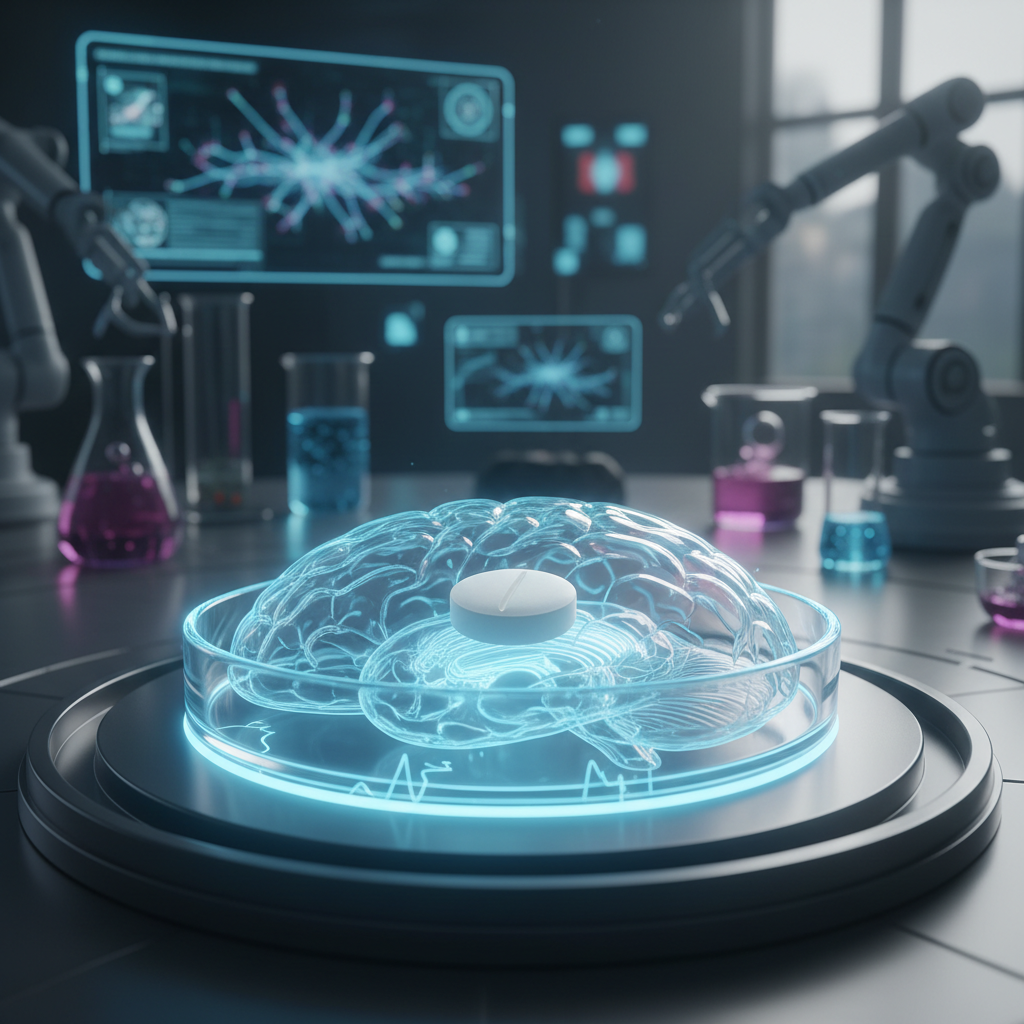
Could microdosing lithium orotate be a novel strategy for combating brain ageing and bolstering cognitive function? We delve into the research.
# Lithium Orotate Microdosing: A New Frontier for Brain Ageing?
As the global population ages, the quest for interventions that can preserve cognitive function and mitigate the ravages of brain ageing has become paramount. While much attention rightly focuses on macro-nutrients and lifestyle factors, a growing body of research is turning to the subtle yet profound impact of trace minerals. Among these, lithium, particularly in its orotate salt form and at microdoses, is garnering significant interest as a potential neuroprotective agent. The notion of microdosing lithium orotate for brain ageing might sound unconventional, but the underlying science, spanning decades, offers a compelling narrative.
Lithium, a naturally occurring alkali metal, has a long-standing, albeit complex, history in medicine. For over 70 years, lithium carbonate has been a cornerstone treatment for bipolar disorder, known for its mood-stabilising properties. However, these therapeutic doses (typically 900-2100 mg daily, yielding 0.6-1.2 mEq/L serum lithium) come with a narrow therapeutic window and a significant side-effect profile, necessitating regular blood monitoring. This has often overshadowed its potential benefits at much lower, nutritional doses.
### The Allure of Microdosing and Orotate Delivery
The concept of "microdosing" lithium refers to the use of extremely low doses, often in the range of 0.3 mg to 20 mg of elemental lithium per day, orders of magnitude below psychiatric prescriptions. At these levels, the aim is not to achieve systemic pharmacological effects associated with mood stabilisation, but rather to leverage lithium's more subtle, neurotrophic, and anti-inflammatory properties without significant toxicity.
Lithium orotate, specifically, is a salt of lithium bound to orotic acid. Orotic acid is a naturally occurring compound involved in pyrimidine synthesis, and it's hypothesised to enhance the bioavailability and intracellular transport of lithium, potentially allowing lower doses to achieve desired effects compared to other lithium salts. While this enhanced bioavailability is often cited, rigorous comparative human studies are somewhat limited, with much of the evidence being preclinical or anecdotal. Nonetheless, the theoretical advantage of orotate lies in its potential to deliver lithium more efficiently to the brain, which is crucial when considering microdosing for neuroprotection.
### Neuroprotective Mechanisms: Beyond Mood Stabilisation
The mechanisms by which lithium exerts its neuroprotective effects are multifaceted and complex, extending far beyond its well-known impact on mood. Research suggests several key pathways relevant to brain ageing:
* **Glycogen Synthase Kinase-3 Beta (GSK-3β) Inhibition:** This is one of lithium's most studied molecular targets. GSK-3β is a crucial enzyme involved in a multitude of cellular processes, including neuronal plasticity, cell survival, and inflammation. Overactivity of GSK-3β is implicated in neurodegenerative diseases like Alzheimer's and Parkinson's. By inhibiting GSK-3β, lithium can promote neuronal survival, enhance synaptic plasticity, and reduce tau protein hyperphosphorylation, a hallmark of Alzheimer's disease. A 2008 review published in Nature Reviews Neuroscience comprehensively details lithium's role in modulating GSK-3β and its implications for neuroprotection.
* **Brain-Derived Neurotrophic Factor (BDNF) Upregulation:** BDNF is a vital neurotrophin that supports the survival of existing neurons and encourages the growth and differentiation of new neurons and synapses. It plays a critical role in learning, memory, and overall cognitive function. Studies have shown that lithium can increase BDNF levels in various brain regions, thereby promoting neurogenesis and synaptic integrity, processes that typically decline with age. This is a powerful mechanism for combating age-related cognitive decline.
* **Autophagy Promotion:** Autophagy is the cell's natural process of recycling and cleaning out damaged components to promote cellular regeneration and healthy function. In the context of brain ageing and neurodegeneration, impaired autophagy leads to the accumulation of misfolded proteins and cellular debris. Lithium has been shown to induce autophagy, helping clear out pathological protein aggregates, such as amyloid-beta and tau, which are central to Alzheimer's disease pathology. Research published in PubMed highlights lithium's role in stimulating autophagy.
* **Anti-inflammatory and Antioxidant Effects:** Chronic low-grade inflammation and oxidative stress are significant drivers of brain ageing and neurodegenerative diseases. Lithium possesses anti-inflammatory properties, reducing the production of pro-inflammatory cytokines, and exhibits antioxidant effects, protecting neurons from oxidative damage. These actions collectively contribute to a healthier brain microenvironment, less susceptible to age-related damage.
* **Telomere Maintenance:** Some preliminary research suggests that lithium may have a role in preserving telomere length, the protective caps at the ends of chromosomes that shorten with each cell division. Telomere shortening is a key marker of cellular ageing. While this area requires further investigation, it hints at lithium's potential broad-spectrum anti-ageing effects. For other compounds affecting cellular ageing, consider exploring articles on spermidine or urolithin A.
### Clinical Evidence and Epidemiological Insights
While direct clinical trials on lithium orotate microdosing for healthy brain ageing are still emerging, epidemiological studies and some clinical research on low-dose lithium carbonate offer compelling indirect evidence.
* **Drinking Water Studies:** Perhaps the most intriguing evidence comes from population-level studies linking naturally occurring trace levels of lithium in drinking water to reduced rates of dementia and suicide. For example, a 2011 Japanese study found an inverse association between lithium levels in tap water and suicide rates. More directly relevant to brain ageing, a 2017 Danish study published in JAMA Psychiatry observed a dose-dependent reduction in dementia incidence with increasing exposure to lithium in drinking water, even at very low concentrations (around 10-15 µg/L, equivalent to microgrammes per day). These findings, while correlational, suggest a protective effect of chronic, low-level lithium exposure.
* **Mild Cognitive Impairment (MCI) and Alzheimer's Disease:** Several clinical trials, primarily using pharmaceutical-grade lithium carbonate at low to moderate doses, have investigated its impact on MCI and early Alzheimer's. A meta-analysis of these studies indicated that lithium treatment could slow cognitive decline in individuals with MCI and early Alzheimer's disease. These doses are still higher than typical microdoses but lower than those used for bipolar disorder, providing a bridge between psychiatric and nutritional applications. This area of research continues to evolve, as does our understanding of other compounds like NMN in similar contexts.
### Practical Considerations and Safety Profile
When considering lithium orotate microdosing, safety is paramount. While microdoses are generally considered much safer than pharmaceutical doses, it's essential to understand the distinctions and potential interactions.
* **Dosage:** Microdoses typically range from 0.3 mg to 20 mg of elemental lithium per day. Lithium orotate supplements are often labelled with the total salt amount (e.g., 120 mg lithium orotate), which provides approximately 4.8 mg of elemental lithium. It is crucial to check the elemental lithium content when selecting a supplement.
* **Side Effects:** At microdoses, side effects are rare but can include mild nausea, fatigue, or headache, particularly when initiating supplementation. These are typically transient. Unlike pharmaceutical lithium, microdosing generally does not require routine blood level monitoring due to the significantly lower exposure. However, individuals with kidney issues or those on certain medications should exercise caution.
* **Drug Interactions:** Even at low doses, lithium can interact with certain medications, including diuretics, NSAIDs (non-steroidal anti-inflammatory drugs), ACE inhibitors, and certain antidepressants. These interactions can potentially increase lithium levels or exacerbate side effects. Always consult a healthcare professional before starting any new supplement, especially if you are on prescription medication. This is a critical safety note for any supplement or peptide discussed, including BPC-157 or creatine.
* **Kidney Health:** The kidneys are responsible for lithium excretion. While microdoses pose a minimal risk to healthy kidneys, individuals with pre-existing renal impairment should avoid lithium supplementation or proceed only under strict medical supervision. Regular kidney function checks are advisable for anyone considering longer-term use, even at microdoses.
### The Future of Lithium Orotate in Longevity
The potential of lithium orotate microdosing for brain ageing aligns perfectly with the broader longevity paradigm, which seeks to optimise healthspan and prevent age-related diseases rather than merely treating them once they manifest. As our understanding of brain ageing deepens, the multi-targeted actions of lithium – inhibiting GSK-3β, promoting BDNF, enhancing autophagy, and reducing inflammation – position it as a promising agent.
However, it's vital to maintain a balanced perspective. The scientific community eagerly awaits more robust, large-scale, placebo-controlled clinical trials specifically on lithium orotate microdosing in healthy ageing populations. These studies will be crucial for establishing optimal dosages, long-term safety, and definitive efficacy for cognitive enhancement and neuroprotection.
For those interested in comprehensive longevity strategies, integrating dietary interventions, regular resistance training, and perhaps even exploring cold exposure protocols can create a synergistic approach to brain health and overall wellbeing. Lithium orotate may become a valuable piece of this intricate puzzle, offering a relatively accessible and cost-effective means to support brain resilience against the onslaught of time.
### Bottom Line
Lithium orotate microdosing presents an intriguing and increasingly evidence-backed avenue for supporting brain health and potentially mitigating cognitive decline associated with ageing. Its diverse neuroprotective mechanisms, from GSK-3β inhibition to BDNF upregulation and autophagy promotion, position it as a compelling candidate for longevity-focused interventions. While epidemiological data and early clinical findings are encouraging, further dedicated research into microdosing in healthy populations is essential to fully elucidate its benefits and establish clear guidelines.
For individuals considering this approach, prioritising safety, understanding the nuanced differences between lithium forms and dosages, and consulting with a healthcare professional are indispensable steps. As with any supplement, lithium orotate should be viewed as part of a holistic longevity strategy, complementing a healthy lifestyle rather than replacing it.
*Disclaimer: Supplements and peptides are for research purposes only. Always consult a qualified healthcare professional before taking any new supplement or beginning a new health regimen. See our full /legal/disclaimer for more information.*