Lithium Orotate Microdosing: A Strategy for
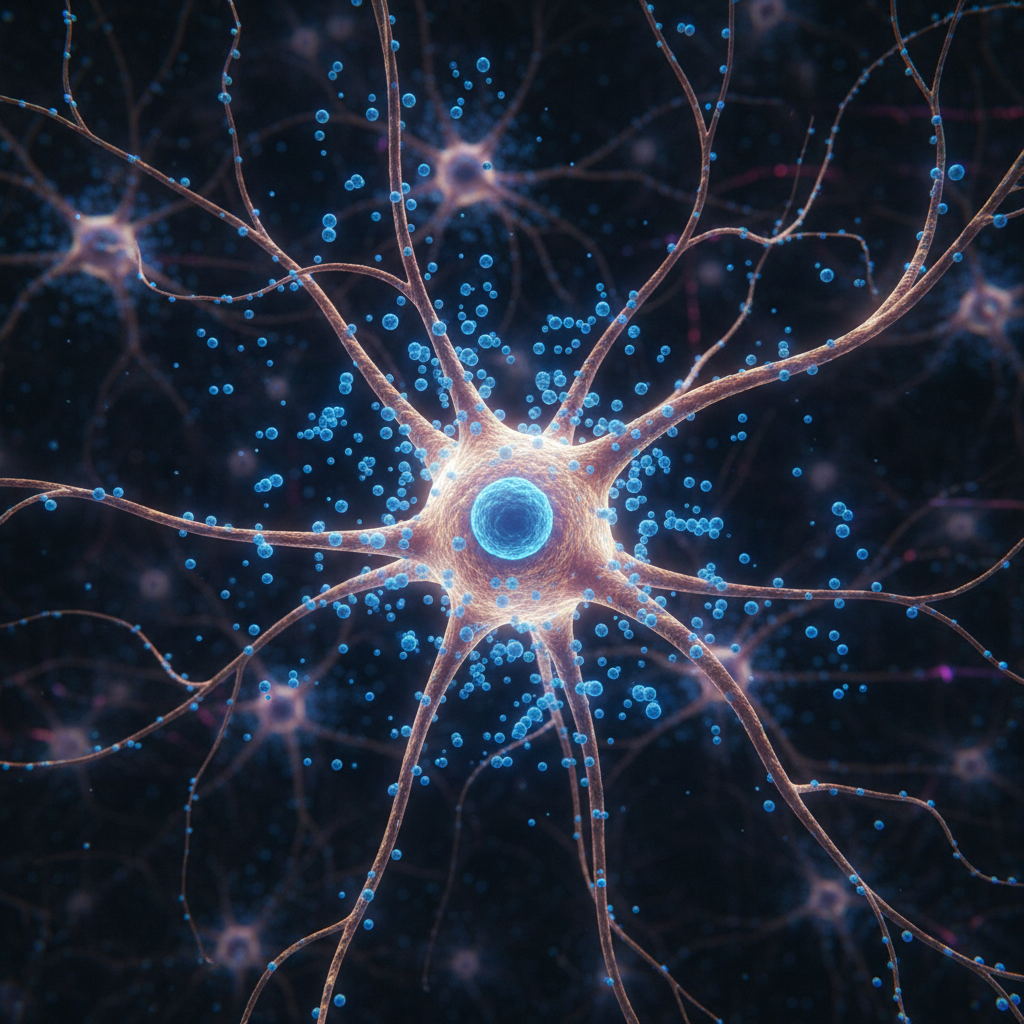
Could microdosing lithium orotate be a promising strategy for supporting brain health and mitigating age-related cognitive decline?
# Lithium Orotate Microdosing: A Strategy for Brain Ageing and Cognitive Health?
The pursuit of cognitive longevity – maintaining sharp mental faculties well into advanced age – is a cornerstone of modern healthspan research. As populations age, the specter of neurodegenerative diseases and age-related cognitive decline looms larger. Against this backdrop, compounds traditionally known for other applications are being re-evaluated for their potential neuroprotective benefits. One such compound gaining considerable attention is lithium, particularly in its orotate salt form, and specifically at microdosing levels, for its putative role in combating brain ageing.
Lithium, a naturally occurring alkali metal, has a well-established history in medicine, primarily for its use as a pharmaceutical agent in the treatment of bipolar disorder at much higher doses (typically 900-1200mg of lithium carbonate, equivalent to 168-225mg elemental lithium). However, emerging research suggests that much lower, 'microdose' levels of lithium, particularly in the form of lithium orotate, might offer neuroprotective and cognitive-enhancing effects without the significant side effects associated with pharmacological doses. The distinction between lithium carbonate and lithium orotate is also crucial, with the latter theorised to have superior bioavailability and cellular penetration, allowing for efficacy at lower doses. This article delves into the science behind microdosing lithium orotate, examining its mechanisms of action, the evidence supporting its use for brain ageing, and the critical considerations for anyone contemplating its inclusion in a longevity regimen.
Understanding Lithium's Neuroprotective Mechanisms
The brain is a complex and metabolically active organ, constantly vulnerable to stressors such as oxidative damage, inflammation, and excitotoxicity, all of which contribute to the ageing process and neurodegeneration. Lithium, even at trace levels, appears to exert a multifaceted neuroprotective effect through several key pathways:
* **Glycogen Synthase Kinase-3 Beta (GSK-3β) Inhibition:** This is perhaps lithium's most well-studied mechanism. GSK-3β is an enzyme involved in numerous cellular processes, including neuronal plasticity, gene expression, and apoptosis. Hyperactivity of GSK-3β is implicated in the pathology of Alzheimer's disease (e.g., tau hyperphosphorylation) and other neurodegenerative conditions. By inhibiting GSK-3β, lithium can help to stabilise mood, promote neurogenesis (the birth of new neurons), and protect existing neurons from damage. * **Autophagy Enhancement:** Autophagy is the body's natural cellular recycling process, clearing out damaged cells and proteins to make way for newer, healthier ones. In neurodegenerative diseases, impaired autophagy leads to the accumulation of toxic protein aggregates (e.g., amyloid-beta plaques in Alzheimer's). Lithium has been shown to induce autophagy, thereby aiding in the removal of these deleterious protein aggregates and promoting cellular health. * **BDNF Upregulation:** Brain-Derived Neurotrophic Factor (BDNF) is a crucial protein that supports the survival of existing neurons and encourages the growth and differentiation of new neurons and synapses. It plays a vital role in learning, memory, and overall cognitive function. Lithium has been observed to increase BDNF levels, fostering neuronal resilience and plasticity. * **Anti-inflammatory and Antioxidant Effects:** Chronic low-grade inflammation and oxidative stress are hallmarks of brain ageing. Lithium exhibits both anti-inflammatory properties, by modulating cytokine production, and antioxidant effects, by enhancing endogenous antioxidant enzymes. These actions help to reduce neuronal damage caused by free radicals and inflammatory mediators.
These intricate mechanisms underscore why lithium, even at microdose levels, holds significant promise for mitigating the various pathways contributing to brain ageing and cognitive decline. While the pharmaceutical doses act more broadly and robustly, the microdosing approach aims to gently nudge these pathways towards a more youthful, resilient state.
Lithium Orotate vs. Other Lithium Salts: Bioavailability and Safety
When discussing lithium for longevity, the form of lithium is a critical distinction. Pharmaceutical lithium is typically prescribed as lithium carbonate or lithium citrate. These forms require precise dosing and monitoring due to a narrow therapeutic window and potential for toxicity, with side effects ranging from gastrointestinal upset to kidney damage and thyroid dysfunction. For more on supplements and their forms, see our guide.
Lithium orotate, on the other hand, is a salt where lithium is bound to orotic acid, a natural compound found in the body. The hypothesis, supported by some animal and *in vitro* studies, is that orotic acid acts as a 'chaperone' for lithium, facilitating its passage across cell membranes, including the blood-brain barrier, more efficiently. This enhanced intracellular uptake theoretically allows for lower doses of elemental lithium to achieve therapeutic effects, thereby reducing the risk of systemic side effects. Proponents of lithium orotate suggest that its superior bioavailability means that a microdose (typically 1-20 mg of elemental lithium per day) can still exert beneficial effects on the brain. This is in stark contrast to the hundreds of milligrams of elemental lithium in pharmaceutical prescriptions.
While this improved bioavailability is a key tenet of the lithium orotate argument, rigorous human studies directly comparing the pharmacokinetics and pharmacodynamics of lithium orotate versus carbonate at microdoses are still somewhat limited. Nonetheless, the appeal lies in the potential for benefit with a significantly reduced side effect profile, making it a more attractive option for a general longevity strategy rather than a disease treatment. Always consult a healthcare professional before considering any new supplement, especially one with a narrow therapeutic window like lithium. [/legal/disclaimer]
Evidence for Microdosing Lithium and Brain Ageing
While large-scale, long-term human trials specifically on lithium orotate microdosing for brain ageing are still emerging, a compelling body of indirect and observational evidence supports its potential:
* **Epidemiological Studies:** Several intriguing studies have linked trace lithium levels in drinking water to reduced rates of suicide, dementia, and improved cognitive function in the general population. For example, a Japanese study found an inverse relationship between lithium levels in tap water and dementia mortality rates across municipalities (Nature Reviews Neurology: *"The role of lithium in brain function and neurodegenerative diseases"* nature.com/articles/nrneurol.2017.159). While these studies don't differentiate between lithium forms, they strongly suggest that even very low environmental exposure to lithium may confer neuroprotective benefits. * **Neurogenesis and Grey Matter Volume:** Studies in humans with higher-dose lithium (for mood stabilisation) have shown increases in hippocampal grey matter volume, a brain region crucial for memory and learning, and enhanced neurogenesis. The question remains whether microdoses can achieve similar, albeit subtler, effects over time. Animal models have indicated that low-dose lithium can indeed promote neurogenesis and improve cognitive performance. * **Protection Against Neurotoxicity:** Preclinical research consistently demonstrates lithium's ability to protect neurons from various insults, including amyloid-beta toxicity (relevant to Alzheimer's disease), excitotoxicity, and oxidative stress. These findings, often using doses far lower than pharmaceutical ranges, support the concept that lithium can act as a general neuroprotective agent. See this article from *Translational Psychiatry* discussing lithium's neuroprotective actions: pubmed.ncbi.nlm.nih.gov/22617300/ * **Mood and Cognitive Enhancement in Healthy Individuals:** Some smaller studies and anecdotal reports suggest that microdosing lithium may improve mood, reduce anxiety, and enhance cognitive flexibility in otherwise healthy individuals. These effects, if consistently demonstrated in larger trials, would be highly relevant to maintaining cognitive health in the context of ageing.
The challenge lies in bridging the gap between epidemiological observations, preclinical data, and definitive clinical trials specifically on microdosed lithium orotate for brain ageing. The mechanisms are robustly supported, but direct evidence at these specific doses for this precise application is still accumulating. The longevity field, however, often explores promising avenues based on mechanistic plausibility and safety profiles, and lithium orotate microdosing fits this description. For those interested in optimising their brain function through other means, exploring cognitive optimisation tools might be beneficial.
Dosage and Safety Considerations for Microdosing Lithium Orotate
When considering lithium orotate microdosing, understanding typical dosages and potential safety aspects is paramount. Microdosing generally refers to elemental lithium intake in the range of 1-20 mg per day, significantly lower than the 150-225 mg elemental lithium found in prescription doses for mood disorders. Most commercially available lithium orotate supplements typically provide 5-10 mg of elemental lithium per capsule.
While lithium orotate is generally considered safer than other lithium salts at microdoses, it is not without considerations:
* **Individual Variability:** Response to lithium can vary significantly between individuals due to genetic factors, kidney function, and other physiological differences. What constitutes a 'microdose' for one person might be more impactful for another. * **Kidney and Thyroid Function:** Even at low doses, individuals with pre-existing kidney or thyroid conditions should exercise extreme caution and definitely consult their doctor. Regular monitoring of kidney function (creatinine, eGFR) and thyroid hormones (TSH, free T3, free T4) is advisable for anyone considering long-term lithium supplementation, regardless of dose. * **Interactions with Medications:** Lithium can interact with a range of medications, including diuretics, NSAIDs, ACE inhibitors, and certain antidepressants, potentially altering its levels or increasing side effects. Always discuss any existing medications with a healthcare professional before starting lithium. * **Over-supplementation:** While rare at microdoses, excessive intake could lead to lithium toxicity, symptoms of which include nausea, vomiting, diarrhoea, tremor, confusion, and ataxia. Always adhere strictly to recommended doses and avoid 'megadosing.' * **Lack of Long-Term Microdosing Data:** While short-term microdosing appears well-tolerated, the effects of very long-term (decades) consistent microdosing of lithium orotate on healthy individuals are not yet fully elucidated through extensive clinical trials. This is an area where ongoing research is crucial. For information on other supplements with better long-term data, see our comprehensive guide on supplements.
Given these considerations, self-prescription of lithium orotate, even at microdoses, should be approached with caution. It is always recommended to discuss any potential supplementation with a qualified healthcare provider who can assess individual risk factors and monitor for any adverse effects. They may also suggest baseline and periodic blood tests to ensure safety. This is particularly true for supplements with systemic effects, which is why we offer a disclaimer for all such discussions.
Integrating Lithium Orotate into a Longevity Strategy
For those cautiously optimistic about the potential of lithium orotate microdosing for brain ageing, its integration into a broader longevity strategy should be holistic and informed. It's crucial to remember that no single supplement is a magic bullet, and foundational lifestyle interventions remain paramount for cognitive health.
A comprehensive brain health strategy typically includes:
* **Optimised Nutrition:** A diet rich in antioxidants, healthy fats (e.g., omega-3s like those found in omega-3 supplements), and whole foods supports neuronal health. Specific nutrients like B vitamins, magnesium perhaps via magnesium glycinate, and creatine creatine are also critical for brain function. * **Regular Physical Activity:** Exercise, particularly Zone 2 cardio and resistance training, has profound benefits for brain health, including improved blood flow, neurogenesis, and reduced inflammation. * **Adequate Sleep:** High-quality sleep is essential for memory consolidation, waste clearance from the brain, and overall cognitive restoration. Tools for sleep optimization can help here. * **Stress Management:** Chronic stress can impair cognitive function and accelerate brain ageing. Practices like meditation, mindfulness, and sufficient downtime are vital. * **Cognitive Engagement:** Continuously challenging the brain through learning new skills, puzzles, and social interaction helps maintain neural plasticity.
Within this framework, lithium orotate microdosing could potentially act as a synergistic agent, supporting these foundational efforts by enhancing neuroprotection, promoting cellular clean-up (autophagy), and fostering neuronal resilience. It's akin to reinforcing the structural integrity of a building that is already being well-maintained and cared for. Rather than a standalone intervention, view it as a potential adjunct to an already robust longevity protocol.
When considering starting, begin with the lowest effective dose (e.g., 1-5 mg elemental lithium) and observe your body's response. While lithium orotate is not regulated as a drug, sourcing from reputable manufacturers who provide third-party testing for purity and potency is essential. Long-term safety data for microdosing lithium orotate is still evolving, therefore, ongoing monitoring with a healthcare professional remains the most prudent approach. For broader insights into healthspan, consider utilising AI tools for biomarker insights to track your progress and adjust your strategy.
The Future of Lithium in Longevity Medicine
The scientific community's interest in lithium, particularly at sub-pharmacological doses, for longevity and neuroprotection is undeniably growing. The understanding of its multi-target mechanisms — involving GSK-3β, autophagy, BDNF, and inflammatory pathways — paints a picture of a versatile molecule with significant potential to counteract hallmarks of brain ageing.
Future research will likely focus on several key areas:
* **Large-scale Human Trials:** Rigorous, double-blind, placebo-controlled trials specifically investigating the long-term cognitive and neuroprotective effects of microdosed lithium orotate in healthy ageing populations are needed to provide definitive evidence. These studies would help establish optimal dosing, efficacy, and long-term safety profiles. * **Biomarker Identification:** Identifying specific biomarkers (e.g., changes in neuroinflammatory markers, protein aggregate levels, or neuroimaging indicators) that respond to microdosed lithium would help personalise treatment and monitor efficacy. * **Comparative Studies:** Direct comparisons of lithium orotate's bioavailability and efficacy against other lithium forms at microdose levels would clarify its purported advantages. * **Genetic Predisposition:** Research into genetic factors that influence an individual's response to lithium could help tailor recommendations for those most likely to benefit.
As our understanding of brain ageing deepens, the role of trace elements like lithium will likely become increasingly recognised. The shift from treating overt disease to proactive prevention and healthspan optimisation characterises modern longevity medicine. Microdosing lithium orotate represents one of many promising avenues within this evolving landscape, offering a potential tool to bolster the brain's resilience against the inexorable march of time, but one that demands careful consideration and informed application.
Bottom Line
Microdosing lithium orotate for brain ageing is a fascinating and emerging area within longevity science. Mechanistically, lithium shows robust neuroprotective potential through GSK-3β inhibition, autophagy enhancement, BDNF upregulation, and anti-inflammatory effects. While epidemiological and preclinical data are promising, large-scale human clinical trials specifically on microdosed lithium orotate for cognitive ageing are still relatively nascent.
For individuals considering this approach, it should be viewed as a potential adjunctive strategy within a comprehensive brain health regimen that prioritises diet, exercise, sleep, and stress management. Due to individual variability and potential interactions, consultation with a healthcare professional is strongly recommended before commencing any lithium supplementation, especially for long-term use. The future holds promise for further elucidation of lithium's role in promoting a healthier, sharper ageing brain. [/legal/disclaimer]