Lp(a) Elevated? What to Do: An Evidence-Based
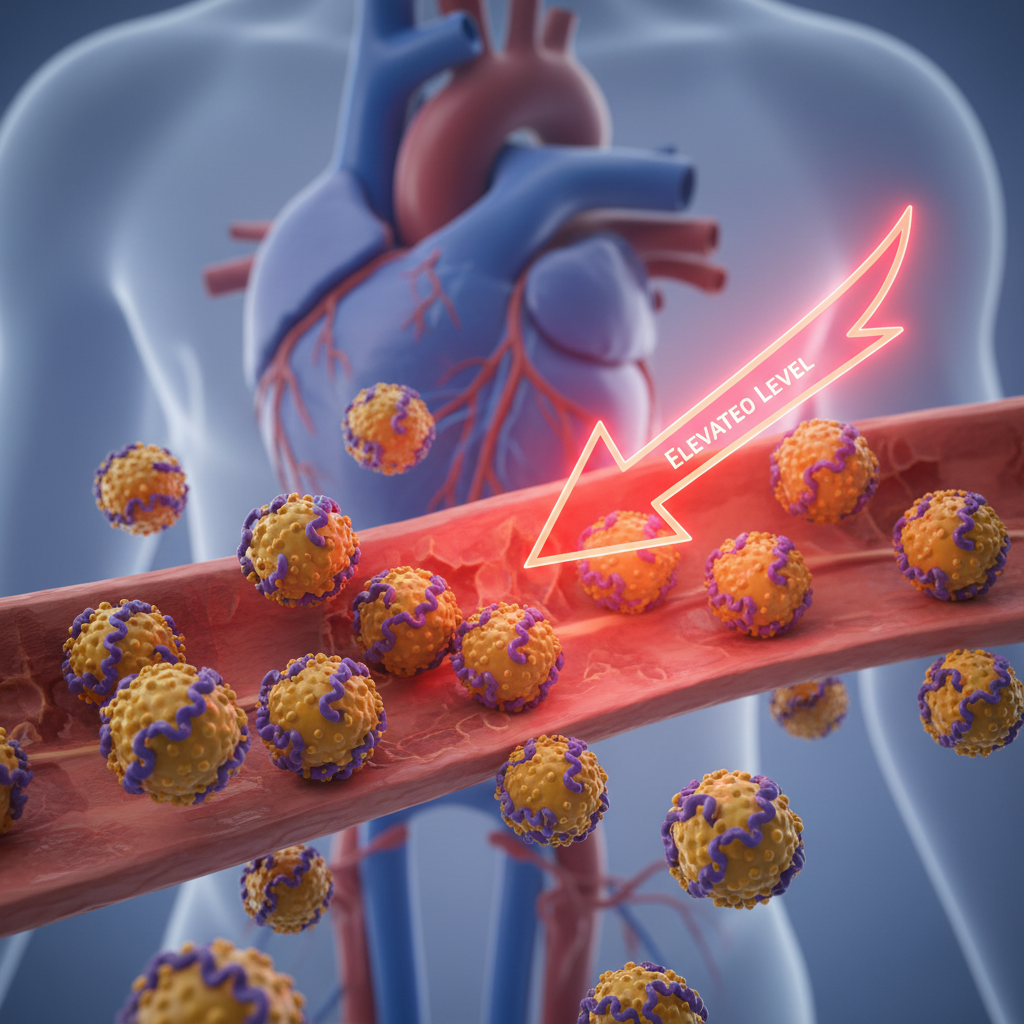
Understanding and managing elevated Lipoprotein(a) (Lp(a)) is crucial for cardiovascular health and longevity. This guide explores evidence-based strategies.
# Lp(a) Elevated? What to Do: An Evidence-Based Longevity Guide
For decades, cardiovascular disease (CVD) has remained a leading cause of morbidity and mortality worldwide. While we’re familiar with traditional risk factors like LDL cholesterol, blood pressure, and diabetes, a lesser-known yet equally potent player is gaining increasing attention: Lipoprotein(a), or Lp(a). This complex lipid particle, often referred to as ‘Lp little a’, is a highly atherogenic and prothrombotic factor, largely determined by genetics, and its elevation significantly amplifies your risk of heart attack, stroke, and aortic valve stenosis.
At Longevity Stack, our mission is to empower you with evidence-first insights for a longer, healthier life. Understanding Lp(a) and, critically, knowing what to do if your levels are elevated, is paramount to safeguarding your cardiovascular healthspan. Unlike LDL, Lp(a) is not directly influenced by diet and exercise in the same way, making its management a unique challenge. However, emerging research and therapeutic strategies offer promising avenues for intervention.
Understanding Lipoprotein(a): The Genetic Rogue
Lipoprotein(a) is structurally similar to LDL cholesterol, but with an additional protein called apolipoprotein(a) [apo(a)] covalently linked to apolipoprotein B-100. This apo(a) component gives Lp(a) its unique pathogenic properties. The size of the apo(a) isoform is genetically determined and inversely correlated with Lp(a) concentration: smaller isoforms are associated with higher Lp(a) levels and, consequently, higher risk. Approximately 20% of the global population has elevated Lp(a), typically defined as concentrations above 50 mg/dL (or 125 nmol/L), though optimal thresholds are still debated and often individually assessed.
Why is it so dangerous? Lp(a) combines the atherogenic properties of LDL – depositing cholesterol in arterial walls – with prothrombotic and pro-inflammatory effects due to its structural resemblance to plasminogen, a key protein in clot dissolution. This dual threat makes it a formidable contributor to plaque formation and instability, leading to severe cardiovascular events. Critically, Lp(a) levels are predominantly genetic, meaning they are largely unaffected by lifestyle modifications that typically lower LDL-C, such as diet and exercise. This genetic predisposition underscores the importance of screening, especially for those with a family history of premature CVD.
Why Test Your Lp(a) and Interpret the Results
Given its genetic nature and potent impact on cardiovascular risk, testing for Lp(a) is increasingly recommended, particularly in specific populations. The European Atherosclerosis Society (EAS) and other expert bodies advocate for at least one measurement of Lp(a) in a person's lifetime to identify those at high risk. You should definitely consider testing if you have:
- A family history of premature cardiovascular disease (e.g., heart attack or stroke before age 55 for men, 65 for women).
- A personal history of cardiovascular disease, especially with otherwise well-controlled traditional risk factors.
- Familial hypercholesterolaemia.
- Recurrent cardiovascular events despite optimal medical therapy.
- Intermediate or high cardiovascular risk based on conventional risk assessment tools.
Lp(a) can be measured via a simple blood test. Results are typically reported in milligrams per decilitre (mg/dL) or nanomoles per litre (nmol/L). While there’s no universally agreed-upon ‘safe’ level, concentrations above 50 mg/dL (or ~125 nmol/L) are generally considered elevated and indicative of increased risk. Some experts even suggest lower thresholds for optimal longevity. Crucially, as Lp(a) levels are stable throughout life, a single measurement is usually sufficient.
Lifestyle Optimisation: The Foundational Pillar (With Nuances)
While lifestyle changes won’t dramatically lower your Lp(a) levels, they remain the cornerstone of cardiovascular disease prevention. For individuals with elevated Lp(a), optimising traditional risk factors becomes even more critical to mitigate overall risk. Think of it as controlling the variables you *can* influence while acknowledging the one you can’t directly.
- **Diet:** Focus on a heart-healthy dietary pattern, such as the Mediterranean diet, rich in fruits, vegetables, whole grains, lean proteins, and healthy fats. This helps manage LDL cholesterol, blood pressure, and blood glucose, thereby reducing your *total* cardiovascular risk burden. Reducing saturated and trans fats, and increasing fibre, remains paramount. For more on optimising metabolic health through diet, explore our content on time-restricted eating.
- **Exercise:** Regular physical activity, including a combination of aerobic and resistance training, improves endothelial function, lowers blood pressure, and helps maintain a healthy weight. Aim for at least 150 minutes of moderate-intensity or 75 minutes of vigorous-intensity aerobic exercise per week, complemented by strength training on two or more days. Incorporating zone 2 cardio can be particularly beneficial for mitochondrial health.
- **Weight Management:** Achieving and maintaining a healthy body weight can significantly improve other cardiovascular risk factors, such as blood pressure and insulin sensitivity, thereby indirectly reducing the impact of high Lp(a).
- **Smoking Cessation & Alcohol Moderation:** These are non-negotiable. Smoking severely damages blood vessels and exacerbates CVD risk. Excessive alcohol intake contributes to hypertension and other metabolic issues.
While these strategies won't directly lower Lp(a), they form a robust defence by lowering other risk factors, ensuring your overall cardiovascular risk profile is as favourable as possible.
Supplements and Pharmacological Interventions
For those with significantly elevated Lp(a), particularly in the context of existing CVD or high overall risk, pharmacological interventions become a key consideration. The landscape of Lp(a)-lowering therapies is rapidly evolving.
### Current Approaches:
* **PCSK9 Inhibitors:** Medications like evolocumab and alirocumab, typically used to lower LDL-C, have been shown to reduce Lp(a) by 20-30%. This effect is a beneficial ‘off-target’ action, making them a valuable option for patients with high Lp(a) and elevated LDL-C. These are typically administered via injection. Several clinical trials have demonstrated significant reductions in cardiovascular events with these agents. (PubMed Link) * **Niacin (Vitamin B3):** High-dose extended-release niacin can reduce Lp(a) by 20-30%, but its use has declined due to side effects (flushing, gastrointestinal upset) and the lack of a proven cardiovascular benefit in combination with statins in large trials. Its risk-benefit profile for Lp(a) lowering alone is generally not favoured in current practice. * **Aspirin:** While not an Lp(a)-lowering agent, low-dose aspirin may be considered in high-risk individuals to reduce the prothrombotic risk associated with elevated Lp(a), under the guidance of a cardiologist.
### Emerging Therapies (Future Landscape):
This is where the most exciting developments are occurring. These therapies specifically target the production of apo(a), leading to substantial Lp(a) reductions:
* **Antisense Oligonucleotides (ASOs):** Pelacarsen (formerly TQJ230) is an investigational ASO that inhibits the synthesis of apo(a) in the liver. Clinical trials have shown it can reduce Lp(a) by up to 80% or more. This represents a significant breakthrough, and large outcome trials are currently underway to confirm its cardiovascular benefit. (Nature Link) * **Small Interfering RNAs (siRNAs):** Olpasiran and Zilebesiran are examples of siRNAs that also target apo(a) mRNA, leading to profound and sustained reductions in Lp(a) levels. Similar to ASOs, these are in advanced clinical development, with impressive early results.
These targeted therapies hold immense promise for individuals with very high Lp(a) and high residual cardiovascular risk, offering a new frontier in personalised prevention. Always consult your healthcare provider to discuss whether these options are suitable for your individual circumstances. [/legal/disclaimer]
The Role of Other Supplements and Lifestyle Factors
While no supplement has been conclusively shown to significantly lower Lp(a) like emerging drugs, some may indirectly support cardiovascular health, which is particularly important when Lp(a) is elevated. Remember, these are adjunctive strategies and should not replace medical advice.
- **Omega-3 Fatty Acids:** High-dose omega-3 fatty acids (EPA/DHA) are known for their anti-inflammatory effects and ability to lower triglycerides. While they don't directly impact Lp(a), their overall cardiovascular benefits are well-documented. Learn more about omega-3.
- **Vitamin D:** Maintaining optimal vitamin D levels is important for overall health, including cardiovascular function. Some research suggests a potential, albeit modest, inverse association between vitamin D levels and Lp(a), but more robust evidence is needed for direct causation.
- **Coenzyme Q10 (CoQ10):** Often recommended for individuals on statins, CoQ10 is an antioxidant that supports mitochondrial function. Its direct impact on Lp(a) is minimal, but it contributes to general cardiovascular well-being.
- **Garlic Extract:** Some studies have hinted at a small reduction in Lp(a) with aged garlic extract, but the evidence is not strong enough to recommend it as a primary Lp(a)-lowering strategy.
### Addressing Inflammation and Endothelial Health
Lp(a) is intrinsically linked to inflammation and endothelial dysfunction. Therefore, strategies that promote a healthy endothelium and reduce systemic inflammation are valuable:
- **Regular Exercise:** As mentioned, exercise improves endothelial function.
- **Adequate Sleep:** Poor sleep quality and quantity increase systemic inflammation and cardiovascular risk. Prioritise 7-9 hours of quality sleep nightly. Tools like wearables can help track and optimise your sleep.
- **Stress Management:** Chronic stress contributes to inflammation and hypertension. Incorporate stress-reducing practices like mindfulness, meditation, or spending time in nature.
- **Antioxidant-rich Diet:** Emphasise colourful fruits and vegetables to combat oxidative stress.
For more comprehensive approaches to enhancing resilience and supporting cellular health, consider exploring topics like spermidine or urolithin A, though their direct impact on Lp(a) is not established.
Future Perspectives and Personalised Risk Management
The future of Lp(a) management is bright, with highly specific and potent therapies on the horizon. As these come to market, a personalised approach will become even more critical, integrating genetic predisposition, existing cardiovascular risk factors, and patient preferences.
At Longevity Stack, we believe in proactive health management. Understanding your Lp(a) levels is a significant step towards this. If your levels are elevated, it’s not a cause for panic, but a crucial piece of information that empowers you and your healthcare team to develop a targeted strategy. This may involve intensifying lifestyle modifications to control other risk factors, considering existing therapies like PCSK9 inhibitors, or discussing participation in clinical trials for novel Lp(a)-lowering drugs. Continuous dialogue with your GP and, ideally, a lipid specialist or cardiologist, is essential.
Remember that Lp(a) is just one factor in a complex equation. A holistic view, encompassing your entire metabolic profile, lifestyle, and genetic background, is always necessary for comprehensive longevity planning. We encourage you to utilise resources like our biological age tools and biomarker insights to gain a deeper understanding of your overall health metrics.
Bottom line
Elevated Lp(a) is a significant and often overlooked genetic risk factor for cardiovascular disease. While its levels are largely unmodifiable by conventional lifestyle changes, understanding your Lp(a) status allows for a proactive and tailored risk reduction strategy. This involves rigorously optimising all other traditional cardiovascular risk factors through diet, exercise, and healthy lifestyle choices, alongside considering existing pharmacological treatments like PCSK9 inhibitors.
The horizon is promising, with novel, highly effective Lp(a)-specific therapies nearing approval. If your Lp(a) is elevated, engage with your healthcare provider to develop a comprehensive plan that leverages current knowledge and prepares you for future advancements, safeguarding your heart and extending your healthspan. Stay informed, stay proactive, and take control of your cardiovascular destiny. [/legal/disclaimer]