Optimising Omega-3 EPA:DHA Ratio for Peak Brain
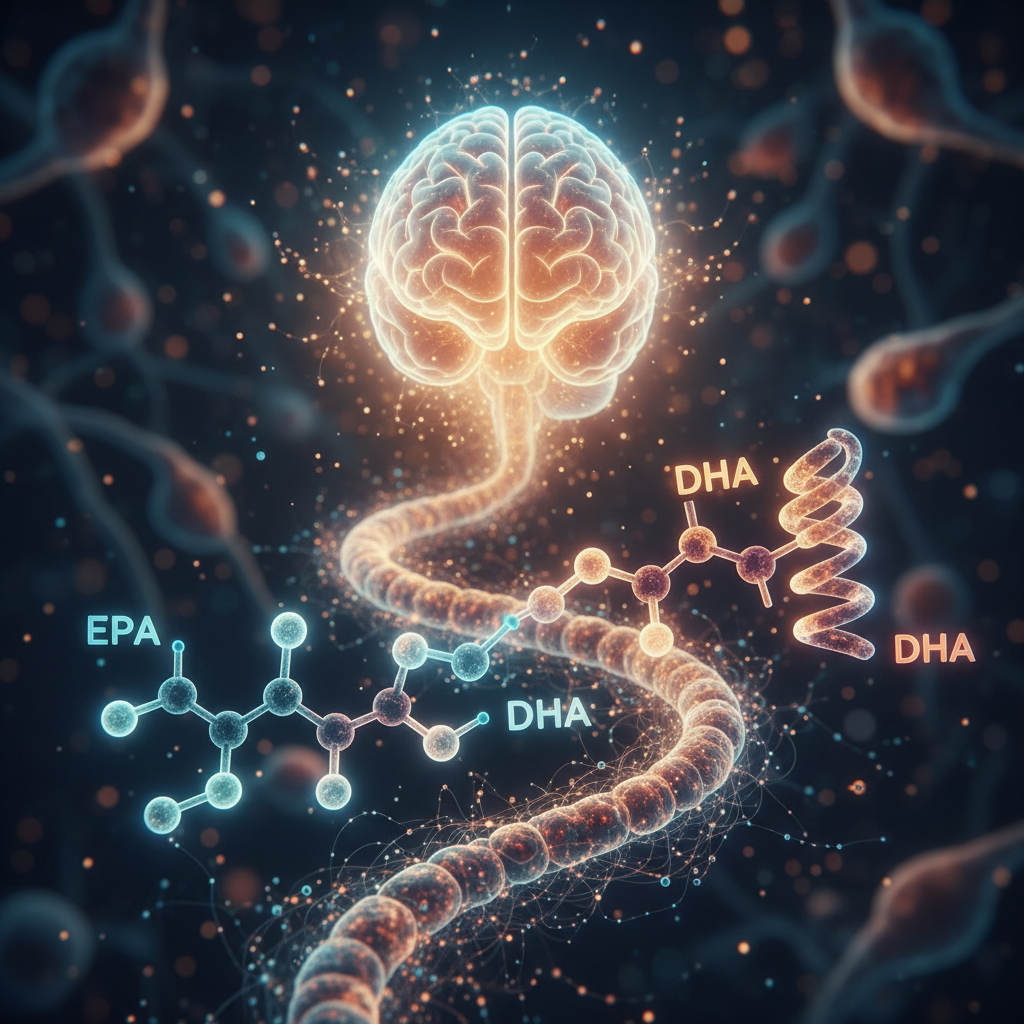
Understanding the precise balance of EPA and DHA in omega-3 supplements is crucial for maximising cognitive benefits and supporting overall brain health.
# Optimising Omega-3 EPA:DHA Ratio for Peak Brain Health
In the ever-evolving landscape of nutritional science, omega-3 fatty acids stand out as crucial components for human health, particularly for the brain. While the benefits of omega-3s are widely acknowledged, a more nuanced understanding has emerged regarding the specific roles of their primary active constituents: eicosapentaenoic acid (EPA) and docosahexaenoic acid (DHA). It's no longer just about supplementing with omega-3s; it's about understanding and optimising the **omega-3 EPA DHA ratio for brain health**.
For decades, DHA was primarily championed as the cornerstone of brain function due to its abundance in neural membranes. However, contemporary research points to EPA's significant, and often distinct, contributions to cognitive function, mood regulation, and neuroprotection. This article delves into the latest evidence surrounding EPA and DHA, exploring their individual mechanisms and interactions, and ultimately providing insights into how to achieve the optimal ratio for enhancing and protecting your brain.
The Fundamental Roles of EPA and DHA in the Brain
EPA and DHA are long-chain polyunsaturated fatty acids (PUFAs) that are critically important for brain structure and function. They cannot be produced efficiently by the human body and must be obtained through diet or supplementation. While both are integral, their primary roles often differ:
* **DHA (Docosahexaenoic Acid):** This is the most abundant omega-3 fatty acid in the brain, making up approximately 10-20% of the dry weight of the cerebral cortex. DHA is a structural component of neuronal membranes, influencing membrane fluidity, signal transduction, and neurogenesis. Its high concentration in the retina also highlights its importance for visual acuity. DHA plays a key role in brain development, particularly during foetal and early childhood stages, and is vital for maintaining cognitive function throughout life. It's involved in learning, memory, and executive functions.
* **EPA (Eicosapentaenoic Acid):** While less abundant structurally in the brain compared to DHA, EPA exerts powerful effects through its anti-inflammatory and signalling properties. EPA is a precursor to eicosanoids, signalling molecules that regulate inflammation, blood clotting, and other physiological processes. In the brain, EPA's anti-inflammatory actions are particularly relevant, as chronic low-grade neuroinflammation is implicated in various neurodegenerative diseases and mood disorders. EPA also influences neurotransmitter systems, such as serotonin and dopamine, which are critical for mood regulation and cognitive performance.
The interplay between these two fatty acids is complex. DHA’s structural role provides the foundation, while EPA's modulatory functions fine-tune the brain's environment, promoting resilience and optimal functioning. Understanding this dynamic is key to leveraging omega-3s effectively for brain health. This is why mere total omega-3 intake might not be enough; the ratio matters considerably. For those looking to support overall brain health, beyond just omega-3s, other supplements like creatine have also shown cognitive benefits.
Understanding the EPA:DHA Ratio and Its Cognitive Impact
Historically, many omega-3 supplements prioritised DHA due to its structural prominence in the brain. However, a growing body of research suggests that a higher EPA content, relative to DHA, might offer distinct advantages, particularly concerning mood and certain cognitive functions. This shift in perspective is largely driven by studies exploring the anti-inflammatory properties of EPA.
Chronic inflammation in the brain, often referred to as neuroinflammation, is a significant contributor to cognitive decline, depression, and other neurological disorders. EPA is metabolised into eicosanoids that have potent anti-inflammatory effects, directly counteracting the pro-inflammatory pathways that can harm neuronal health. DHA, while also possessing anti-inflammatory properties, tends to have a more direct structural role. Therefore, an adequate supply of EPA seems crucial for mitigating neuroinflammatory processes.
Several clinical trials have investigated different EPA:DHA ratios for various cognitive endpoints. For instance, studies on depression, a condition closely linked to neuroinflammation and neurotransmitter dysregulation, often show superior outcomes with formulations higher in EPA. An analysis published in *Translational Psychiatry* highlighted that omega-3 supplements with a higher EPA:DHA ratio were more effective in reducing depressive symptoms than those with a higher DHA content, particularly in individuals with more severe depression [pubmed.ncbi.nlm.nih.gov/24056262/]. This suggests a direct neuro-modulatory role for EPA beyond its anti-inflammatory actions. Likewise, research into how specific cognitive functions are supported by various supplements often illustrates the nuanced effects of different compounds.
Mood Regulation and Neuroprotection: The EPA Advantage
Beyond general cognitive function, the EPA:DHA ratio plays a critical role in mood regulation and providing neuroprotection. There's compelling evidence that EPA has a more direct impact on mental well-being, particularly in mitigating symptoms of depression and anxiety. This is primarily attributed to EPA's influence on the serotonin system and its anti-inflammatory actions.
- **Serotonin Modulation:** EPA has been shown to enhance serotonin synthesis and release, and to increase the sensitivity of serotonin receptors. Serotonin is a key neurotransmitter involved in mood, sleep, appetite, and emotional well-being. Deficiencies or imbalances in serotonin are strongly associated with depression and anxiety disorders. DHA, while important, doesn't appear to exert the same direct modulatory effect on serotonin pathways as EPA.
- **Anti-inflammatory Mechanisms:** As discussed, chronic inflammation is a major driver of mood disorders and neurodegeneration. EPA effectively reduces the production of pro-inflammatory cytokines and other inflammatory mediators in the brain. By dampening this inflammatory cascade, EPA helps to create a healthier neurochemical environment, which is conducive to improved mood and cognitive resilience. This protective mechanism is vital for long-term brain health and for warding off age-related cognitive decline. This anti-inflammatory action also contributes to overall metabolic health, a topic explored in further detail in articles discussing metabolic health.
- **Neuroprotection:** Both EPA and DHA contribute to neuroprotection, but through slightly different mechanisms. DHA, by forming a structural component of neuronal membranes, enhances membrane integrity and function, making neurons more resilient to oxidative stress and excitotoxicity. EPA, through its anti-inflammatory effects, protects neurons from damage inflicted by inflammatory processes and can support the regeneration of neural tissue. The combination offers comprehensive protection. For instance, some research on BPC-157 suggests similar protective and regenerative effects in different contexts.
The nuances of these roles mean that for individuals primarily concerned with mood disorders or managing neuroinflammation, a higher EPA:DHA ratio may be more beneficial. However, for foundational brain structure and development, DHA remains indispensable.
Optimal Ratios for Specific Brain Health Goals
Determining the 'optimal' EPA:DHA ratio is not a one-size-fits-all endeavour; it largely depends on individual health goals and specific neurological concerns. While generally a balanced intake is recommended, targeted approaches may require specific ratios:
* **General Cognitive Support and Maintenance:** For overall brain health, cognitive function, and prophylactic measures against age-related decline, a moderately higher DHA content or an approximate 1:1 to 1:2 EPA:DHA ratio is often recommended. This ensures an adequate supply of DHA for structural integrity while providing sufficient EPA for its anti-inflammatory and mood-regulating benefits. Many high-quality fish oil supplements are formulated with this balance in mind, ensuring a good baseline of both fatty acids.
* **Mood Disorders (e.g., Depression, Anxiety):** For individuals experiencing symptoms of depression or anxiety, research consistently points towards higher EPA:DHA ratios. Ratios of 2:1, 3:1, or even higher EPA to DHA have shown greater efficacy in clinical trials for mood stabilisation and antidepressant effects. The emphasis here is on EPA's potent anti-inflammatory and neurotransmitter-modulating properties. The anti-inflammatory effects of EPA are also indirectly supported by practices like regular sauna use, which is known to reduce systemic inflammation – a key component of the Longevity Stack's protocols.
* **Neuroinflammatory Conditions and Neuroprotection:** In conditions where neuroinflammation is a significant factor, such as certain neurodegenerative diseases or chronic pain, a higher EPA ratio may also be beneficial. EPA's ability to reduce inflammatory cytokines and support a healthier brain environment can be crucial for slowing disease progression and improving symptoms. It's important to note that while omega-3s are beneficial, they are not a cure, and should be part of a broader management strategy.
* **Pregnancy and Early Childhood Development:** During pregnancy and breastfeeding, DHA is paramount for fetal and infant brain and eye development. Therefore, supplements targeting this demographic typically have a much higher DHA content, often with EPA in smaller amounts or no less than a 1:2 to 1:4 EPA:DHA ratio. While EPA is safe, the developmental needs prioritise DHA. This is why women trying to conceive or who are pregnant are usually advised to ensure adequate DHA intake.
It is always advisable to consult with a healthcare professional to determine the most appropriate ratio and dosage based on your individual health needs and medical history. Factors such as diet, existing health conditions, and medications can influence the ideal omega-3 strategy. For broader health planning, tools like a longevity score can help contextualise such decisions.
Dietary Sources vs. Supplementation: Ensuring Optimal Intake
While supplementation provides a convenient and often concentrated dose of omega-3s, it's crucial to acknowledge the role of dietary sources and how they contribute to your overall EPA and DHA intake. Integrating rich dietary sources alongside informed supplementation can help you achieve ideal levels.
**Dietary Sources:**
* **Fatty Fish:** The richest natural sources of both EPA and DHA are fatty, cold-water fish such as salmon, mackerel, sardines, herring, and anchovies. These fish consume microalgae that produce omega-3s, concentrating them in their tissues. Aim for at least two servings of fatty fish per week (approximately 140g per serving) to maximise dietary intake. * **Algae:** For vegetarians and vegans, certain types of algae can be a direct source of DHA, and to a lesser extent, EPA. Algal oil supplements are also widely available and provide a plant-based alternative to fish oil. * **Fortified Foods:** Some foods, such as eggs, milk, and certain yoghurts, are fortified with omega-3s. However, the amounts are often lower and the EPA:DHA ratios can vary significantly. * **Alpha-Linolenic Acid (ALA):** Plant-based sources like flaxseeds, chia seeds, walnuts, and rapeseed oil contain ALA, a short-chain omega-3 fatty acid that the body can convert into EPA and DHA. However, this conversion process is highly inefficient (typically less than 10% for EPA and even less for DHA), meaning ALA alone is not sufficient to meet optimal long-chain omega-3 requirements for brain health.
**Supplementation Considerations:**
When choosing an omega-3 supplement, attention to the EPA:DHA ratio on the label is paramount. Look for supplements that clearly state the amounts of EPA and DHA per serving, not just the total omega-3 quantity. The form of omega-3 also matters; triglyceride-form fish oils are generally better absorbed than ethyl ester forms. For example, some individuals exploring advanced cognitive support may also look into NMN as part of a broader supplementation strategy. Always refer to dosage guidelines on the product or consult a healthcare professional.
*Disclaimer: Supplements, including omega-3s, should be used under professional guidance. Always consult with a healthcare provider before starting any new supplement regimen, especially if you have underlying health conditions or are taking other medications. For more information, please see our /legal/disclaimer.*
Monitoring Your Omega-3 Index: A Personalised Approach
To truly optimise your omega-3 EPA:DHA ratio for brain health, a personalised approach is invaluable. This often involves monitoring your Omega-3 Index, a measure of the percentage of EPA and DHA in your red blood cell membranes. This provides a robust and reliable indicator of your long-term omega-3 status, reflecting tissue levels rather than just recent dietary intake.
* **What is the Omega-3 Index?** Developed by Dr. William Lands and Dr. Clemens von Schacky, the Omega-3 Index is expressed as a percentage of total fatty acids in red blood cell membranes. An Omega-3 Index of 8% or higher is considered optimal and is associated with a lower risk of cardiovascular disease and better overall health outcomes, including superior brain health. An index below 4% indicates deficiency and a higher risk.
* **Why Monitor?** Genetic variations, dietary habits, body weight, and lifestyle factors can all influence how efficiently your body absorbs and utilises omega-3s. Monitoring your index allows you to: * **Assess Baseline Status:** Understand your current omega-3 levels. * **Tailor Dosage:** Adjust your supplement dosage and/or dietary intake to achieve and maintain an optimal range. * **Track Progress:** Verify that your chosen intervention — be it dietary changes, increased fish consumption, or supplementation with specific EPA:DHA ratios — is effectively raising your omega-3 levels. * **Personalise Ratios:** While the index measures total EPA + DHA, discussing your specific cognitive or mood goals with a healthcare provider can help you strategically tailor your supplement's EPA:DHA ratio once you know your baseline. They might recommend specific high-EPA formulations if your goal is primarily mood support, even if your total omega-3 index is satisfactory.
* **How to Get Tested:** Several commercial labs offer Omega-3 Index testing (often via a simple finger-prick blood sample). Discuss this option with your GP or a nutritionist. For those interested in tracking various biomarkers, our platform offers biomarker insights that can help interpret such results within a broader health context.
By taking a data-driven approach through Omega-3 Index testing, you move beyond generic recommendations to a truly personalised strategy for enhancing and protecting your brain with the right balance of EPA and DHA. This empirical evidence is crucial for making informed decisions on supplements and dietary adjustments.
The Longevity Implications of an Optimal EPA:DHA Ratio
The profound impact of omega-3 fatty acids, and specifically their EPA:DHA ratio, extends far beyond acute cognitive function and mood; they are deeply intertwined with the overarching goals of healthspan and longevity. Maintaining an optimal omega-3 status contributes to a resilient brain that is better equipped to withstand the challenges of ageing.
* **Reducing Neurodegeneration Risk:** Chronic inflammation and oxidative stress are hallmarks of neurodegenerative diseases such as Alzheimer's and Parkinson's. The anti-inflammatory and antioxidant properties of EPA and DHA, particularly when balanced appropriately, help to mitigate these pathological processes. By preserving neuronal integrity and reducing the accumulation of harmful proteins, an optimal EPA:DHA ratio can contribute to a lower risk of cognitive decline in later life. This protective effect aligns with broader longevity research, where interventions that reduce inflammation are consistently linked to extended healthspan.
* **Maintaining Cerebrovascular Health:** Brain health is intricately linked to cardiovascular health. EPA and DHA contribute to healthy blood flow by improving endothelial function, reducing blood pressure, and preventing plaque formation. Optimised cerebrovascular health ensures that the brain receives a consistent supply of oxygen and nutrients, essential for optimal cognitive performance and neuronal survival. This is a critical component of healthy aging and aligns with strategies like time-restricted eating which also supports cardiovascular benefits.
* **Supporting Neuroplasticity:** The brain's ability to adapt and form new connections (neuroplasticity) is vital for learning, memory, and cognitive resilience throughout life. Both EPA and DHA play roles in promoting neuroplasticity, with DHA being crucial for membrane fluidity and structural changes, and EPA supporting the environment necessary for these changes to occur. By fostering a brain that remains adaptable, an optimal omega-3 ratio supports long-term cognitive vitality.
* **Impact on Mood and Social Well-being:** As individuals age, maintaining good mental health becomes increasingly important for quality of life. The mood-regulating effects of an optimised EPA:DHA ratio, particularly higher EPA, can help prevent or ameliorate age-related depression and anxiety, contributing to better social engagement and overall well-being. This comprehensive benefit underscores why attention to the omega-3 ratio is not just about isolated cognitive boosts, but about fostering a robust and resilient brain for a longer, healthier life.
Integrating the scientifically supported approach to omega-3 intake, with careful consideration of the EPA:DHA ratio, is a fundamental pillar in any proactive longevity strategy. Together, these fatty acids are powerful allies in the pursuit of sustained cognitive excellence and extended healthspan. Individuals interested in holistic longevity optimisation may also explore various protocols like cold exposure alongside their supplement regimen.
Bottom Line
The scientific literature increasingly underscores that the **omega-3 EPA DHA ratio for brain health** is not merely a detail, but a critical determinant of efficacy. While DHA is paramount for structural integrity and foundational cognitive processes, EPA exhibits distinct advantages in mood regulation, anti-inflammatory actions, and neuroprotection. The optimal ratio is context-dependent, with higher EPA concentrations often favoured for mood disorders and neuroinflammatory conditions, and a more balanced or slightly higher DHA for general cognitive maintenance and development.
Achieving this optimal balance involves a strategic combination of dietary sources and targeted supplementation, ideally guided by personal biomarker data like the Omega-3 Index. By paying meticulous attention to this ratio, individuals can unlock the full potential of omega-3s, fostering enhanced cognitive function, improved mood, and greater neurobiological resilience, ultimately contributing to a richer and longer healthspan.