Thymalin and Thymosin Alpha-1: Key Peptides in
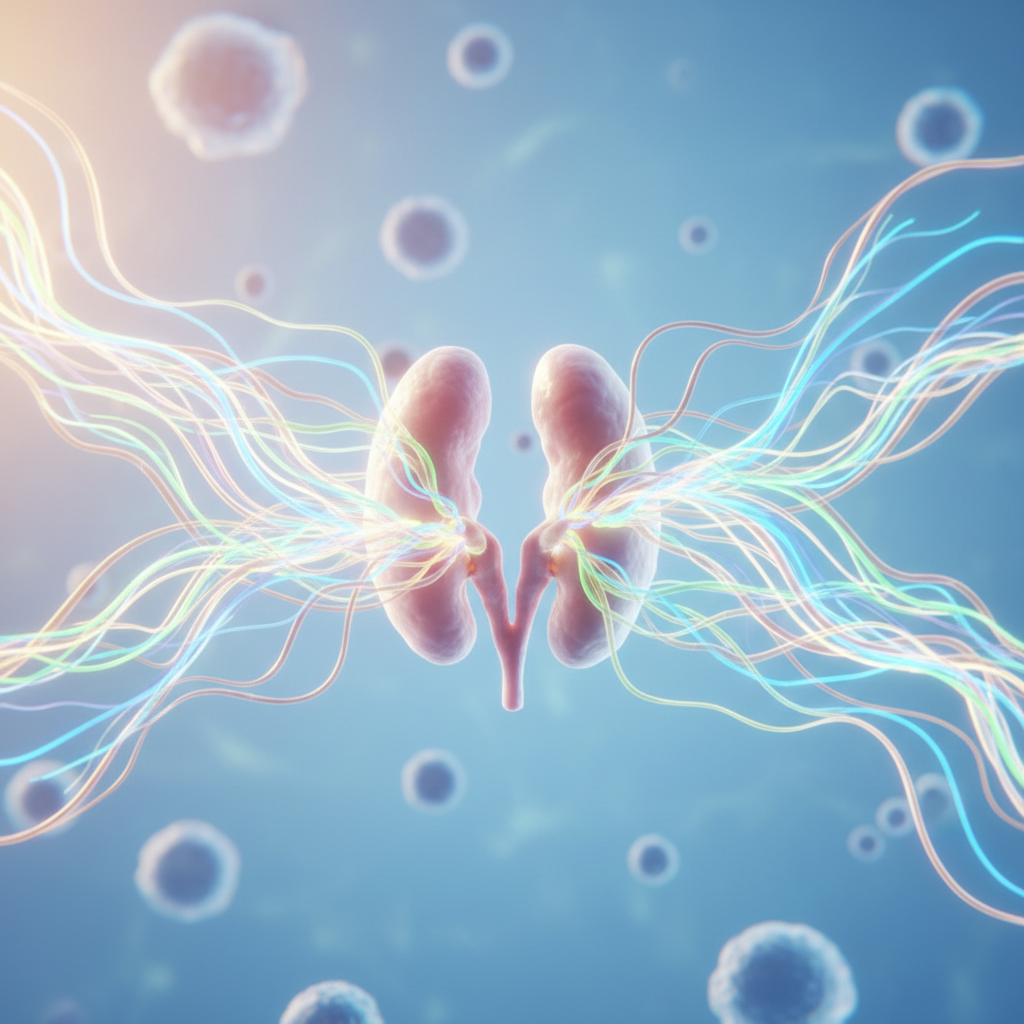
Discover how Thymalin and Thymosin Alpha-1 offer promising avenues for mitigating immune ageing and bolstering immune function as we get older.
# Thymalin and Thymosin Alpha-1: Key Peptides in Immune Ageing Management
As we age, our immune system undergoes a gradual, yet profound, decline – a process known as immunosenescence. This age-related deterioration renders us more susceptible to infections, autoimmune disorders, and various forms of cancer. While this phenomenon is a natural consequence of biological ageing, emerging research points towards therapeutic interventions that can mitigate its impact. Among the most promising contenders in this field are the peptides Thymalin and Thymosin Alpha-1, both derived from the thymus gland, a central organ in immune development and function. Understanding their mechanisms and potential applications is crucial for anyone seeking to enhance their healthspan and resilience against age-related immune challenges.
The thymus, located behind the sternum, is responsible for the maturation of T-lymphocytes, the adaptive immune system's primary cellular defence. Its activity peaks during childhood and adolescence, after which it progressively atrophies, a process termed thymic involution. This involution is a major driver of immunosenescence, leading to a reduced output of naive T-cells and a compromised ability to respond to new pathogens. The peptides Thymalin and Thymosin Alpha-1 are believed to counteract aspects of this decline by supporting thymic function and modulating immune responses.
The Role of the Thymus in Immune Ageing
To appreciate the significance of Thymalin and Thymosin Alpha-1, one must first grasp the critical role of the thymus. The thymus is not merely a lymphoid organ; it is an endocrine gland that produces a suite of hormones, collectively known as thymic peptides. These peptides are essential for the differentiation, maturation, and functional programming of T-cells. T-cells are the workhorses of the adaptive immune system, responsible for directly killing infected cells, coordinating immune responses, and remembering past infections.
With age, the thymus shrinks dramatically, replaced largely by adipose tissue. This thymic involution results in a diminished capacity to produce new, diverse T-cell populations. Consequently, the elderly often exhibit a restricted T-cell receptor repertoire, meaning they have fewer 'fresh' T-cells capable of recognising novel pathogens. This is why older individuals are disproportionately affected by new viral strains, show reduced efficacy of vaccines, and experience chronic low-grade inflammation, often referred to as 'inflammaging'.
Immunosenescence is characterised by:
- **Decreased T-cell output:** Fewer naive T-cells are generated, leading to a narrower range of pathogen recognition.
- **Accumulation of senescent T-cells:** These cells are pro-inflammatory and less effective at pathogen clearance.
- **Dysregulated cytokine production:** An imbalance in signalling molecules can lead to chronic inflammation.
- **Impaired antibody responses:** Reduced efficacy of B-cell function, diminishing vaccine effectiveness.
Addressing these age-related changes is a cornerstone of longevity medicine. Peptides like Thymalin and Thymosin Alpha-1 offer a potential pathway to bolster thymic activity and counteract some of these detrimental effects, thereby improving overall immune competence. For a broader understanding of peptide science, explore our comprehensive peptides guide.
Thymalin: A Bioregulator Peptide from the Thymus
Thymalin is a naturally occurring peptide complex, isolated from the bovine thymus. It is primarily composed of short-chain peptides, with a particular focus on the dipeptide Lys-Glu (Lysyl-Glutamyl). While often discussed in conjunction with Thymosin Alpha-1, Thymalin is distinct in its composition and historical development, having been extensively researched in Russia and Eastern Europe since the 1970s. Its primary mechanism of action revolves around its ability to restore the functional activity of T-lymphocytes and normalise the balance of helper/suppressor T-cells.
Research indicates that Thymalin works by stimulating the production of various thymic hormones and promoting the maturation of T-cell precursors within the thymus. This leads to an increased output of functional T-cells, enhancing both cellular and humoral immunity. It has been investigated for a wide range of conditions involving immune suppression or dysregulation, including:
- **Chronic infections:** By boosting T-cell responses.
- **Post-operative immune recovery:** Accelerating normalisation of immune parameters.
- **Oncology:** As an adjunct therapy to improve immune surveillance and reduce treatment side effects.
- **Age-related immune decline:** Directly targeting immunosenescence.
Studies have shown that Thymalin can normalise immunological parameters in elderly patients, leading to reduced incidence of respiratory infections and improved overall well-being. Its use is often advocated for its non-toxic profile and its ability to act as a bioregulator, guiding the immune system back towards a homeostatic state rather than simply stimulating it indiscriminately. For more on how peptides contribute to health, read about epitalon, another bioregulatory peptide.
Thymosin Alpha-1: A Potent Immunomodulator
Thymosin Alpha-1 (TA1), marketed as Zadaxin, is a synthetic version of a naturally occurring 28-amino acid peptide originally isolated from fraction 5 of bovine thymus extract. Unlike Thymalin, TA1 is a single, well-defined peptide with a specific sequence. It is widely recognised for its potent immunomodulatory properties, particularly its ability to enhance T-cell function and cytokine production, making it a valuable tool in conditions where immune function is compromised.
TA1's mechanism of action is multifaceted. It primarily acts on T-lymphocytes, promoting their maturation and differentiation. It also stimulates the production of various cytokines, including interferons and interleukins, which are crucial for orchestrating immune responses. Furthermore, TA1 has been shown to enhance the activity of natural killer (NK) cells, another important component of innate immunity, and to support the function of dendritic cells, which are pivotal in initiating adaptive immune responses.
Key applications and benefits of Thymosin Alpha-1 include:
- **Hepatitis B and C:** Approved in several countries for chronic viral hepatitis, where it boosts antiviral immunity.
- **Sepsis:** Investigated for its ability to modulate the immune response and reduce mortality in severe infections.
- **Cancer immunotherapy:** Used as an adjuvant to enhance the efficacy of conventional cancer treatments and improve immune surveillance. It may improve the patient's ability to mount an effective anti-tumour response.
- **Vaccine potentiation:** Enhancing the immune response to vaccines, particularly relevant for the elderly.
- **Immunocompromised states:** Improving immune function in patients with compromised immune systems due to various diseases or treatments.
Its capacity to restore and enhance immune responses makes TA1 a significant player in anti-ageing strategies, aiming to re-establish a more youthful and robust immune profile. A deeper dive into other immune-boosting strategies can be found in our article on thymalin.
Comparing Thymalin and Thymosin Alpha-1 for Immune Ageing
While both Thymalin and Thymosin Alpha-1 originate from the thymus and share the overarching goal of modulating immune function, there are distinct differences in their composition, primary research focus, and clinical applications.
| Feature | Thymalin | Thymosin Alpha-1 | |---------------------|----------------------------------------------|-----------------------------------------------------| | **Composition** | Complex of short-chain peptides, primarily Lys-Glu | Single 28-amino acid peptide, synthetically produced | | **Origin** | Bovine thymus extract | Synthetic version of a naturally occurring peptide | | **Primary Action** | Normalises T-cell activity, restores helper/suppressor balance | Potent immunomodulator, enhances T-cell maturation and cytokine production | | **Research Focus** | Russia, Eastern Europe; general immune restoration | Western medicine; specific viral diseases, cancer, sepsis | | **Clinical Status** | Widely used as a bioregulator in many regions | Approved drug (Zadaxin) for specific indications |
For addressing immune ageing specifically, both peptides offer complementary benefits. Thymalin, with its complex nature, is often viewed as a more holistic bioregulator, aiming to restore overall thymic and immune system balance. Thymosin Alpha-1, on the other hand, provides a targeted and potent boost to T-cell-mediated immunity, particularly beneficial in situations requiring a strong, directed immune response against pathogens or abnormal cells.
Many researchers believe that a combinatorial approach, potentially leveraging the strengths of both peptides, could yield superior outcomes in comprehensive immune restoration for age-related decline. The choice between them, or the decision to use both, often depends on the specific immunological deficits being targeted and the individual's overall health profile. External research on Thymosin Alpha-1's role in immune modulation can be found here.
Practical Considerations and Research Outlook
The administration of both Thymalin and Thymosin Alpha-1 typically involves subcutaneous injections, though oral forms and transdermal patches are also being explored for certain applications, particularly for Thymalin. Dosing regimens vary considerably depending on the specific peptide, the condition being addressed, and individual response. It is paramount that any use of these peptides is under the guidance of a qualified medical professional. Please consult our disclaimer for further information.
The scientific community continues to explore the full therapeutic potential of these peptides. Future research is likely to focus on:
- **Optimised dosing strategies:** Identifying the most effective and safe dosages for specific age-related immune challenges.
- **Combination therapies:** Investigating synergistic effects when used with other longevity interventions, such as NMN or Urolithin A, which also target cellular health.
- **Biomarkers of response:** Developing reliable markers to predict who will best respond to peptide therapy and monitor treatment efficacy.
- **Mechanistic insights:** Delving deeper into the molecular pathways through which these peptides exert their effects, potentially uncovering new therapeutic targets.
The growing understanding of the intricate interplay between the immune system and the ageing process positions peptides like Thymalin and Thymosin Alpha-1 at the forefront of healthspan extension research. Their ability to potentially rejuvenate the immune system offers a tangible strategy for mitigating the debilitating effects of immunosenescence, paving the way for a healthier, more resilient older age. Further studies on Thymalin's effects on immunosenescence are available on PubMed.
Synergistic Strategies for Immune Longevity
Beyond peptide therapy, a holistic approach to immune longevity involves several other established strategies that can work synergistically with Thymalin and Thymosin Alpha-1. These include lifestyle interventions, targeted supplementation, and other advanced protocols, all designed to support robust immune function as we age.
- **Nutrition:** A diet rich in micronutrients, antioxidants, and anti-inflammatory compounds is fundamental. Adequate intake of vitamins C, D, and E, zinc, and selenium are particularly important for immune cell function. Avoiding ultra-processed foods and excessive sugar intake reduces chronic inflammation, a major driver of immunosenescence.
- **Physical Activity:** Regular, moderate exercise, such as zone 2 cardio and resistance training, has been shown to improve immune surveillance, reduce systemic inflammation, and enhance the function of immune cells. Over-training, however, can be counterproductive.
- **Sleep Optimisation:** Chronic sleep deprivation significantly impairs immune function. Prioritising 7-9 hours of quality sleep per night is crucial for immune cell regeneration and cytokine balance. Tools for sleep optimization can be invaluable here.
- **Stress Management:** Chronic stress elevates cortisol levels, which can suppress immune responses. Practices like meditation, yoga, and mindfulness can help mitigate stress and support immune resilience.
- **Targeted Supplementation:** Certain supplements can further support immune health. For instance, Vitamin D plays a critical role in immune modulation, while Omega-3 fatty acids have anti-inflammatory properties. NAC and glycine are precursors to glutathione, a powerful antioxidant essential for immune cells. For a detailed guide, refer to our supplements section.
- **Cold Exposure:** Emerging research suggests that controlled cold exposure can stimulate the immune system, increase white blood cell counts, and reduce inflammation, contributing to overall immune robustness. You can read more about its benefits in external scientific literature.
By integrating these strategies, individuals can create a comprehensive defence against immune ageing, potentially amplifying the benefits derived from peptides like Thymalin and Thymosin Alpha-1. This multi-faceted approach underscores the complexity and interconnectedness of longevity interventions.
Bottom line
Immune ageing is an inevitable yet modifiable aspect of the human lifespan. Peptides such as Thymalin and Thymosin Alpha-1 represent significant advances in our ability to counteract immunosenescence, offering targeted support for the thymus and overall immune function. While distinct in their composition and primary applications, both contribute to enhancing the resilience and competence of the immune system in older age.
Further research will undoubtedly refine our understanding of these powerful peptides, yet current evidence strongly supports their role in modulating immune responses, improving vaccine efficacy, and potentially mitigating age-related susceptibility to disease. Integrating these peptide therapies with a robust longevity-focused lifestyle offers a compelling strategy for maintaining a youthful and vigilant immune system, crucial for extending healthspan and improving quality of life.