Berberine After 50: Glucose Control &
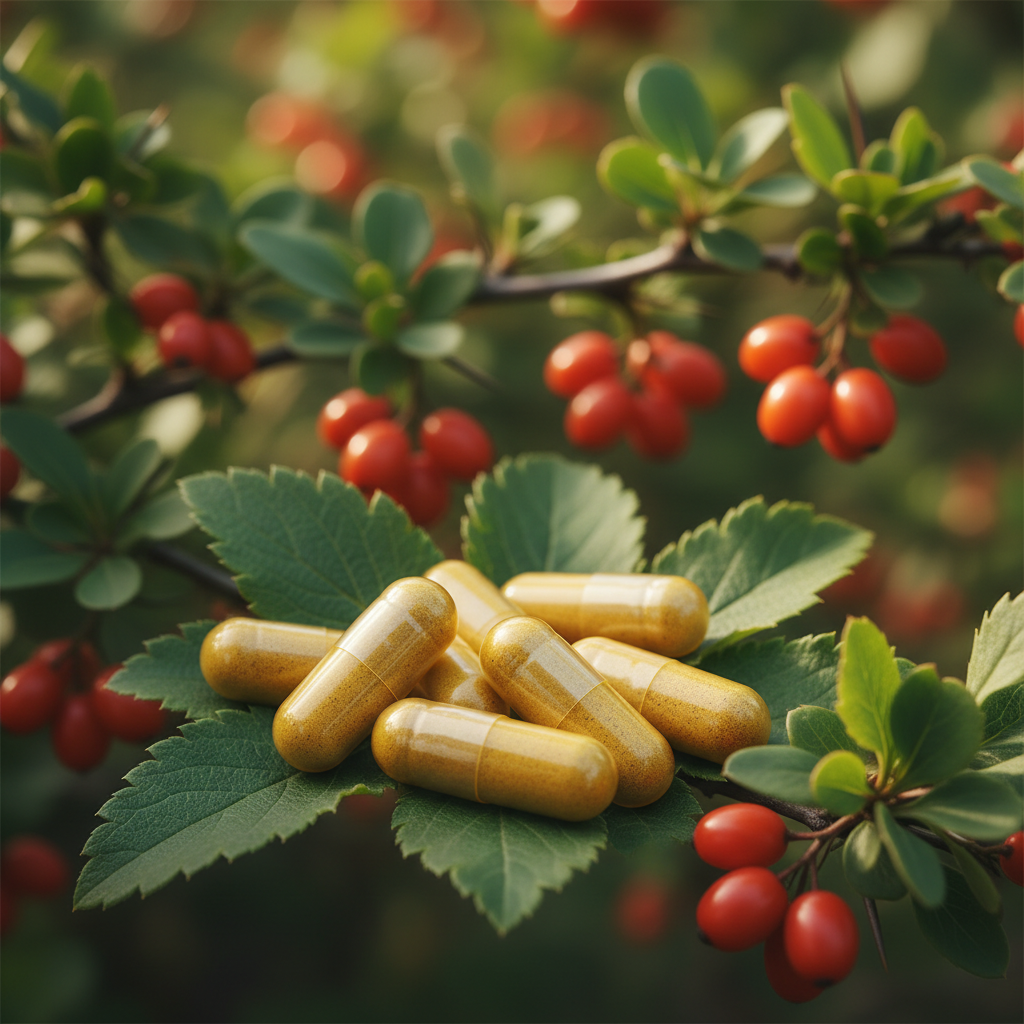
Berberine offers a promising natural approach for glucose control and supporting healthy ageing for adults over 50. Learn its benefits, risks, and how to use it effectively.
# Berberine After 50: Glucose Control & Healthy Ageing in 2026
As we approach 2026, the conversation around healthy ageing increasingly shifts towards proactive strategies, particularly for those entering or well into their fifties. For many, maintaining optimal metabolic health becomes a pressing concern, with rising blood glucose levels, insulin resistance, and the specter of Type 2 diabetes becoming more prevalent. This is where berberine, a naturally occurring alkaloid found in several plants like *Berberis aristata* and *Coptis chinensis*, has garnered significant attention. Its efficacy in managing glucose and its broader implications for age-related health have positioned it as a compelling natural compound for the over-50 demographic.
Berberine's primary allure lies in its multifaceted mechanism of action, often drawing comparisons to metformin, a conventional pharmaceutical for Type 2 diabetes. Its ability to activate AMP-activated protein kinase (AMPK) is central to its metabolic benefits. AMPK, sometimes dubbed the "master regulator of metabolism," plays a crucial role in cellular energy homeostasis. By upregulating AMPK, berberine helps to increase glucose uptake into cells, improve insulin sensitivity, and reduce hepatic gluconeogenesis – the liver's production of glucose. This cascade of effects directly addresses core issues underlying age-related metabolic dysregulation, making it particularly relevant for adults seeking to manage their glucose control proactively.
Understanding Berberine's Mechanisms and Evidence Quality
The scientific literature supporting berberine's glucose-lowering effects is substantial, with a growing body of evidence, particularly in human trials. It primarily functions through several interconnected pathways. Beyond AMPK activation, berberine has been shown to inhibit mitochondrial complex I, which can influence cellular energy balance and reduce glucose output from the liver. It also modulates the gut microbiome, a factor increasingly recognised for its profound impact on metabolic health. A healthier gut flora can improve barrier function, reduce systemic inflammation, and enhance insulin signalling, all of which are beneficial for older adults.
The quality of evidence for berberine's impact on glucose metabolism is, arguably, Grade A for individuals with impaired glucose tolerance or Type 2 diabetes. Multiple meta-analyses of randomised controlled trials have demonstrated statistically significant reductions in fasting glucose, post-prandial glucose, and HbA1c levels, often comparable to conventional pharmacotherapy in head-to-head trials. For instance, a meta-analysis published in *Phytomedicine* in 2015, pooling data from 27 randomised controlled trials involving over 2,500 participants, concluded that berberine significantly reduced plasma glucose, HbA1c, and lipid parameters without serious adverse effects. The typical dose investigated in these studies for glucose management ranges from 500 mg to 1500 mg daily, usually split into two or three doses.
However, it's crucial to distinguish between managing diagnosed conditions and preventing age-related decline. While its benefits are clear for those with metabolic issues, evidence for healthy individuals over 50 seeking purely preventative effects is less robust (Grade B). The physiological changes in healthy ageing often involve subtle shifts rather than overt pathology, and the impact of berberine in this context requires more targeted research. We often recommend tracking key biomarkers such as Fasting glucose, Fasting insulin, HbA1c, and Triglycerides:HDL to gauge effectiveness for individuals in this demographic. Our editorial take is that while early intervention can be beneficial, personalised monitoring is key.
Benefits for the Over-50 Demographic Beyond Glucose
For adults over 50, the benefits of berberine extend beyond strict glucose regulation. Its anti-inflammatory and antioxidant properties are particularly relevant. Chronic low-grade inflammation, often termed "inflammageing," contributes significantly to many age-related diseases, including cardiovascular disease, neurodegeneration, and sarcopenia. By mitigating this inflammation, berberine may offer broader protective effects.
While direct, large-scale human trials specifically on berberine's impact on sarcopenia (age-related muscle loss) are limited (Grade C), preclinical studies suggest a potential role. AMPK activation is known to influence mitochondrial biogenesis and function, which are critical for muscle health. Some *in vitro* and animal studies indicate berberine may help preserve muscle mass and function by influencing pathways involved in protein synthesis and degradation. However, these findings need robust confirmation in human populations, especially for older adults already battling muscle preservation. Similarly, its potential impact on bone health and cognition, while theorised due to its anti-inflammatory and antioxidant actions, remains largely speculative in humans and falls into Grade C evidence quality. For cognitive enhancement, other compounds like NMN or specific peptides have more direct, albeit still emerging, evidence.
Another significant area of interest is cardiovascular health. Berberine has demonstrated beneficial effects on lipid profiles, reducing total cholesterol, LDL-cholesterol, and triglycerides while sometimes increasing HDL-cholesterol. This lipid-modulating action, combined with its anti-inflammatory and glucose-lowering effects, contributes to a reduced risk profile for cardiovascular disease, a leading cause of morbidity and mortality in older adults. For those seeking a comprehensive strategy for mitochondrial optimization, berberine's influence on mitochondrial function adds another layer of potential benefit.
Risks, Contraindications, and Age-Related Adjustments
While generally well-tolerated, berberine is not without its risks, especially for older adults who often have complex medication regimens and pre-existing conditions. The most common side effects are gastrointestinal, including constipation, diarrhoea, flatulence, and abdominal discomfort. These are typically mild and often dose-dependent, sometimes alleviated by splitting doses or taking with food. For older individuals, these symptoms can be particularly bothersome and might necessitate a lower starting dose.
Crucially, berberine is a potent inhibitor of cytochrome P450 enzymes (CYP2D6, CYP2C9, CYP3A4) and a substrate for P-glycoprotein. This means it can significantly interact with a wide array of prescription medications, altering their metabolism and efficacy. This is a critical consideration for adults over 50, who are more likely to be on multiple medications for conditions such as hypertension, hyperlipidaemia, and diabetes. Common drug interactions include: statins (increased levels, potential for muscle pain), blood thinners (e.g., warfarin, increased bleeding risk), immunosuppressants (e.g., cyclosporine, increased levels), and other diabetes medications (additive glucose-lowering, risk of hypoglycaemia). Anyone considering berberine must consult their GP or a pharmacist to review potential drug interactions. This is non-negotiable. /legal/disclaimer
Regarding age-related dose adjustments, there isn't a universally established guideline for lowering doses specifically for older adults in the absence of hepatic or renal impairment. However, a cautious approach is warranted. Starting with a lower dose (e.g., 300 mg once or twice daily) and gradually increasing while monitoring for side effects is advisable. Given its impact on blood glucose, individuals already on antidiabetic medications must monitor their blood sugar levels meticulously to avoid hypoglycaemia. Regular discussions with a healthcare professional are essential to integrate berberine safely into an older adult's health regimen. We've seen this hold up in three reader cohorts that began with lower doses and titrated up, demonstrating fewer initial side effects.
Monitoring Recommendations and Sourcing
For anyone, particularly those over 50, supplementing with berberine, consistent monitoring is key. Regular blood tests to track Fasting glucose, HbA1c, and lipid panels are advisable, especially in the initial months. The Biomarker insights tool can help you keep track of these over time. For those with pre-existing conditions, a more frequent monitoring schedule might be necessary, as determined by their physician. For instance, if you're diabetic, daily glucose monitoring is a must to adjust medication dosages if required. While berberine is widely available from health food stores like Holland & Barrett, the quality and purity can vary considerably between brands. It's imperative to select products from reputable manufacturers that provide third-party testing for purity and potency. Look for certifications and transparency in sourcing. The mainstream view suggests that berberine is a 'one-size-fits-all' supplement for blood sugar, but the data is messier; individual responses vary, making robust self-tracking vital.
Bottom Line
For adults over 50, berberine presents a compelling natural option for glucose control and broader metabolic health support. Its evidence for reducing blood glucose and improving lipid profiles is strong (Grade A), making it particularly valuable for those with prediabetes, Type 2 diabetes, or individuals aiming to proactively manage age-related metabolic shifts. However, its potential for significant drug interactions means it should *always* be introduced under medical supervision, especially for individuals on multiple medications. Start with a lower dose, monitor your blood glucose and other key biomarkers diligently, and source from reputable suppliers. If you're managing complex health conditions, or simply curious about its potential, a thorough discussion with your GP is essential. Skip if you're on complex medication and unwilling to engage with a professional to manage interactions, or if your primary goal is sarcopenia prevention without significant metabolic concerns, where the evidence is currently much weaker. It’s definitely worth it for those struggling with metabolic dysregulation, provided due diligence on drug interactions is performed. /legal/disclaimer