Biological Age Tests: Horvath vs. GlycanAge – A Deep Dive
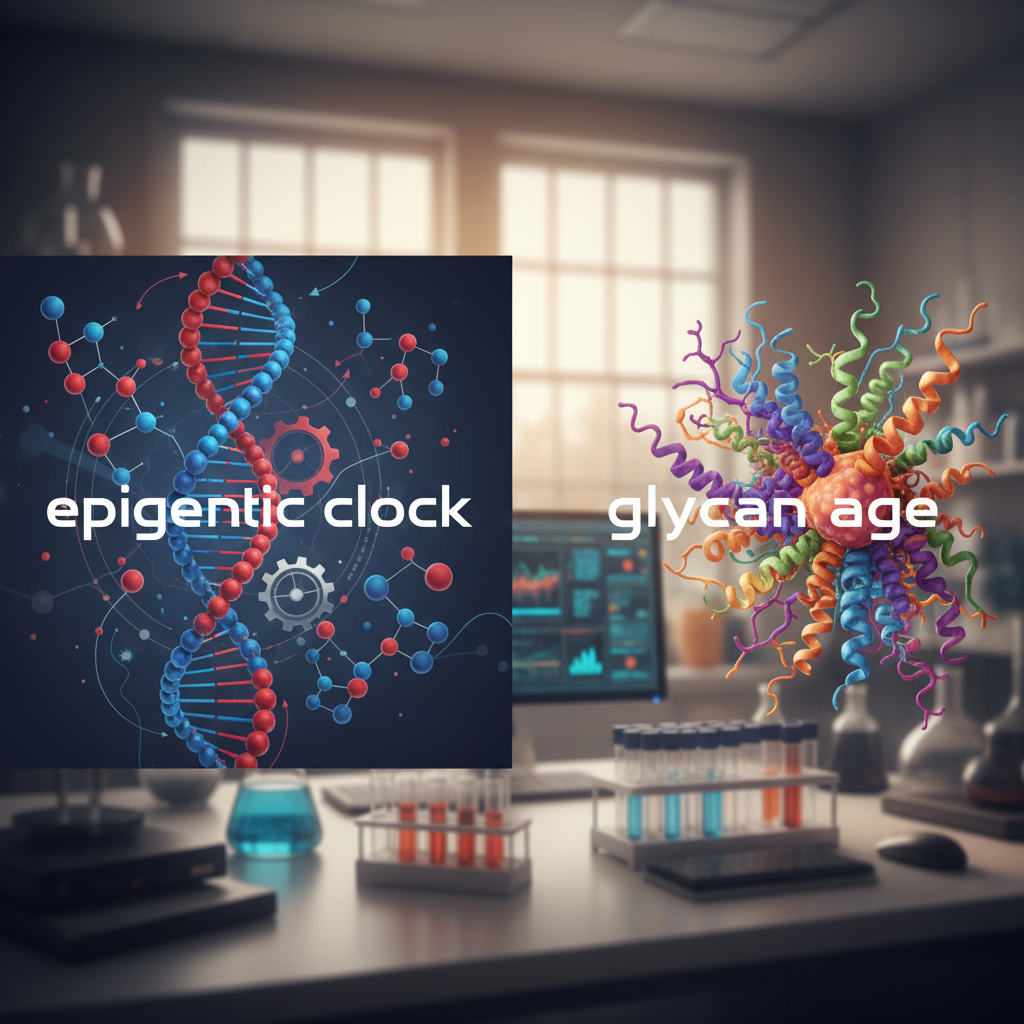
Discover the science behind biological age tests, comparing the epigenetic Horvath clock with the glycan-based GlycanAge, and learn which might best suit your longevity goals.
# Biological Age Tests: Horvath vs. GlycanAge – A Deep Dive
In the relentless pursuit of extended healthspan, the ability to accurately measure our biological age – distinct from chronological age – has become a holy grail. It’s no longer enough to know how many years we’ve lived; we want to understand how our lifestyle, environment, and genetics are influencing the true 'age' of our bodies. This insight empowers us to make targeted interventions, from optimising our nutrition to refining our supplement stacks. Among the myriad of biological age tests emerging, two prominent contenders stand out for their distinct methodologies and increasing recognition: the Horvath epigenetic clock and GlycanAge. While both aim to quantify the pace of ageing, they do so through fundamentally different lenses, offering unique insights into our cellular health. Understanding these differences is crucial for anyone looking to navigate the complex landscape of longevity diagnostics.
At Longevity Stack, we champion an evidence-first approach to healthspan. This means dissecting the science behind popular tools and trends to provide our readers with actionable, reliable information. The comparison between Horvath and GlycanAge isn't just an academic exercise; it's about discerning which metrics are most relevant for personalising your longevity journey, informing your protocols, and ultimately enhancing your quality of life for longer. Let’s delve into the intricate science underpinning each of these advanced biological age tests, evaluating their strengths, limitations, and practical applications.
The Epigenetic Landscape: Horvath Clock and DNA Methylation
The Horvath clock, often synonymous with epigenetic clocks, represents a monumental leap in biological age assessment. Developed by Professor Steve Horvath in 2013, this pioneering method analyses patterns of DNA methylation – chemical modifications to our DNA that don't alter the underlying genetic code but influence gene expression. Think of it as molecular 'switches' that turn genes on or off. These methylation patterns change predictably with chronological age, but also respond to lifestyle factors, disease, and environmental exposures, making them a powerful proxy for biological age.
Horvath's initial work involved training an algorithm on over 8,000 samples from various tissues and cell types to identify 353 specific CpG sites (cytosine-phosphate-guanine dinucleotides) whose methylation levels correlated strongly with chronological age. The beauty of this approach lies in its universality; the Horvath clock can estimate the age of virtually any tissue in the body. Since its inception, numerous other epigenetic clocks have emerged, refining the methodology, focusing on specific health outcomes (e.g., DNAmAgeGrim, PhenoAge, GrimAge), or improving predictive power for all-cause mortality and morbidity. GrimAge, for instance, has shown superior predictive power for healthspan and lifespan compared to the original Horvath clock, integrating methylation markers associated with smoking, inflammation, and blood cell counts.
The underlying principle is that deviations from the expected methylation pattern for a given chronological age indicate accelerated or decelerated biological ageing. An 'older' biological age than chronological age suggests a higher risk of age-related diseases and mortality. Conversely, a 'younger' biological age implies greater resilience and a potentially longer, healthier life. Epigenetic clocks offer a comprehensive, systemic view of ageing, integrating influences from genetics, lifestyle, and environment into a single, quantifiable metric. This makes them incredibly attractive for tracking the efficacy of longevity interventions, from dietary changes to specific supplements or even peptides.
Glycans: The 'Sugar Code' of Ageing with GlycanAge
Shifting our focus, GlycanAge offers a radically different perspective on biological age, centring on the analysis of glycans – complex sugar structures attached to proteins and lipids throughout our bodies. These 'sugar chains' form a critical part of our cellular communication, immune response, and overall physiological function. They are dynamic molecules, constantly being synthesised and modified, and their composition changes predictably with age, inflammation, and disease states.
GlycanAge specifically focuses on N-glycans attached to immunoglobulin G (IgG), the most abundant antibody in human blood. The structure of these glycans dictates their function, influencing the pro- or anti-inflammatory properties of IgG. Younger, healthier individuals tend to have a higher proportion of 'anti-inflammatory' glycans, while older individuals or those experiencing chronic inflammation exhibit a shift towards 'pro-inflammatory' glycan structures. This shift is not merely correlative; it's believed to be mechanistically involved in many age-related diseases, including autoimmune conditions, cardiovascular disease, and neurodegeneration.
Developed by Professor Gordan Lauc and his team, the GlycanAge test analyses hundreds of glycan structures, processing the data through a proprietary algorithm to derive a biological age. Unlike epigenetic clocks that reflect the overall cellular 'memory' of ageing, GlycanAge provides a snapshot of the body's current inflammatory status and immune health. This makes it particularly sensitive to changes in lifestyle that impact inflammation, such as diet, exercise, stress, and even sleep. For instance, studies have shown that improvements in diet and reductions in stress can lead to a 'younger' GlycanAge, reflecting a healthier inflammatory profile. This is a powerful feedback mechanism for individuals committed to optimising their metabolic health and overall immune function.
Comparing Methodologies: A Fundamental Distinction
The core distinction between Horvath and GlycanAge lies in what they measure and, consequently, what aspects of ageing they illuminate. Epigenetic clocks, like the Horvath clock, primarily gauge the *accumulation of epigenetic changes* over time, reflecting a broad, systemic measure of ageing. They capture the long-term impact of genetics and environment on gene regulation, acting as a historical record of sorts. If your biological age is significantly higher than your chronological age according to an epigenetic clock, it suggests that your cells have experienced more 'wear and tear' than expected.
GlycanAge, on the other hand, measures the *current state of your glycome*, particularly concerning immune function and inflammation. It's more of a real-time indicator of physiological stress and immune balance. While also predictive of health outcomes, it's perhaps more responsive to recent lifestyle interventions. Think of it this way: an epigenetic clock is like a deeply etched geological record of your life's journey, while GlycanAge is a weather report, telling you about the current climate of your internal environment. Both are valuable, but they answer different questions about your ageing process.
- **Horvath (Epigenetic Clocks):** Measures DNA methylation patterns. Reflects cumulative cellular damage and gene regulation changes. Universal across tissues. Strong predictor of all-cause mortality and various age-related diseases. Often slower to change in response to short-term interventions.
- **GlycanAge:** Measures IgG glycan structures. Reflects current inflammatory status and immune system health. More responsive to acute lifestyle changes. Predictive of inflammatory and autoimmune conditions, as well as overall healthspan. Utilises a blood sample.
This fundamental difference means that while both aim to provide a biological age, their utility in guiding interventions and tracking progress can vary. For a comprehensive view, some researchers advocate for a multi-modal approach, combining different types of biomarkers.
Predictive Power and Clinical Utility
Both Horvath-type epigenetic clocks and GlycanAge have demonstrated significant predictive power for health outcomes. Studies on epigenetic clocks, particularly newer generations like GrimAge, have consistently shown strong associations with all-cause mortality, cardiovascular disease, cancer risk, and other age-related morbidities. For instance, a study published in *Genome Biology* by Quach et al. (2017) highlighted the superior predictive power of GrimAge over other epigenetic clocks for a range of age-related phenotypes and mortality. The ability of these clocks to 'see' future health risks provides a compelling rationale for their use in precision prevention strategies.
GlycanAge also boasts impressive predictive capabilities. Research by Krištić et al. (2014) in *Molecular and Cellular Proteomics* demonstrated that changes in IgG glycosylation are robust biomarkers of ageing and inflammation, predicting various age-related conditions. A higher 'GlycanAge' is consistently associated with increased risk of chronic inflammation, autoimmune disorders, and metabolic syndrome. This makes GlycanAge particularly valuable for individuals concerned about inflammatory conditions or those looking to monitor the efficacy of anti-inflammatory supplements or lifestyle changes. For example, improvements in diet, regular physical activity, and stress reduction can positively impact glycan patterns, potentially lowering one's GlycanAge.
The clinical utility of these tests is evolving. While neither is currently a standard diagnostic tool in mainstream medicine, they are increasingly used in research settings and by proactive individuals seeking advanced health insights. They serve as powerful biomarkers for assessing the impact of longevity interventions. Imagine tracking your biological age with an epigenetic clock and seeing it decrease after consistent implementation of a healthspan foundation protocol or a targeted mitochondrial optimization strategy. Similarly, monitoring GlycanAge could provide valuable feedback on the effectiveness of strategies aimed at reducing systemic inflammation.
Practical Considerations for Consumers
When choosing between Horvath and GlycanAge, several practical considerations come into play:
* **Cost:** Both tests represent an investment. Epigenetic clocks typically range from £200-£800, depending on the specific clock and provider. GlycanAge is usually in a similar price bracket. It's crucial to evaluate the cost-benefit for your personal health goals. * **Sample Type:** Most epigenetic clocks require a saliva or blood sample (a small finger prick or venous draw). GlycanAge specifically requires a blood sample (often a finger prick). Both are relatively non-invasive. * **Responsiveness to Interventions:** If you are looking for a test that can provide relatively rapid feedback on lifestyle changes, GlycanAge might offer more immediate insights into your inflammatory state. Epigenetic clocks, while foundational, may require longer periods of consistent intervention to show significant shifts in biological age. * **What You Want to Measure:** Do you want a broad, foundational measure of cumulative ageing (epigenetic clocks) or a more dynamic snapshot of immune and inflammatory health (GlycanAge)? Many individuals choose to utilise both for a more comprehensive understanding. * **Reputable Providers:** Always ensure you use a reputable provider for either test. Look for companies that are transparent about their methodology, offer clear interpretation of results, and ideally have peer-reviewed publications supporting their specific algorithms. For example, some epigenetic clock providers offer different versions (e.g., Horvath, PhenoAge, GrimAge), each with slightly different implications.
It’s also important to remember that these tests are tools for information and motivation, not definitive diagnoses. An 'older' biological age doesn't mean impending doom, but rather an opportunity to implement targeted interventions. Similarly, a 'younger' biological age isn't a license for complacency, but a positive reinforcement of effective strategies.
The Future: Integrating Multi-Omic Data
The cutting edge of biological age assessment lies in the integration of multiple 'omics' data – epigenomics, glycomics, proteomics, metabolomics, and genomics. The future of longevity diagnostics will likely involve combining insights from tests like Horvath and GlycanAge with other biomarkers to create a truly holistic picture of an individual's ageing trajectory. Imagine a personal longevity dashboard that incorporates your epigenetic age, glycan age, telomere length, mitochondrial function markers (perhaps inferred through Mots-c levels or specific metabolites), and inflammation markers. This multi-factorial approach promises unprecedented accuracy and personalisation in guiding interventions.
Research is actively exploring how different biological clocks interact and what distinct information each provides. Some individuals might exhibit an accelerated epigenetic age but a healthy glycan age, or vice versa, suggesting different underlying ageing pathways are dominant. Understanding these individual variations will be key to developing truly bespoke longevity protocols. As these technologies mature and become more accessible, they will empower individuals and clinicians to make increasingly precise decisions about nutrition, exercise, supplements, pharmaceutical interventions, and lifestyle choices to optimise healthspan.
It is imperative to approach these advanced tools with a critical eye, always seeking evidence-based interpretations and avoiding sensationalised claims. At Longevity Stack, we are committed to sifting through the noise to bring you the clearest, most actionable insights into the science of living longer, healthier lives.
*Please note: Information on peptides, drugs, and supplements is for informational purposes only and not medical advice. Consult with a healthcare professional before making any health decisions. See our full disclaimer: [/legal/disclaimer]*
Bottom line
Both the Horvath epigenetic clock and GlycanAge offer powerful, yet distinct, lenses through which to view our biological age. The Horvath clock provides a broad, cumulative measure of ageing's impact on gene regulation, reflecting a long-term epigenetic history. GlycanAge, conversely, offers a dynamic snapshot of our immune system and inflammatory status, more responsive to immediate lifestyle adjustments.
For those seeking a comprehensive understanding of their ageing process, integrating insights from both types of tests may prove most beneficial. Ultimately, these biological age tests are invaluable tools for personalising your healthspan journey, offering measurable feedback that can motivate and guide your efforts towards a longer, healthier life.