GHK-Cu Topical for Skin Ageing: Your Definitive
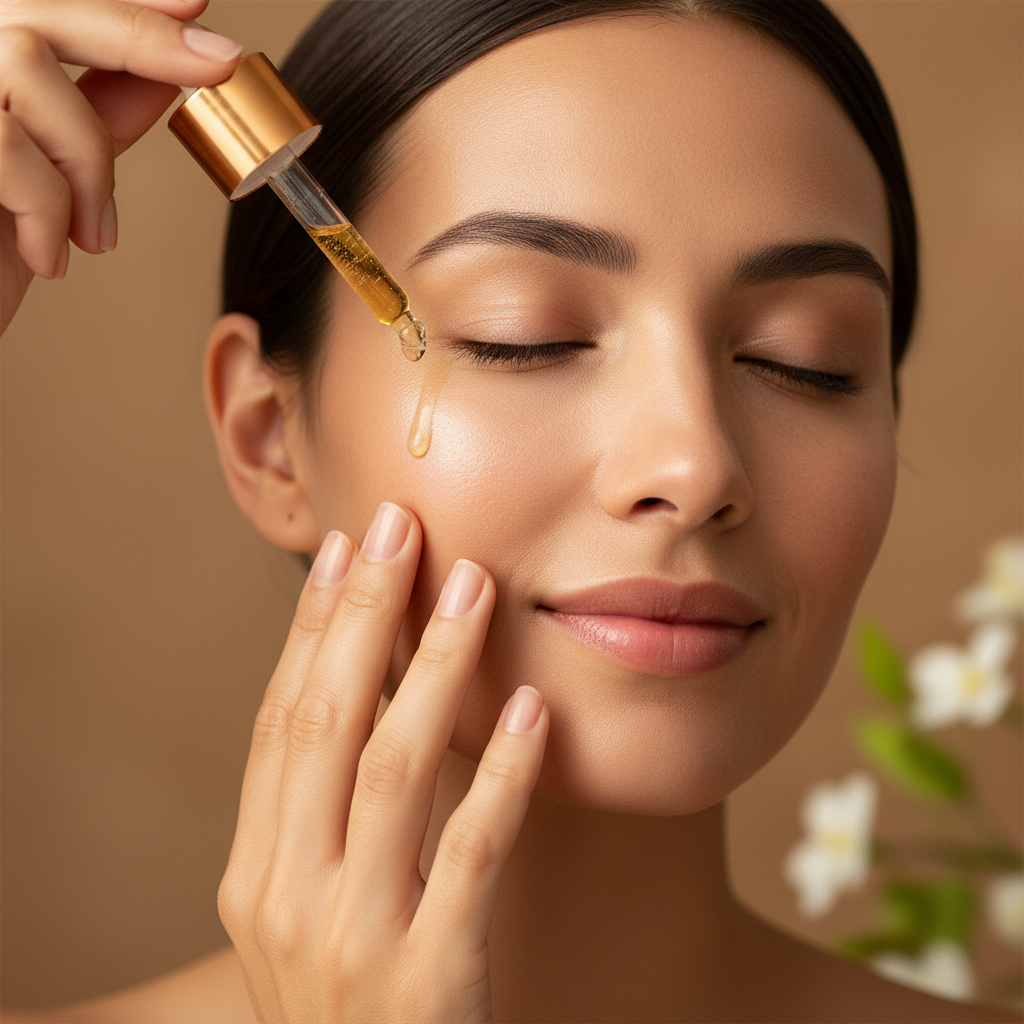
Discover how GHK-Cu topical treatments can revitalise your skin, reduce wrinkles, and improve firmness. Learn the science and a practical application protocol.
# GHK-Cu Topical for Skin Ageing: Your Definitive Protocol Guide
As we navigate the complexities of ageing, the quest for maintaining youthful, resilient skin remains a significant focus in both cosmetic science and personal wellness. Among the burgeoning array of anti-ageing compounds, copper peptides, specifically GHK-Cu (glycyl-L-histidyl-L-lysine-copper), have garnered considerable attention. Often dubbed the "fountain of youth" peptide, GHK-Cu's remarkable regenerative properties extend beyond wound healing to a profound impact on skin health and appearance. This in-depth guide will unravel the science behind GHK-Cu's topical application for skin ageing, provide a detailed protocol, and offer practical insights to maximise its benefits.
The Science of Skin Ageing and GHK-Cu's Role
Skin ageing is a multifaceted biological process influenced by intrinsic (genetics, cellular metabolism) and extrinsic (UV radiation, pollution, lifestyle) factors. Key hallmarks include a reduction in collagen and elastin synthesis, increased oxidative stress, impaired barrier function, and a slower cellular turnover rate. These changes lead to visible signs such as fine lines, wrinkles, loss of elasticity, hyperpigmentation, and dullness.
GHK-Cu is a naturally occurring human peptide found in plasma, saliva, and urine. Its concentration decreases significantly with age, dropping by approximately 60% between the ages of 20 and 60. This age-related decline has led researchers to investigate its potential role in reversing or mitigating ageing processes. The "Cu" in GHK-Cu refers to the copper ion chelated to the peptide, which is crucial for its biological activity. Copper is an essential trace element involved in numerous enzymatic reactions, including those vital for collagen and elastin production.
### How GHK-Cu Benefits Ageing Skin:
* **Collagen and Elastin Synthesis:** GHK-Cu stimulates the production of collagen, a fibrous protein that provides structural integrity to the skin, and elastin, which gives skin its elasticity and ability to snap back. This leads to reduced wrinkles, improved skin firmness, and enhanced elasticity. * **Antioxidant Properties:** The copper-peptide complex exhibits potent antioxidant activity, neutralising free radicals that cause oxidative damage to skin cells and DNA. This helps protect against premature ageing caused by environmental stressors. * **Anti-inflammatory Effects:** GHK-Cu has demonstrated anti-inflammatory properties, which can help calm irritated skin and reduce redness, contributing to a more even skin tone. * **Wound Healing and Tissue Remodelling:** Historically, GHK-Cu's role in wound healing has been well-documented. It promotes the repair of damaged tissue by stimulating cell proliferation and differentiation, and by encouraging the production of growth factors. This regenerative capacity is directly transferable to its skin anti-ageing effects, aiding in the repair of micro-damage and scar reduction. * **Angiogenesis:** It promotes the formation of new blood vessels, improving nutrient and oxygen supply to skin cells, which is vital for healthy skin function and regeneration. * **Glycosaminoglycan (GAG) Production:** GHK-Cu boosts the synthesis of GAGs like hyaluronic acid, which are crucial for skin hydration and plumpness. For a deeper dive into the broader applications of peptides in longevity, explore our peptides overview.
Choosing the Right GHK-Cu Topical Product
The market is saturated with various GHK-Cu products, ranging from serums and creams to standalone GHK-Cu powders for DIY formulations. Navigating these options requires an understanding of key considerations to ensure efficacy and safety.
* **Concentration:** Typical GHK-Cu concentrations in topical products range from 0.5% to 2.5%. While higher concentrations might seem more appealing, research suggests that even lower concentrations can be effective. A common and well-tolerated starting point is usually 1-2.5%. It's important to note that excessively high concentrations might not yield proportionally better results and could increase the risk of irritation. * **Formulation:** The vehicle in which GHK-Cu is delivered significantly impacts its stability and penetration. Serums are often preferred due to their lighter texture and ability to penetrate deeper into the skin. Look for formulations that are free from parabens, phthalates, and harsh chemicals, and ideally, those that include other synergistic ingredients like hyaluronic acid, vitamin C, or ceramides. * **Product Stability:** GHK-Cu is generally stable, but exposure to extreme heat, light, and certain acids can degrade its efficacy. Opt for products packaged in opaque, air-tight containers, and store them in a cool, dark place. * **Reputable Manufacturers:** Always purchase from well-known, reputable brands that provide transparency regarding their ingredient sourcing, manufacturing processes, and third-party testing. This is especially crucial for peptides and other active ingredients. Be wary of products with vague ingredient lists or unusually low prices.
### DIY GHK-Cu: A Cautious Approach
Some individuals opt to purchase GHK-Cu powder and mix it into their existing skincare products. While this offers control over concentration and formulation, it comes with risks:
* **Purity and Sterility:** Sourcing high-quality, pure GHK-Cu powder is paramount. Contaminants can cause skin irritation or adverse reactions. * **Solubility and Stability:** GHK-Cu needs to be properly dissolved and stabilised within the chosen base. Incorrect pH levels or incompatible ingredients can render the peptide ineffective or even harmful. * **Dosage Accuracy:** Achieving precise concentrations at home can be challenging, leading to inconsistent results.
For most individuals, particularly those new to GHK-Cu, purchasing a professionally formulated product from a trusted brand is the safest and most reliable approach.
The GHK-Cu Topical Application Protocol
Implementing GHK-Cu into your skincare routine requires a methodical approach to ensure maximum absorption and benefit while minimising potential irritation. This protocol assumes you are using a pre-formulated GHK-Cu serum or cream.
### Step-by-Step Application:
1. **Cleanse (Morning & Evening):** Begin with a gentle, pH-balanced cleanser to remove impurities, makeup, and excess oil. A clean canvas allows for better product penetration. 2. **Tone (Optional, Morning & Evening):** If you use a toner, apply it now. Opt for an alcohol-free, hydrating toner to prepare your skin without stripping it. 3. **GHK-Cu Application (Evening is Optimal, or Twice Daily):** This is the core step. Apply 2-4 drops of your GHK-Cu serum to your face, neck, and décolletage. Gently pat it into the skin until fully absorbed. For creams, use a pea-sized amount. Many users find evening application sufficient, as the skin's repair mechanisms are most active during sleep. However, some prefer twice-daily application for faster or more pronounced results. If using twice daily, pay attention to potential interactions with other morning products like vitamin C or certain acids (see 'Important Considerations'). 4. **Other Serums/Treatments (Morning & Evening):** If you incorporate other targeted serums (e.g., hyaluronic acid, niacinamide), apply them after GHK-Cu. Allow each product to absorb fully before applying the next. 5. **Moisturise (Morning & Evening):** Follow with your preferred moisturiser to lock in hydration and create a protective barrier. This is a crucial step, especially if your GHK-Cu product is a serum rather than a cream. 6. **Sun Protection (Morning Only):** In the morning, always conclude your routine with a broad-spectrum SPF 30+ sunscreen. GHK-Cu, while offering some antioxidant protection, does not replace the need for dedicated sun protection, which is the most effective anti-ageing intervention.
### Frequency and Duration:
* **Initial Phase (First 2-4 Weeks):** Start by applying GHK-Cu every other day or 3-4 times a week, especially if you have sensitive skin or are new to active ingredients. This allows your skin to acclimatise. * **Maintenance Phase:** Gradually increase to once daily (evening) or twice daily, as tolerated. Consistent use over several months is necessary to observe significant improvements. Collagen remodelling is a slow process, often requiring 8-12 weeks to see visible changes, with optimal results appearing after 6-12 months.
Important Considerations and Potential Interactions
While GHK-Cu is generally well-tolerated, understanding its interactions with other active ingredients and potential side effects is crucial for a smooth integration into your skincare regimen.
* **Vitamin C (L-Ascorbic Acid):** This is the most frequently asked question regarding GHK-Cu. While both are powerful antioxidants, they can be incompatible. L-ascorbic acid requires a low pH (typically 3.5 or less) to be stable and effective, whereas GHK-Cu is most stable at a neutral pH (around 6-7). Combining them directly can degrade both, rendering them ineffective. It's best to separate their application: use vitamin C in the morning and GHK-Cu in the evening, or on alternating days. Alternatively, use a vitamin C derivative (e.g., magnesium ascorbyl phosphate, tetrahexyldecyl ascorbate) which is more stable at higher pH levels. * **AHAs/BHAs (Alpha/Beta Hydroxy Acids):** Like vitamin C, these acids (e.g., glycolic acid, salicylic acid) operate at a low pH. Using them immediately before or after GHK-Cu can destabilise the peptide. If you use AHAs/BHAs, apply them at a different time of day or on alternating nights. For example, GHK-Cu on Monday/Wednesday/Friday, and AHA/BHA on Tuesday/Thursday/Saturday. Learn more about skin health by exploring our blog. * **Retinoids (Retinol, Tretinoin):** Retinoids can be sensitising, and while there's no direct chemical incompatibility with GHK-Cu, using them together might increase the risk of irritation, especially when starting. If using both, introduce them gradually and consider alternating nights, or use GHK-Cu in the morning and retinoids in the evening. * **Side Effects:** GHK-Cu is generally safe. Mild irritation, redness, or dryness can occur, especially when first introduced. If this happens, reduce frequency of use until your skin adjusts. Allergic reactions are rare but possible. Discontinue use if you experience severe redness, itching, or swelling. Consult a healthcare professional if symptoms persist. * **Storage:** Store GHK-Cu products in a cool, dark place, away from direct sunlight and extreme temperatures. Follow manufacturer's instructions.
Some peptides and supplements require careful consideration. For specific guidance on safety, always consult our /legal/disclaimer page.
Synergistic Strategies for Enhanced Skin Longevity
While GHK-Cu is a formidable tool against skin ageing, its efficacy can be amplified by integrating it into a holistic longevity strategy that addresses multiple facets of health. Optimising internal and external factors creates a synergistic environment for skin regeneration.
### Internal Support:
* **Nutrition:** A diet rich in antioxidants (berries, leafy greens), healthy fats (omega-3s from fatty fish, flaxseed – see omega-3), and adequate protein is fundamental for collagen synthesis and skin repair. Sufficient hydration is also crucial for skin plumpness and barrier function. * **Supplementation:** Consider supplements that support skin health from within. Collagen peptides (oral), vitamin C, zinc, and astaxanthin are known to boost skin resilience and provide antioxidant protection. For example, NMN and NR can support cellular energy and repair, which indirectly benefits skin health. * **Sleep:** Quality sleep is non-negotiable for skin repair and regeneration. During deep sleep, growth hormone production peaks, facilitating cellular turnover and collagen production. Establishing a consistent sleep schedule and optimising your sleep environment can significantly impact skin appearance. Explore tools for sleep optimisation. * **Stress Management:** Chronic stress elevates cortisol, which can degrade collagen and accelerate ageing. Practices like meditation, yoga, or spending time in nature can mitigate stress's impact on your skin.
### External Support:
* **Sun Protection:** As mentioned, consistent use of broad-spectrum SPF is the single most important anti-ageing strategy. UV radiation is the primary driver of extrinsic skin ageing. * **Gentle Skincare Routine:** Avoid harsh cleansers, excessive exfoliation, and products with irritating ingredients that can compromise the skin barrier. A healthy barrier is essential for retaining moisture and protecting against environmental damage. * **Hydration:** Use humectant-rich moisturisers (containing hyaluronic acid, glycerin) to keep the skin plump and hydrated. * **Micro-needling (Professional):** Micro-needling, when performed by a professional, creates micro-injuries that stimulate collagen production. GHK-Cu can be applied post-treatment to enhance healing and regenerative effects, but always consult with your practitioner. * **Other Peptides:** Consider how GHK-Cu fits into a broader peptide strategy. For example, BPC-157 is renowned for its healing properties and could complement a comprehensive approach to skin health, although it's primarily used systemically or locally for injury. Similarly, other peptides like Thymalin and Epitalon contribute to systemic longevity, which in turn can reflect on skin vitality.
The Journey to Rejuvenated Skin
The journey to healthier, more youthful-looking skin with GHK-Cu topical treatments is one of consistency, patience, and a holistic approach. While the peptide itself offers potent regenerative benefits, its true potential is unlocked when supported by sound skincare practices and a healthy lifestyle.
Remember that individual results can vary based on genetics, lifestyle, and the severity of existing skin damage. It’s important to manage expectations and understand that GHK-Cu is not a magic bullet but a powerful tool within a comprehensive anti-ageing arsenal. Regular assessment of your skin's response and adjustments to your routine, if necessary, will ensure the best outcomes.
By diligently following this GHK-Cu topical protocol and embracing a longevity-focused lifestyle, you can effectively harness the science of copper peptides to support your skin's natural regenerative processes, leading to a visibly improved complexion that defies your age. For further exploration of peptide research and its applications, our AI tools for peptide research can provide additional insights.
Bottom line
GHK-Cu topical application presents a robust, research-backed strategy for combating skin ageing by boosting collagen, elastin, and hyaluronic acid production, alongside significant antioxidant and anti-inflammatory effects. Adhering to a careful application protocol, understanding interactions with other actives like vitamin C and retinoids, and integrating it with a holistic approach encompassing nutrition, sleep, and sun protection will yield the most impactful results.
Consistent use over several months is key to experiencing GHK-Cu's full regenerative potential, leading to firmer, smoother, and more radiant skin. This powerful peptide, when properly leveraged, is a cornerstone of an advanced anti-ageing skincare regimen.