Lp(a) Elevated? What to Do Next for Longevity
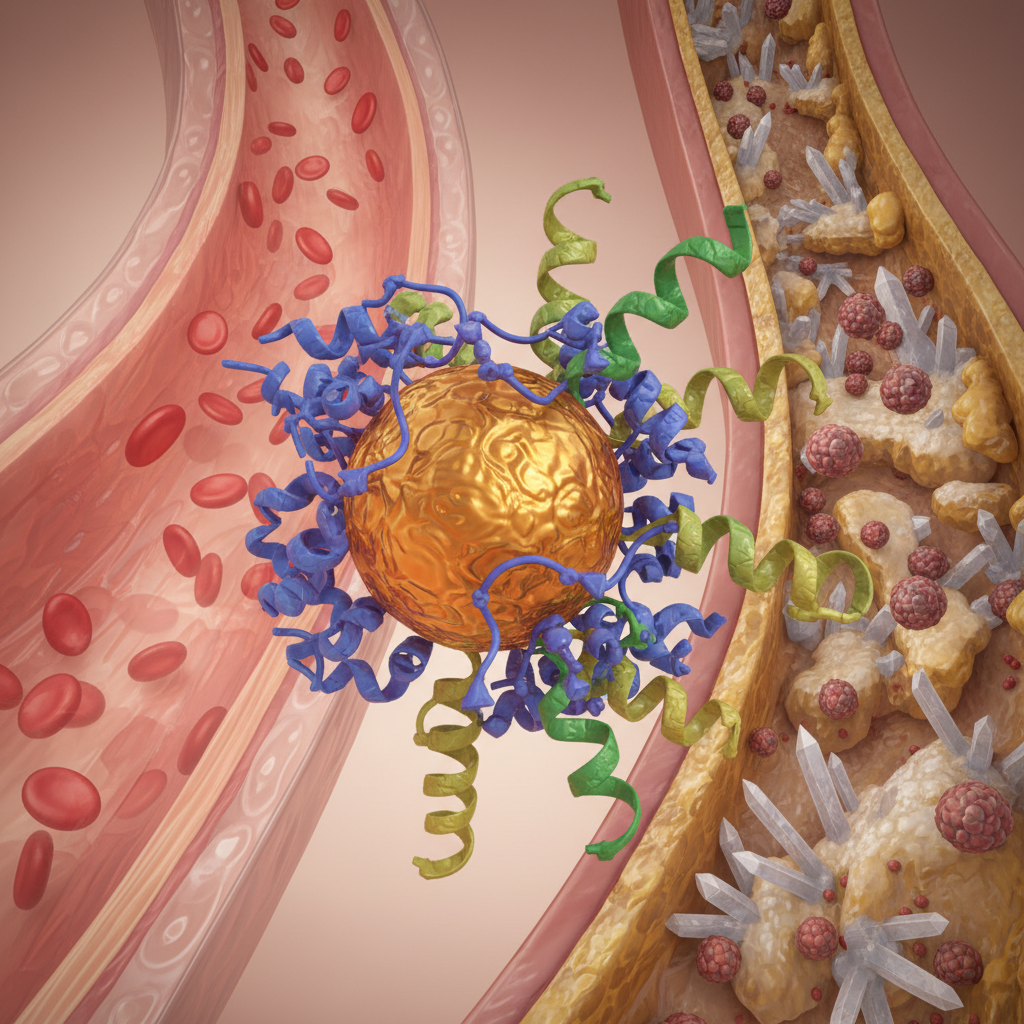
Elevated Lp(a) is a critical, often overlooked risk factor for cardiovascular disease. Understand what it means and evidence-based strategies to manage it for better heart health and longevity.
# Lp(a) Elevated? What to Do Next for Longevity & Heart Health
For decades, cholesterol has dominated the conversation around cardiovascular disease risk. We’ve been diligently tracking LDL, HDL, and triglycerides, often overlooking a silent, yet potent, player: Lipoprotein(a), or Lp(a). This often-hereditary lipid particle is increasingly recognised as a significant, independent risk factor for atherosclerosis, heart attack, and stroke. If you’ve recently discovered your Lp(a) levels are elevated, it's natural to feel concerned. But more importantly, it's an opportunity for proactive health management. At Longevity Stack, we delve into the evidence-based strategies available to mitigate this risk and safeguard your long-term health.
Understanding Lipoprotein(a): A Unique Risk Factor
Lipoprotein(a) is a low-density lipoprotein (LDL) cholesterol particle that contains an additional protein called apolipoprotein(a) – or apo(a) – attached to its apolipoprotein B-100 component. This unique structure gives Lp(a) its distinct atherogenic and prothrombotic properties. Unlike other lipid markers, Lp(a) levels are largely genetically determined, with approximately 90% of an individual's level attributed to variations in the LPA gene. This means diet and lifestyle, while crucial for overall health, have a limited direct impact on Lp(a) concentration itself.
Normal Lp(a) levels are generally considered to be below 30 mg/dL (or 75 nmol/L). However, risk stratification often begins at levels above 50 mg/dL (125 nmol/L), with significantly elevated risk observed above 75 mg/dL (175 nmol/L). High Lp(a) is associated with an increased risk of:
* **Atherosclerosis:** The build-up of plaque in arteries, leading to narrowing and hardening. * **Coronary Artery Disease (CAD):** Leading to angina, heart attacks, and other heart problems. * **Stroke:** Particularly ischaemic stroke. * **Aortic Valve Stenosis:** Narrowing of the heart's aortic valve. * **Peripheral Artery Disease (PAD):** Affecting blood flow to the limbs.
Given its genetic basis, once you know your Lp(a) is elevated, the focus shifts from prevention of elevation to aggressive management of *overall* cardiovascular risk. This comprehensive approach is paramount for anyone serious about healthspan and longevity. For a broader look at managing metabolic health, explore our resources on metabolic health.
First Steps: Comprehensive Risk Assessment
Upon discovering elevated Lp(a), the immediate next step is a thorough cardiovascular risk assessment by a healthcare professional. This isn't just about the Lp(a) number; it's about evaluating your complete risk profile. Your doctor will likely consider:
* **Family History:** A strong family history of premature cardiovascular disease, especially if linked to high Lp(a), is a significant indicator. * **Other Lipid Markers:** Your LDL-C, HDL-C, triglycerides, and apoB levels are still crucial. * **Blood Pressure:** Hypertension is a major modifiable risk factor. * **Blood Glucose/Insulin Sensitivity:** Diabetes or pre-diabetes significantly escalates risk. * **Inflammation Markers:** High-sensitivity C-reactive protein (hs-CRP) can indicate systemic inflammation. * **Imaging Studies:** In some cases, carotid ultrasound or coronary artery calcium (CAC) scoring might be recommended to assess subclinical atherosclerosis.
Understanding these factors allows for a personalised strategy. The goal is to aggressively manage *all* modifiable risk factors to counteract the non-modifiable risk posed by high Lp(a). This holistic view is key to genuine longevity. For more on how to interpret various biological markers, you might find our tools on biomarker insights useful.
Lifestyle Optimisation: The Foundation of Risk Reduction
While lifestyle changes won't directly lower Lp(a) significantly, they are absolutely fundamental in reducing your *overall* cardiovascular risk and are the bedrock of any longevity strategy. Think of it as controlling what you *can* control with extreme prejudice.
* **Diet:** Focus on a heart-healthy dietary pattern. This generally means a Mediterranean-style diet rich in fruits, vegetables, whole grains, lean proteins, and healthy fats. Limit saturated and trans fats, refined carbohydrates, and processed foods. Some research suggests that diets high in soluble fibre and plant sterols may modestly impact LDL and therefore the LDL component of Lp(a), but the primary benefit is in improving overall lipid profiles. For instance, berberine has shown promise in improving lipid profiles in some contexts, indirectly supporting a healthier metabolic state. * **Regular Exercise:** Engage in a combination of aerobic and resistance training. Aim for at least 150 minutes of moderate-intensity or 75 minutes of vigorous-intensity aerobic exercise per week, plus two or more days of muscle-strengthening activities. This improves endothelial function, lowers blood pressure, enhances insulin sensitivity, and helps manage weight. Consider incorporating zone 2 cardio for its metabolic benefits, and resistance training for overall strength and metabolic health. * **Maintain a Healthy Weight:** Obesity is strongly linked to various cardiovascular risk factors, including hypertension, dyslipidaemia, and insulin resistance. Losing even a modest amount of weight can have profound benefits. * **Avoid Smoking:** Smoking is one of the most significant modifiable risk factors for cardiovascular disease. Quitting is arguably the single most impactful action for heart health. * **Manage Stress:** Chronic stress can negatively impact cardiovascular health. Techniques like meditation, yoga, and mindfulness can be beneficial. * **Adequate Sleep:** Poor sleep is associated with increased cardiovascular risk. Prioritise 7-9 hours of quality sleep per night. Our resources on sleep optimisation offer valuable insights.
Pharmaceutical Interventions: Targeting Associated Risks
Since direct Lp(a)-lowering medications are still largely in clinical trials, current pharmaceutical strategies focus on aggressively managing other modifiable risk factors to reduce your absolute risk of cardiovascular events.
* **Statins:** While statins primarily lower LDL-C, they are often a first-line treatment for high Lp(a) patients to achieve very low LDL-C levels. Paradoxically, statins can sometimes cause a modest *increase* in Lp(a) levels in some individuals, but the overall cardiovascular benefit from LDL-C reduction generally outweighs this. The benefit is in reducing the *total* atherogenic burden. * **PCSK9 Inhibitors (e.g., alirocumab, evolocumab):** These powerful injectable medications significantly lower LDL-C (by 50-60%) and have the added benefit of also lowering Lp(a) by approximately 20-30%. For individuals with very high Lp(a) and existing cardiovascular disease or very high risk, PCSK9 inhibitors can be a game-changer. They represent the most effective current pharmaceutical option for Lp(a) reduction. * **Aspirin:** For individuals with established cardiovascular disease or very high risk, low-dose aspirin might be considered due to the prothrombotic nature of Lp(a), but this should always be discussed with a doctor due to bleeding risks. * **Emerging Therapies:** The future of Lp(a) management is exciting. Several novel medications are in advanced clinical trials that specifically target the LPA gene or the production of apo(a). These include antisense oligonucleotides (ASOs) like pelacarsen and small interfering RNAs (siRNAs) like olpasiran and zerlasiran. These therapies have shown the potential to reduce Lp(a) levels by up to 80-90% and could revolutionise treatment. The results of ongoing outcome trials will be pivotal.
The Role of Supplements: Limited Direct Impact, Broad Support
While no supplement has been conclusively proven to directly and significantly lower Lp(a) in a clinically meaningful way, certain supplements can support overall cardiovascular health and manage other risk factors. Always discuss any supplement regimen with your healthcare provider, particularly if you're on prescription medication.
* **Niacin (Vitamin B3):** Niacin was historically used to lower cholesterol and could modestly reduce Lp(a) (by 10-20%), but its use has fallen out of favour due to side effects (flushing) and the lack of strong evidence for improved cardiovascular outcomes when added to statins. It should only be used under medical supervision. * **Omega-3 Fatty Acids:** EPA and DHA found in fish oil are known for their anti-inflammatory properties and ability to lower triglycerides. While not directly lowering Lp(a), they contribute to overall cardiovascular health. Omega-3 supplements are widely used for general heart health. * **Vitamin D:** Low Vitamin D levels are associated with various chronic diseases, including cardiovascular issues. While not directly impacting Lp(a), optimising vitamin D levels supports overall health. * **Coenzyme Q10 (CoQ10):** Often taken by individuals on statins to mitigate muscle pain, CoQ10 is an antioxidant that supports mitochondrial function and may have broader cardiovascular benefits. * **Magnesium:** Involved in hundreds of biochemical reactions, magnesium glycinate can help regulate blood pressure and support endothelial function. * **N-Acetyl Cysteine (NAC):** An antioxidant and precursor to glutathione, NAC can help reduce oxidative stress and inflammation, indirectly supporting vascular health.
It's crucial to remember that supplements are *supplemental* and should not replace foundational lifestyle changes or prescribed medications. Always consult a healthcare professional before adding new supplements to your routine, especially if you have elevated Lp(a) or other health conditions.
*Disclaimer: Always consult a healthcare professional before starting any new supplement, peptide, or drug regimen. Individual results may vary. See our full disclaimer at /legal/disclaimer.*
Proactive Monitoring and Lifelong Management
Living with elevated Lp(a) requires a commitment to lifelong proactive health management. Regular follow-ups with your healthcare team are essential to monitor your overall cardiovascular risk profile. This includes:
* **Periodic Lp(a) Measurement:** Although levels are stable, re-testing may be done to confirm the baseline or if considering novel therapies. * **Lipid Panel Monitoring:** Regularly check LDL-C, HDL-C, and triglycerides to ensure they remain within optimal ranges. * **Blood Pressure and Glucose Checks:** Consistent monitoring of these key metrics. * **Symptom Awareness:** Be vigilant for any new or worsening cardiovascular symptoms and report them promptly.
Embracing advanced monitoring tools, such as continuous glucose monitors or wearable devices for heart rate variability, can also provide valuable insights into your metabolic and cardiovascular health, supporting an informed approach to longevity. Explore our resources on wearables for more information.
Bottom Line
An elevated Lp(a) level is a significant, genetically determined risk factor for cardiovascular disease that demands attention, but it's not a predetermined sentence. By understanding its implications, undertaking a comprehensive risk assessment, and aggressively managing all modifiable risk factors through lifestyle optimisation and, where appropriate, targeted pharmaceutical interventions, you can substantially mitigate your overall cardiovascular risk.
Stay informed about emerging therapies, maintain open communication with your healthcare provider, and commit to a proactive approach to your health. Your diligence in managing Lp(a) and associated risks is a powerful investment in a longer, healthier life. We are dedicated to providing the latest evidence to help you navigate your longevity journey.