PT-141 for Sexual Health: Unpacking the
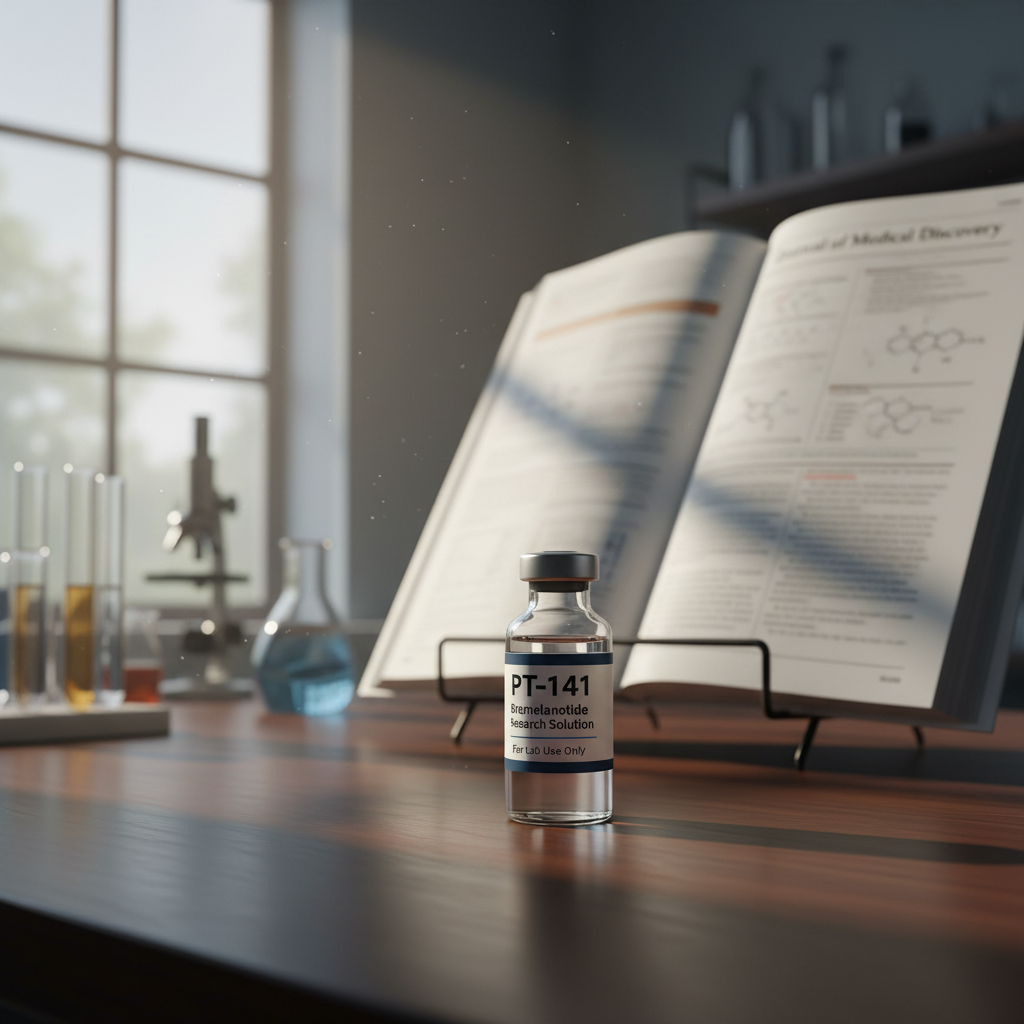
PT-141, known as bremelanotide, offers a unique mechanism for addressing sexual dysfunction. This deep dive examines the evidence supporting its use for enhancing libido and sexual response.
# PT-141 for Sexual Health: Unpacking the Evidence for Bremelanotide
Sexual health is a cornerstone of overall well-being, yet dysfunction in this area remains surprisingly common, affecting millions globally. While traditional treatments like phosphodiesterase-5 (PDE5) inhibitors (e.g., sildenafil, tadalafil) have revolutionised the management of erectile dysfunction (ED) in men, they primarily address the physiological aspects of arousal, often falling short when the root cause lies in central nervous system signalling related to desire. This is where peptides like PT-141, also known by its pharmaceutical name bremelanotide, enter the discussion.
PT-141 represents a distinct class of treatment, operating via a novel mechanism of action that targets the brain rather than direct vascular effects. As a melanocortin receptor agonist, it interacts with pathways involved in sexual arousal and desire. This article delves into the scientific literature surrounding PT-141, examining the evidence for its efficacy, safety, and potential role in the landscape of sexual health management for both men and women. We will dissect how it works, what the clinical trials suggest, and the practical implications for its use.
The Unique Mechanism of Action: How PT-141 Works
Unlike oral medications for ED that increase blood flow to the penis, PT-141 operates centrally within the brain. It is a synthetic peptide analogue of alpha-melanocyte-stimulating hormone (α-MSH), a naturally occurring hormone involved in various physiological functions, including pigmentation, appetite, and sexual arousal. PT-141 specifically acts as a non-selective agonist of melanocortin receptors (MCRs), particularly the MC3R and MC4R subtypes, in the central nervous system.
The activation of MC3R and MC4R in specific brain regions, such as the paraventricular nucleus (PVN) of the hypothalamus, is thought to play a critical role in modulating sexual desire and arousal. This central action distinguishes it from peripheral treatments, suggesting PT-141 could be beneficial for individuals whose sexual dysfunction stems from issues with desire or central arousal pathways, rather than solely vascular or neurological impediments to physical response. The exact cascade of events following MC3R/MC4R activation that leads to enhanced sexual desire is still being fully elucidated, but it is believed to involve the release of neurotransmitters that facilitate pro-sexual pathways. This novel approach potentially offers a solution for those who do not respond to conventional treatments or for whom desire is the primary concern.
Clinical Evidence in Women: Addressing Hypoactive Sexual Desire Disorder (HSDD)
Historically, female sexual dysfunction (FSD) has been a complex and undertreated area. Hypoactive Sexual Desire Disorder (HSDD), characterised by a persistent or recurrent deficiency (or absence) of sexual fantasies and desire for sexual activity, is a common form of FSD. For many years, treatment options were limited, often focusing on psychological counselling or off-label use of other medications.
PT-141 has been a significant focus of research for HSDD in premenopausal women. Pivotal phase 3 clinical trials, such as the RECONNECT studies, evaluated the efficacy and safety of bremelanotide (PT-141) in this population. These studies demonstrated that bremelanotide, administered as a subcutaneous injection, significantly increased measures of sexual desire and reduced distress associated with low sexual desire. Participants reported improvements in the Female Sexual Function Index (FSFI) desire domain score and a reduction in the Female Sexual Distress Scale-Revised (FSDS-R) total score. The US Food and Drug Administration (FDA) approved bremelanotide for HSDD in premenopausal women based on these findings, marking a significant advancement in the field.
One such trial published in *Nature Reviews Urology* in 2019 highlighted the sustained improvement in women's sexual function and reduction in related distress. The primary endpoints in these trials typically involve an increase in satisfactory sexual events (SSEs) and a decrease in distress. The evidence suggests that for many women with HSDD, PT-141 can effectively re-engage the central pathways responsible for desire, leading to meaningful improvements in their sexual quality of life. This represents a substantial shift from previous approaches, offering a targeted pharmacological intervention.
PT-141 for Men: Beyond Erectile Dysfunction
While PDE5 inhibitors are highly effective for most men with ED, a subset does not respond adequately, or their primary issue is a lack of desire rather than an inability to achieve or maintain an erection. This is where PT-141's central mechanism holds promise for male sexual health. Early research and anecdotal reports suggested PT-141 could induce erections in men with psychogenic ED and those who did not respond to sildenafil. This led to investigations into its potential for enhancing sexual function in men by targeting central arousal pathways.
Clinical studies, though not as extensive as those for women's HSDD, have explored PT-141's role in male sexual dysfunction. Research has indicated that PT-141 can induce erections and enhance sexual arousal in men, particularly those with milder forms of ED or desire-related issues. A study published in the *Journal of Urology* in 2004 (doi: 10.1097/01.ju.0000109156.40263.a8) demonstrated that PT-141 effectively induced erections in men with ED, even in a subset who were non-responders to sildenafil. This points to its distinct mechanism of action and its potential to fill a gap in male sexual health treatments. The effect of PT-141 in men appears to be mediated through the same central melanocortin receptor activation that influences desire and arousal, rather than directly affecting the vascular mechanisms of erection.
For men struggling with low libido or reduced sexual desire, PT-141 offers an alternative to typical ED medications. It addresses the 'want' rather than just the 'can,' making it a relevant option for those whose sexual challenges stem from a diminished central drive. This is a critical distinction, as many men with ED may also experience low desire, and addressing both aspects can lead to more holistic improvements in sexual health. Other peptides are also being researched for their effects on male sexual health, including BPC-157 for its potential regenerative properties, though its direct impact on sexual function is less established than PT-141.
Safety Profile and Side Effects of Bremelanotide
Like all pharmacological interventions, PT-141 (bremelanotide) carries a safety profile that warrants careful consideration. The most commonly reported adverse events in clinical trials for bremelanotide include nausea, flushing, headache, and injection site reactions (as it is administered via subcutaneous injection). Nausea, in particular, was a frequent side effect, though typically mild to moderate in severity and transient. Some individuals may also experience an increase in blood pressure and a decrease in heart rate shortly after administration, which usually resolves within a few hours. Due to these transient cardiovascular effects, bremelanotide is contraindicated in individuals with uncontrolled hypertension or known cardiovascular disease.
Hyperpigmentation, particularly darkening of the gums (gingival hyperpigmentation) and other skin areas, was observed in a small percentage of patients with repeated dosing, especially in those with darker skin tones. This effect is consistent with its mechanism of action as a melanocortin receptor agonist, as melanocortins are involved in melanin production. While generally not harmful, it can be cosmetically undesirable for some individuals. The long-term safety data are still accumulating, and continuous monitoring is essential. As with all peptides, ensure you source PT-141 from reputable suppliers and adhere strictly to recommended dosages. Please note that this information is for educational purposes only and does not constitute medical advice. Consult a healthcare professional before considering any new peptide or supplement. /legal/disclaimer
The Role of PT-141 in a Holistic Approach to Sexual Health
It's crucial to view PT-141 not as a standalone magic bullet, but as one component within a broader, holistic approach to sexual health. Sexual dysfunction is multifactorial, often involving psychological, relational, lifestyle, and physiological elements. While PT-141 can effectively address the neurobiological aspects of desire and arousal, it does not replace the need to address underlying psychological factors, relationship issues, or general health concerns that may contribute to sexual difficulties. For instance, chronic stress, poor sleep (see sleep optimization), hormonal imbalances, and certain medications can all negatively impact sexual function.
Lifestyle interventions such as regular exercise (including resistance training and Zone 2 cardio), a balanced diet, stress reduction techniques, and open communication within relationships are foundational to sexual well-being. Furthermore, other supplements like magnesium glycinate or omega-3 can support overall health that indirectly impacts sexual function, though they do not directly target desire in the way PT-141 does. A comprehensive evaluation by a healthcare professional is paramount to identify all contributing factors and formulate an individualised treatment plan. This might include a combination of pharmacological, psychological, and lifestyle interventions. For example, some individuals may find benefit from combining PT-141 with therapy that addresses performance anxiety or body image issues, or with hormone replacement therapy if hormonal deficiencies are present.
Future Directions and Research Gaps
While bremelanotide's approval for HSDD in premenopausal women marks a significant step, research into PT-141 and other melanocortin receptor agonists continues to evolve. There are still several areas that warrant further investigation:
* **Long-term Efficacy and Safety:** More data on the long-term effects of chronic PT-141 use are needed, particularly regarding cardiovascular health and potential for sustained hyperpigmentation. * **Broader Populations:** Research in postmenopausal women, men with different forms of sexual dysfunction (e.g., those with neurological conditions), and other specific patient populations could expand its therapeutic utility. * **Optimisation of Dosing Regimens:** Exploring alternative administration routes, lower doses, or different dosing schedules to minimise side effects while maintaining efficacy. * **Predictive Biomarkers:** Identifying biomarkers that could predict an individual's response to PT-141 would allow for more personalised medicine approaches, ensuring that only those most likely to benefit receive the treatment. * **Combination Therapies:** Investigating the synergistic effects of PT-141 with other treatments, such as PDE5 inhibitors for men, or hormone therapy for women, could offer enhanced outcomes. For example, some individuals might benefit from combining PT-141 with interventions that improve general metabolic health, such as berberine or NMN, although direct interactions with PT-141 are not yet established. * **Understanding Central Mechanisms:** Further detailed neurobiological research is needed to fully elucidate the exact brain pathways and neurotransmitter systems involved in PT-141's pro-sexual effects. This could lead to the development of even more targeted therapies.
The peptide research landscape is continually expanding, with new compounds like retatrutide and tirzepatide emerging for metabolic health. The advancements in understanding peptide-based therapies hold considerable promise for addressing complex physiological challenges, including sexual health.
Bottom line
PT-141 (bremelanotide) represents a significant advancement in the treatment of sexual dysfunction, particularly for issues related to desire and central arousal. Its unique mechanism of action as a melanocortin receptor agonist distinguishes it from traditional treatments, offering a valuable option for individuals, especially premenopausal women with HSDD, and potentially certain men who do not respond to conventional therapies. While efficacy in well-defined populations is supported by clinical evidence, awareness of its safety profile, including common side effects like nausea and transient cardiovascular changes, is crucial.
Ultimately, the effective management of sexual health requires a comprehensive approach. PT-141 can be a powerful tool when integrated into a strategy that also addresses psychological, relational, and lifestyle factors. Continued research promises to further refine its application and explore its potential in broader populations, enhancing our understanding of this fascinating peptide and its role in human well-being. For more insights into peptide research, consider exploring AI tools for peptide research.