Thymalin and Thymosin Alpha-1: Key Peptides in
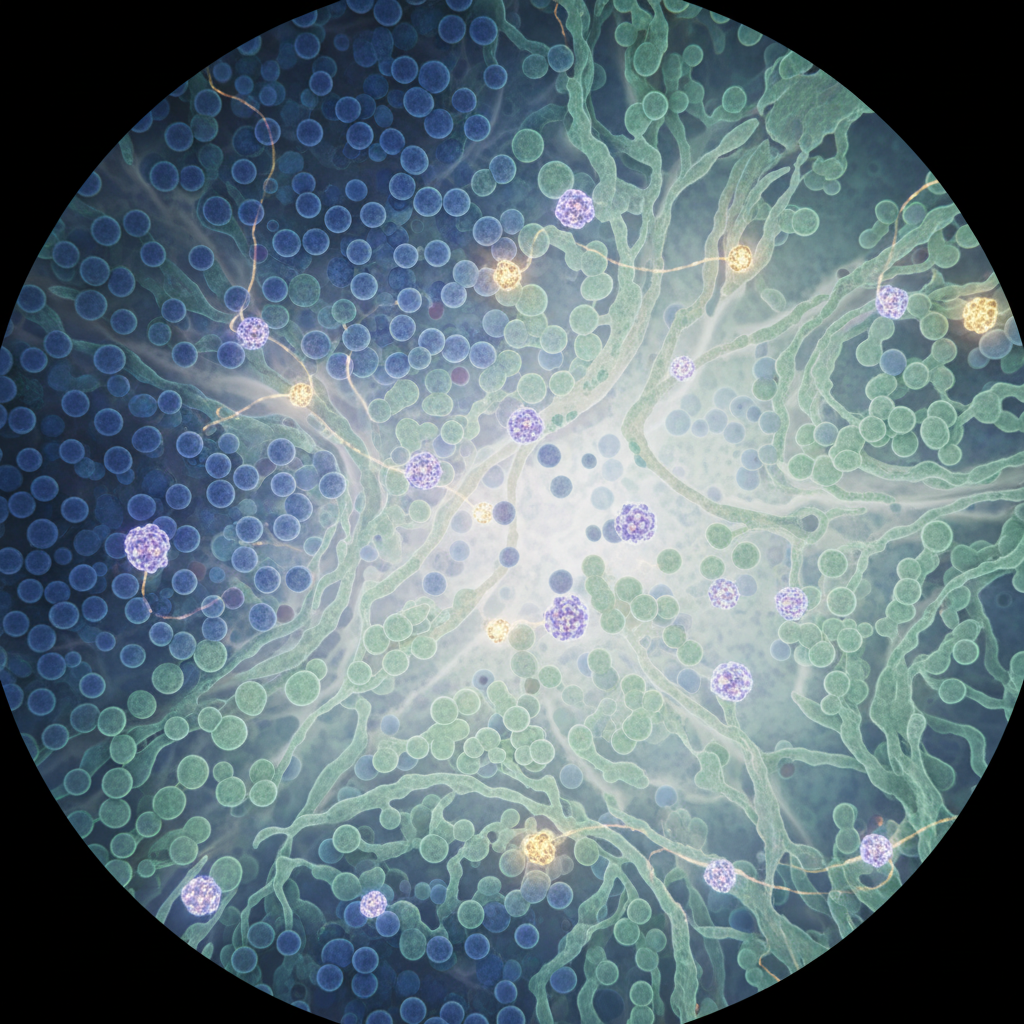
Dive into the science behind Thymalin and Thymosin Alpha-1, two promising peptides in the fight against immune ageing and age-related decline.
# Thymalin and Thymosin Alpha-1: Key Peptides in Combating Immune Ageing
As we age, our immune system undergoes a process known as immunosenescence, a complex remodelling characterised by a decline in its overall effectiveness. This age-related immune dysfunction contributes significantly to increased susceptibility to infections, reduced vaccine efficacy, heightened cancer risk, and a chronic low-grade inflammatory state often termed 'inflammaging'. For those invested in extending their healthspan, understanding and mitigating immunosenescence is paramount. This comprehensive guide delves into two influential peptides, Thymalin and Thymosin Alpha-1 (TA-1), exploring their mechanisms, research-backed benefits, and potential roles in combating immune ageing.
The thymus, a primary lymphoid organ, plays a critical role in the development and maturation of T-lymphocytes – the cornerstone of adaptive immunity. However, the thymus begins to involute, or shrink, after puberty, with its functional capacity significantly diminishing by mid-life. This thymic involution is a major driver of immunosenescence, leading to a reduced output of naive T-cells and an accumulation of less effective, senescent immune cells. The peptides Thymalin and TA-1 are both derived from the thymus gland and are considered thymic mimetics, meaning they mimic or enhance the natural functions of the thymus, offering a potential strategy to rejuvenate immune function.
The Intricate Dance of Immunosenescence and Its Consequences
Immunosenescence is not a simple decline but a multifaceted remodelling of both innate and adaptive immunity. On the adaptive side, key changes include a reduction in the diversity of the T-cell repertoire, a decrease in the production of new (naive) T-cells from the involuting thymus, and an accumulation of exhausted and senescent T-cells. B-cell function also suffers, leading to poorer antibody responses to new antigens, which is particularly relevant for vaccine efficacy in older adults. Innate immunity is also impacted, with NK cell activity often declining and macrophage function becoming altered.
These changes have profound clinical consequences:
* **Increased Infection Risk:** Older adults are more vulnerable to severe infections, including influenza, pneumonia, and COVID-19, often with atypical presentations and higher mortality rates. * **Reduced Vaccine Efficacy:** The immune system's diminished capacity to mount robust responses means vaccines are often less effective in the elderly, necessitating higher doses or more frequent boosters. * **Increased Cancer Incidence:** A less vigilant immune system is less effective at detecting and eliminating nascent cancer cells, contributing to the higher cancer rates observed with advancing age. * **Chronic Inflammation ('Inflammaging'):** An unresolved low-grade systemic inflammation, characterised by elevated pro-inflammatory cytokines, is a hallmark of ageing. This 'inflammaging' is implicated in numerous age-related pathologies, including cardiovascular disease, neurodegeneration, and metabolic dysfunction. For more on managing systemic inflammation, consider exploring strategies like berberine or omega-3 supplementation.
Understanding these ramifications underscores the urgency of interventions that can support or restore immune competence in later life. This is precisely where thymic peptides like Thymalin and TA-1 offer a promising avenue for research and therapeutic application.
Thymalin: A Bioregulator Peptide from the Thymus
Thymalin, a polypeptide complex isolated from the calf thymus, is a well-studied bioregulator peptide that has been primarily investigated in Eastern European and Russian scientific communities for decades. It is not a single peptide but a mixture of low molecular weight peptides, with its primary active component often cited as the tripeptide Lys-Glu-Asp (KED). Thymalin's mechanism of action is multifaceted, primarily aimed at restoring and optimising T-cell immunity.
Its key immunological effects include:
* **Enhancing T-Cell Maturation:** Thymalin stimulates the differentiation and maturation of T-lymphocytes, particularly those originating from the thymus. This can help replenish the pool of naive T-cells, which are crucial for responding to new pathogens. * **Modulating T-Cell Subpopulations:** It influences the balance of T-cell subsets, promoting a more balanced immune response. This can include increasing CD4+ helper T-cells and CD8+ cytotoxic T-cells, both vital for effective adaptive immunity. * **Cytokine Regulation:** Thymalin has been shown to normalise the production of various cytokines, including interferons, interleukins, and tumour necrosis factor-alpha. This immunomodulatory effect is crucial for dampening excessive inflammation while boosting protective immune responses, thereby combating aspects of 'inflammaging'. * **Stimulating Phagocytosis:** Beyond T-cells, Thymalin can enhance the phagocytic activity of macrophages and neutrophils, improving the innate immune system's ability to clear pathogens and cellular debris.
Research on Thymalin has indicated its potential in various clinical settings, particularly in conditions associated with immune deficiency. Studies have explored its use in chronic inflammatory diseases, infectious diseases, and in enhancing the immune response in immunocompromised individuals. For example, some human trials have reported improved immune parameters and reduced infection rates in elderly subjects receiving Thymalin. A notable study demonstrated that long-term Thymalin administration in older adults led to a significant reduction in mortality rates over 15 years, suggesting a profound impact on overall health and longevity. For more on peptides and their diverse applications, explore our dedicated section.
Thymosin Alpha-1: The Immunomodulator with Broad Appeal
Thymosin Alpha-1 (TA-1), also known by its brand name Zadaxin, is a synthetic 28-amino acid peptide originally isolated from the bovine thymus. Unlike Thymalin, TA-1 has gained more widespread recognition and clinical application in Western medicine, particularly in oncology and infectious disease management. Its mechanisms are also centred on enhancing and restoring immune function, with a particular emphasis on T-cell activation and cytokine regulation.
The primary immunological actions of TA-1 include:
* **Promoting T-Cell Maturation and Differentiation:** Similar to Thymalin, TA-1 plays a vital role in stimulating the maturation and differentiation of T-cells, increasing their functional capacity and diversity. It can specifically enhance the development of helper T-cells and cytotoxic T-cells. * **Enhancing Cytokine Production:** TA-1 is a potent inducer of several key cytokines, including interferons (IFN-α, IFN-γ) and interleukins (IL-2, IL-10). These cytokines are crucial for orchestrating robust antiviral and anti-tumour immune responses. * **Augmenting Immune Cell Function:** It enhances the activity of various immune cells, including natural killer (NK) cells, dendritic cells, and B-cells, thereby strengthening both innate and adaptive immunity. * **Anti-inflammatory Effects:** While boosting pro-inflammatory cytokines when needed, TA-1 also has immunomodulatory effects that can help resolve inflammation, particularly through its influence on regulatory T-cells and IL-10 production, making it a nuanced player in inflammation management.
TA-1 has been approved in over 30 countries for various indications, including chronic hepatitis B and C, certain cancers (e.g., melanoma, lung cancer), and as an immune stimulant in immunocompromised patients. During the COVID-19 pandemic, TA-1 garnered significant attention for its potential to modulate the immune response, with some studies suggesting it could improve clinical outcomes in severe cases by preventing cytokine storms and restoring T-cell function. These findings highlight its potent immunomodulatory capacity, offering a ray of hope in managing acute and chronic immune challenges. Further information on other well-researched peptides such as BPC-157 or GHK-Cu can be found on our site.
Comparing Thymalin and Thymosin Alpha-1 in Immune Ageing
While both Thymalin and TA-1 originate from the thymus and share the overarching goal of enhancing immune function, there are nuanced differences in their composition, research focus, and typical applications. Thymalin, a complex of peptides, has a more extensive history of use in post-Soviet countries, often employed for general immune support and anti-ageing protocols. Its long-term mortality reduction data in the elderly is particularly compelling, suggesting a fundamental impact on systemic resilience and longevity. This aligns well with the broader goals of healthspan extension, potentially by mitigating the overall impact of immunosenescence.
Thymosin Alpha-1, on the other hand, a single synthetic peptide, has been more extensively studied in Western clinical trials for specific disease indications. Its robust antiviral and anti-tumour properties have made it a preferred agent in targeted therapeutic strategies, particularly where a clear immunodeficiency or an active infection/cancer is present. Its ability to fine-tune the cytokine response makes it valuable in scenarios requiring precise immune modulation, such as preventing hyperinflammation during viral infections.
In the context of immune ageing, both peptides offer distinct advantages:
* **Thymalin:** May be particularly beneficial for general immune system revitalisation and long-term immunosenescence mitigation, potentially reducing all-cause mortality by bolstering overall immune competence. Its broader, more systemic impact on the immune system may make it suitable for proactive anti-ageing strategies. * **Thymosin Alpha-1:** Could be more targeted for addressing specific age-related immune challenges, such as improving vaccine response in older adults, supporting recovery from severe infections, or as an adjunct in cancer prevention/treatment strategies. Its precise mechanism of action on T-cell activation and cytokine modulation makes it a powerful tool for specific immunological deficits. Research into thymalin continues to expand our understanding of its unique benefits.
Both peptides represent a significant leap forward in our capacity to influence the ageing immune system. While direct head-to-head comparative studies are scarce, the complementary nature of their actions suggests that they might even be synergistic when used appropriately under medical guidance.
Future Directions and Clinical Considerations
The field of thymic peptide research is continually evolving. Scientists are exploring novel formulations, delivery methods, and combination therapies to maximise the benefits of Thymalin and TA-1. The advent of advanced immunological assays allows for more precise monitoring of immune parameters, enabling personalised approaches to immunomodulation. For individuals interested in leveraging such insights, services like biological age testing and biomarker insights can provide valuable data.
However, it is crucial to approach the use of these peptides with a clear understanding of their therapeutic context. While research is promising, especially for indications related to immune ageing, self-administration without professional medical guidance is not recommended. Peptides are potent biological modulators and can have significant effects on physiological systems. Proper dosing, administration routes, and monitoring of immune markers are essential to ensure efficacy and safety. Any discussion of peptides, drugs or supplements should be accompanied by a comprehensive understanding of potential risks and benefits. Please consult /legal/disclaimer for important safety information.
The integration of thymic peptides into comprehensive longevity protocols will likely involve a multi-pronged approach, potentially alongside other proven healthspan strategies such as resistance training, zone 2 cardio, and targeted supplementation like NMN or Urolithin A. The goal is not merely to extend lifespan but to enhance the quality of those additional years, ensuring a robust and resilient immune system capable of warding off age-related diseases and maintaining vitality.
The ongoing research into these peptides is exciting. As we uncover more about the intricate mechanisms of immunosenescence, agents like Thymalin and TA-1 will undoubtedly play an increasingly important role in our arsenal against age-related decline. Their ability to nudge the immune system back towards a more youthful, responsive state holds immense promise for healthier ageing.
Bottom line
Thymalin and Thymosin Alpha-1 stand out as crucial peptides in the burgeoning field of immune ageing. By mimicking and enhancing thymic function, they offer compelling strategies to combat immunosenescence, a primary driver of age-related decline. While Thymalin has a strong track record in broad immune support and long-term mortality reduction, TA-1 excels in targeted immunomodulation for specific infections and cancers.
Both peptides underscore the potential of bioregulators to profoundly influence healthspan by restoring a more robust and resilient immune system. As research continues to mature, these thymic powerhouses are poised to become indispensable tools in our quest for a longer, healthier life, but their use should always be guided by qualified medical professionals.